


What is Algae DHA Oil?
Algae DHA Oil is docosahexaenoic acid (DHA) from a plant-based source, which is naturally synthesized by controlled fermentation and cultivation of specific strains of marine microalgae. It is derived directly from the source in the marine food chain and is a sustainable, vegetarian, and environmentally friendly ingredient for modern product development, compared with conventional fish DHA ingredients. It is usually extracted, purified, concentrated, and stabilized following well-controlled quality management processes to guarantee a stable content, control of oxidation, and product performance. It is formulated easily and cleanly and is used by manufacturers in a wide range of industries such as dietary supplements, functional food, beverages, infant nutrition, and personal care. It comes in a variety of contents and oil forms, including softgels, capsules, gummies, powdered nutritional supplements, fortified dairy products, nutrition bars, drinks, and special nutritional products. It benefits include consistency, traceability, batch-to-batch consistency, international quality standards, international food safety standards, non-GMO options, and reliable supply chain management.

COA
| Item | Specification | Result |
| Product Name | Algae DHA Oil | Conforms |
| Appearance | Light yellow to golden clear oil, no visible impurities | Conforms |
| Odor | Mild, characteristic marine-like odor | Conforms |
| Production Method | Controlled fermentation, extraction, purification | Conforms |
| DHA Content | ≥ 40% | Conforms |
| EPA Content | ≤ 3.0% | Conforms |
| Acid Value | ≤ 1.0 mg KOH/g | Conforms |
| Peroxide Value | ≤ 5.0 meq O₂/kg | Conforms |
| Moisture & Volatile Matter | ≤ 0.1% | Conforms |
| Insoluble Impurities | ≤ 0.2% | Conforms |
| Specific Gravity (25°C) | 0.90–0.95 | Conforms |
| Heavy Metals (Total as Pb) | ≤ 0.1 mg/kg | Conforms |
| Lead (Pb) | ≤ 0.05 mg/kg | Conforms |
| Arsenic (As) | ≤ 0.1 mg/kg | Conforms |
| Mercury (Hg) | ≤ 0.01 mg/kg | Conforms |
| Cadmium (Cd) | ≤ 0.05 mg/kg | Conforms |
| Residual Solvents | Not detected / compliant with standards | Conforms |
| Total Plate Count | ≤ 1000 CFU/g | Conforms |
| Yeast & Mold | ≤ 100 CFU/g | Conforms |
| E. coli | Negative | Conforms |
| Salmonella | Negative | Conforms |
| Staphylococcus aureus | Negative | Conforms |
Looking for bulk supply or product details?
Request A Free Sample or Bulk Quote to get COA, pricing, and fast delivery options.
Market Trends
The growing awareness of origin, environmental impacts, and production processes, as well as the desire to replace traditional marine sources of omega-3, has opened up great potential for algae-derived DHA. In addition, the growing popularity of vegan, vegetarian, flexitarian, and clean-label products has helped increase the use of DHA Oil in dietary supplements, functional foods, beverages, infant nutrition products, and specialty nutrition formulations. Meanwhile, regulators are creating more support for sustainable food innovation and business sustainability efforts, which pave the way for businesses to turn towards renewable and traceable ingredients in their product offers. The development of microalgae culture technologies, fermentation in algae, and extraction technologies has also made it production more efficient, higher quality, and more stable, which makes it more appealing for large-scale commercial applications. In international markets, especially those in North America, Europe, and Asia-Pacific, manufacturers are capitalizing on consumers' demand for natural, non-animal-sourced ingredients and adding more products to their lines that use plant-based sources of omega-3. This makes it an important strategic component of a larger push for sustainable nutrition, responsible sourcing, and next-generation food and supplement innovation and innovation, placing it among the biggest growth areas in the global ingredients industry.
Why is Algae DHA Oil Popular?
1. Recognized as a Direct Source of DHA
It comes from the marine algae, which are the primary source of DHA in the ocean ecosystem. It is scientifically proven to have its origins and is produced using scientific methods that are reliable and trusted by manufacturers who are looking for high-quality omega-3 solutions.
2. Growing Demand for Plant-Based Ingredients
As more and more people have been transitioning to a vegan, vegetarian, or flexitarian diet, there has been an escalation of the demand for non-animal ingredients. It is a plant-based source that is ideal for shifting consumer trends and product positioning.
3. Supports Clean Label Trends
The consumers are becoming more and more conscious about the products that are made with simple ingredients, easy to understand, and naturally sourced ingredients. It is easily incorporated into clean-label products, aiding brands in improving transparency and ingredient appeal.
4. Sustainable and Traceable Sourcing
It is obtained from controlled cultivation and fermentation technologies and is a renewable and environmentally friendly source of Omega-3s. This sustainability benefit is appreciated by brands that are responsible for sourcing and supply stability.
5. Versatile for Product Development
It can be added to dietary supplements, functional foods, drinks, infant nutrition, gummies, softgels, and powdered supplements. It has a wide application range and can be used in various product categories.
6. Consistent Quality for Manufacturers
New production technologies allow for the consistent delivery of standardized concentrations, excellent batch-to-batch consistency, and reliable global supply. It is a promising raw material and production method for manufacturers due to its qualities.
7. Strong Alignment with Future Market Trends
Algae Oil is increasingly playing a vital role in the innovation of next-generation nutrition and functional food products, providing a long-term opportunity throughout global markets, where there is an increasing demand for natural, sustainable, and premium ingredients.

Product Direction
1. Omega-3 Dietary Supplement Products
Algae DHA Oil is available in softgels, capsules, gummies, chewable tablets, and liquid form. It is vegetal, of standardized quality, and thus is popular for high-quality marketable omega-3 products.
2. Functional Beverages and Nutritional Drinks
Manufacturers can use it in plant-based beverages, ready-to-drink nutrition products, and meal replacement shakes, all of which will help them develop innovative products with sustainable positioning of their ingredients.
3. Powdered Nutrition and Functional Foods
It can be incorporated into protein powders, nutritional blends, instant drink powders, nutrition bars, cereals, and a variety of functional foods using microencapsulation technology.
4. Infant and Specialized Nutrition Products
It is heavily used in special nutritional oil formulations where specifications, source reliability, and quality are important.
5. Plant-Based and Clean-Label Innovations
With increasing consumer demand for vegan, vegetarian, and clean-label products, it offers a non-animal source of DHA oil for manufacturers to keep up with current trends in product development.
6. Cosmetic and Personal Care Formulations
With its marine origin and plant-based ingredient profile, it can be added to other personal care formulations such as beauty oils, skin care products, and others.
7. Customized Multi-Ingredient Solutions
It can be formulated into a variety of products, including algae-based supplements with vitamins, minerals, proteins, and botanical extracts, to create differentiated products that address market needs and evolving consumer preferences.
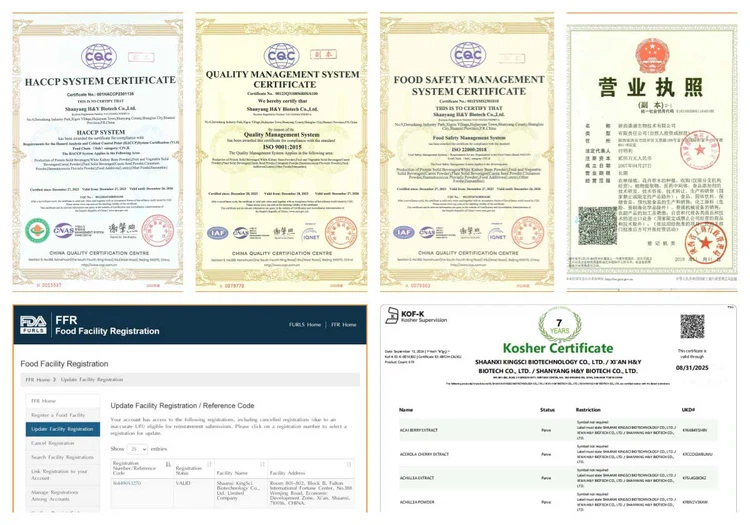
Certifications
American warehouse

Exhibitions

Hot Tags: algae dha oil, China, manufacturers, suppliers, factory, wholesale, price, pricelist, quotation, bulk, in stock, KOSHER, ISO, HACCP


