



What is Bilberry extract Anthocyanins?
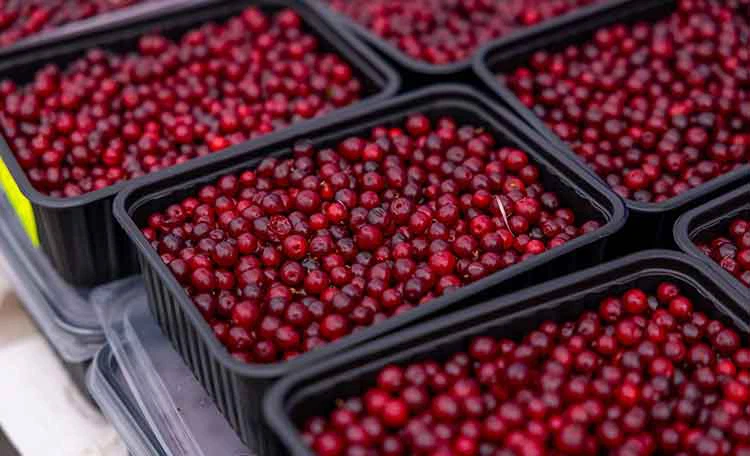
Bilberry extract Anthocyanins is produced from the mature berries of Vaccinium myrtillus, and it distinguishes itself for its high polyphenol content, mainly anthocyanins, which provide it with its dark purple color and increase its capacity for good health. Prepared into a formulation that retains the entire spectrum of fruit-derived constituents, this extract confers antioxidant protection and microvascular health, and ocular comfort to formulations related to health. Ict is known for the fact that it contains more of the fruit's bioactive components – flavonoids and organic acids and so contributes to the use of the product in both The multi-functional application is continued with product lines for dietary supplements, functional drinks formulas and skincare products, which fill the need for open, plant-based components with a proven track record and scientific proof at their back.
COA
| Item | Specification | Result | Method |
| Appearance | Dark purple fine powder | Conforms | Visual |
| Odor & Taste | Characteristic | Conforms | Organoleptic |
| Identification | Positive | Conforms | TLC |
| Assay (Anthocyanins) | ≥ 25.0% | 25.36% | UV-VIS |
| Loss on Drying | ≤ 5.0% | 3.21% | USP <731> |
| Ash | ≤ 5.0% | 2.18% | USP <281> |
| Sieve Analysis | 100% pass 80 mesh | Conforms | USP <786> |
| Microbiological Tests | |||
| Total Plate Count | ≤ 1,000 CFU/g | < 100 CFU/g | USP <61> |
| Yeast & Mold | ≤ 100 CFU/g | < 10 CFU/g | USP <61> |
| E. coli | Negative | Negative | USP <62> |
| Salmonella | Negative | Negative | USP <62> |
| Staphylococcus aureus | Negative | Negative | USP <62> |
| Heavy Metals | |||
| Lead (Pb) | ≤ 3.0 mg/kg | < 0.1 mg/kg | ICP-MS |
| Arsenic (As) | ≤ 2.0 mg/kg | < 0.1 mg/kg | ICP-MS |
| Cadmium (Cd) | ≤ 1.0 mg/kg | < 0.05 mg/kg | ICP-MS |
| Mercury (Hg) | ≤ 0.1 mg/kg | < 0.01 mg/kg | ICP-MS |
Are you interested in natural pigment anthocyanins? Welcome to leave a message on this site, or contact donna@kingsci.com directly to get free samples and more professional support!
Source
Extract Bilberry is primarily obtained from Vaccinium myrtillus berries grown in a controlled environment in Northern and Eastern Europe. Moderate climates and well-drained acidic soils were characteristic of these latitudes, which enhanced bilberry growth with high anthocyanin content and other polyphenolic compounds. Wild supplies of bilberries used to be the main channel of supply, but modern-day production targets cultivated fields to assure regular stock, high-quality requirements, and compliance with international standards in both the food and nutraceutical industries. To retain their properties of bioactivity, the cultivated bilberries are picked selectively and at a perfect ripeness, processed near where they are grown to tap their use for large-scale extraction for health applications.
Anthocyanins VS Astaxanthin
Anthocyanins and astaxanthin are both naturally derived pigments that are strongly associated with potent antioxidant capabilities, although there is a vast difference in their chemical construction, where found, and downstream biological functions. Water-soluble anthocyanins are particularly abundant in berries, grapes, and purple-colored vegetables and fruits, with vascular health, eye comfort, and overall oxidative balance carrying great importance. Unlike anthocyanins that are water-dissolvable, astaxanthin is fat-soluble and mainly extracted from microalgae (Haematococcus pluvialis included), as well as some seafood, in the form of water-dust particles; its primary factor is in cell membranes and rich in lip Anthocyanins manifest themselves more in formulas for treating microcirculatory disorders and to alleviate visual discomfort, while astaxanthin is more associated with products intended to ensure skin wellbeing, improve muscular performance, and prevent cells from oxidative insults. These antioxidants vary in their solubility and biological function, supporting their effectiveness as options for a range of formulation objectives and targeted health.

Commonly Combined Ingredients with Anthocyanins
1. Lutein
Lutein, often associated with anthocyanins in vision-support supplements, plays a role in supporting eye strain and macular health. Coordinated, anthocyanins, and lutein strengthen overall assistance to ocular health.
2. Vitamin C
Vitamin C tends to be combined with anthocyanins in order to improve their stability and improve their absorption in the body. As the production of collagen and vascular integrity is improved, this pairing is commonly used for both skin care and circulatory health products.
3. Ginkgo Biloba Extract
In cognitive and circulatory health formulations, the terpene lactones of Ginkgo Biloba improve the antioxidant characteristics of anthocyanins, particularly boosting mental acuity and circulation.
4. Zinc
Thanks to its crucial role in enzyme-catalysed reactions and in cellular defences, zinc is often supplemented in formulations for immune support and eye health, together with anthocyanins in order to balance the structure and provide the required micro-elemental support.
5. Omega-3 Fatty Acids
While omega-3s have distinct chemical compositions, at times they can be combined with Anthocyanins Powder in softgel or complex delivery systems to deliver all-around needs for cardiovascular and neurological well-being.
6. Coenzyme Q10 (CoQ10)
Some antioxidant formulations introduce the combination of CoQ10 and anthocyanins for an improved mitochondrial (and cellular) energy, especially in an active lifestyle or in anti-fatigue products.
Certifications
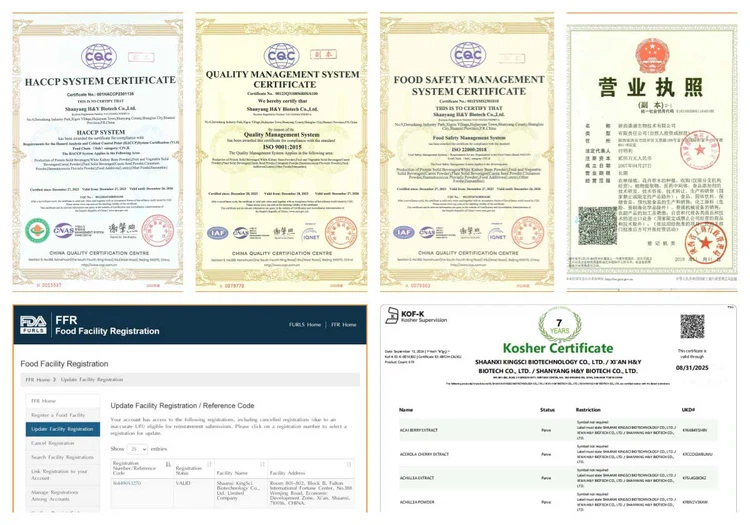
American warehouse

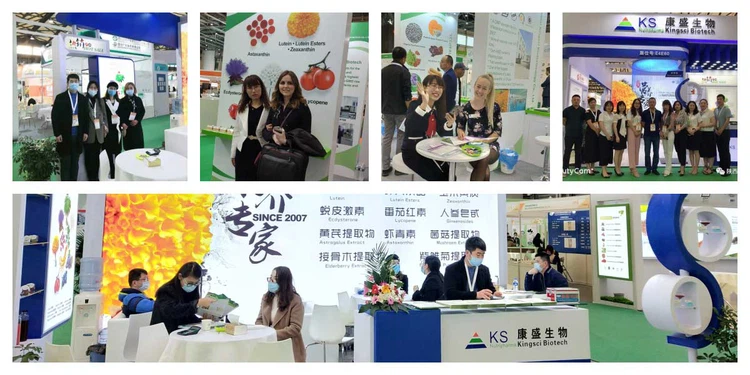
Exhibitions
Hot Tags: bilberry extract anthocyanins, China, manufacturers, suppliers, factory, wholesale, price, pricelist, quotation, bulk, in stock, KOSHER, ISO, HACCP


