


What is Saffron Flower Extract?
Saffron Flower Extract is a scientifically purified product of Crocus sativus petals and stigmas that was obtained by specific extraction procedures, which enable to retention of the typical color compounds, aroma constituents, and naturally occurring antioxidant molecules. The extract is designed which feature a stable sensory profile, reliability in the quality of the extract, and a wide range of formulation compatibility, making it an ideal ingredient in the development of high-end food, drink, nutraceutical, and cosmetic products. Manufacturers have favored it since it provides a standardized source of saffron-related pigments, including crocins and volatile compounds to provide its characteristic smell, which enables the brand to maintain consistency across batches of production on a large scale. Extract is available either in powder or liquid form, each of which is intended to suit a variety of processing lines, solubility needs, and shelf-life requirements. The stability of color and aroma of the extract also renders it applicable in applications where there is a need to have coloring or sensory improvement of products without necessarily utilizing synthetics. In general, it is a functional, natural, and specification-based raw material that allows differentiating products and addressing the technical and regulatory requirements of businesses.

COA
| Test Item | Specification | Method | Result |
| Appearance | Fine powder, free-flowing | Visual inspection | Conforms |
| Color | Orange to reddish-orange | Visual / Colorimeter | Conforms |
| Odor | Characteristic, floral | Organoleptic | Conforms |
| Taste | Mild floral | Organoleptic | Conforms |
| Crocin (UV) | ≥ 1% | UV Spectrophotometry | 1.05% |
| Picrocrocin | ≥ 0.5% | HPLC | 0.60% |
| Safranal | ≥ 0.1% | HPLC / GC | 0.12% |
| Moisture | ≤ 8% | Loss on drying | 6.50% |
| Ash | ≤ 6% | AOAC 923.03 | 5.20% |
| Solubility | Soluble in water | Visual / Solubility test | Conforms |
| Particle Size | 100% through 80 mesh | Sieve analysis | Conforms |
| pH (1% aqueous solution) | 4.5–6.5 | pH meter | 5.2 |
| Total Plate Count | ≤ 1000 CFU/g | AOAC 990.12 | 120 CFU/g |
| Yeast & Mold | ≤ 100 CFU/g | AOAC 997.02 | 15 CFU/g |
| E. coli | Negative | AOAC 999.03 | Negative |
| Salmonella | Negative | AOAC 2003.09 | Negative |
| Lead (Pb) | ≤ 2 ppm | ICP-MS / AAS | 0.8 ppm |
| Arsenic (As) | ≤ 1 ppm | ICP-MS / AAS | 0.3 ppm |
| Cadmium (Cd) | ≤ 1 ppm | ICP-MS / AAS | 0.2 ppm |
| Mercury (Hg) | ≤ 0.1 ppm | ICP-MS / AAS | <0.05 ppm |
Are you interested in our products? Just leave a message on this page or Contact Us Directly to get free samples and more professional support!
Dosage
The recommended concentration of Saffron Extract in the formulations is usually based on the levels of the main standardized components of the product- crocins and other saffron-derived pigments- and on the purpose the ingredient will serve in the end product. In the case of standardized extracts, in a standardized range (5-40 mg of extract per serving equivalent), manufacturers tend to operate around a wider range, typically between generic commercial specifications, but higher or lower addition levels will be chosen based on product positioning, flavor, or color intensity needs, and use of the extract in its appropriate matrix. Due to the differences in regulatory thresholds and permissible use categories within different regions, the entire dosage ruling should be harmonized with the current local regulations, product-type requirements, and industry instructions within the market of interest. Common tests conducted by formulators include internal stability and compatibility tests to optimize the final inclusion rate to the extent that the extract will provide its desired contribution to the product, both with regard to functionality and sensory profile, as well as being within the legal limit.
Application
1. Food & Beverage Manufacturing
It finds application in specialty foods, eco-premium drinks, and coloring systems where brands would need the natural shade of color and typical aroma. It is commonly added to syrups, confectionery, dairy-based products, and upscale beverage ideas to add visual appeal and develop a unique flavor profile.
2. Nutritional Supplement Production
The extract is a standardized botanical ingredient used in the supplement industry, either in the form of a capsule or as a powder, or as a functional blend. This is normally added due to formulation needs, positioning of labels, and the need to have consistent levels of active components that are tested through analytical procedures.
3. Cosmetics & Personal Care
Manufacturers of personal care products apply Crocus Sativus Extract in serums, emulsions, cleansers, and high-end skincare concepts because of the coloring possibilities that the extract has and the compatibility with plant-based cosmetic formulations. It helps to differentiate the product with a botanical identity and a familiar sensory component.
4. Natural Colorants & Ingredient Systems
The extract is used by ingredient solution suppliers as a component of natural pigmentation or aroma-enhancing complexes for clients wishing to use plant-based substitutes to synthetic additives. It is also an ingredient with a high color intensity and stability properties, which are appropriate in clean-label product lines.
5. Specialty and Artisanal Products
The extract is used by boutique manufacturers of herbal infusions, craft beverages, and limited-run formulations to obtain distinctive sensory profiles, which also ensures consistency between batches with their offering of small-volume or high-end products.

Safety
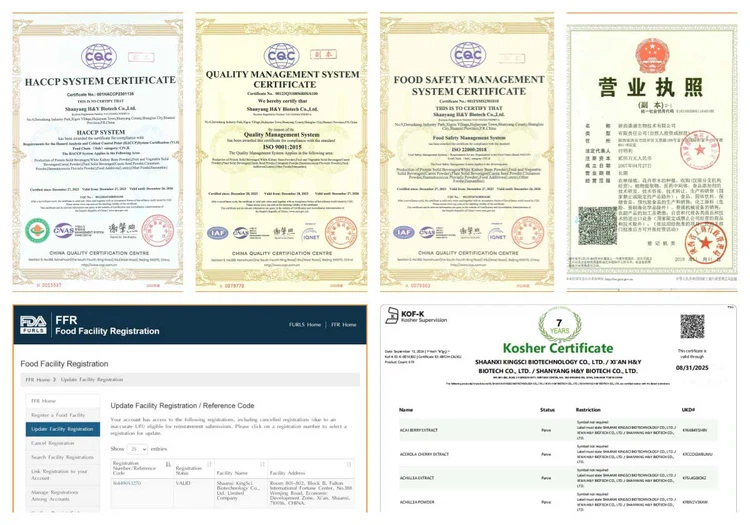
Pure Saffron Extract is usually considered a safe and well-characterised botanical constituent. Toxicological tests are usually performed on commercial materials to ensure that they have the right safety margins with whatever they are supposed to be used in industry, and reputable suppliers keep their cGMP, ISO, and other international standards to guarantee constant purity, traceability, and production hygiene. Routine analytical screening is done to ensure the removal of prevalent contaminants and to ensure a consistent level of important constituents, which facilitate consistent performance in large-scale preparations. The extract itself can also be regarded as low-allergenic when it is processed in clean conditions, which is what allows using it in a large variety of product categories where it is necessary to reduce the number of possible sensitising factors. To the clients, all these measures offer a solid base of confidence to incorporate Saffron Flower Extract into controlled production processes, coupled with the specifications and paperwork standards in the region.
Certifications
American warehouse

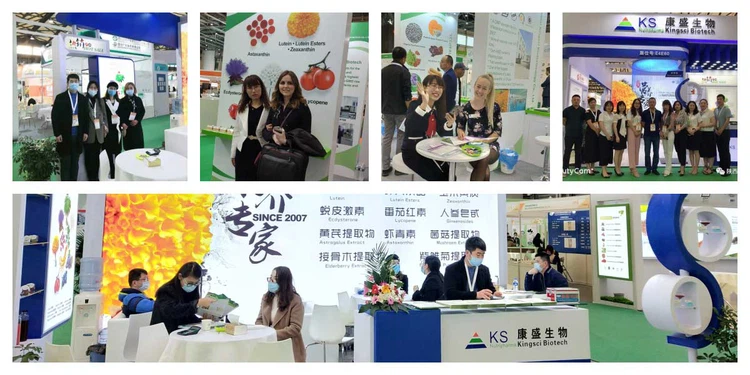
Exhibitions
Hot Tags: saffron flower extract, China, manufacturers, suppliers, factory, wholesale, price, pricelist, quotation, bulk, in stock, KOSHER, ISO, HACCP


