


What is Saffron Yellow Color Powder?
A Botanical Yellow Color Designed for Formulation
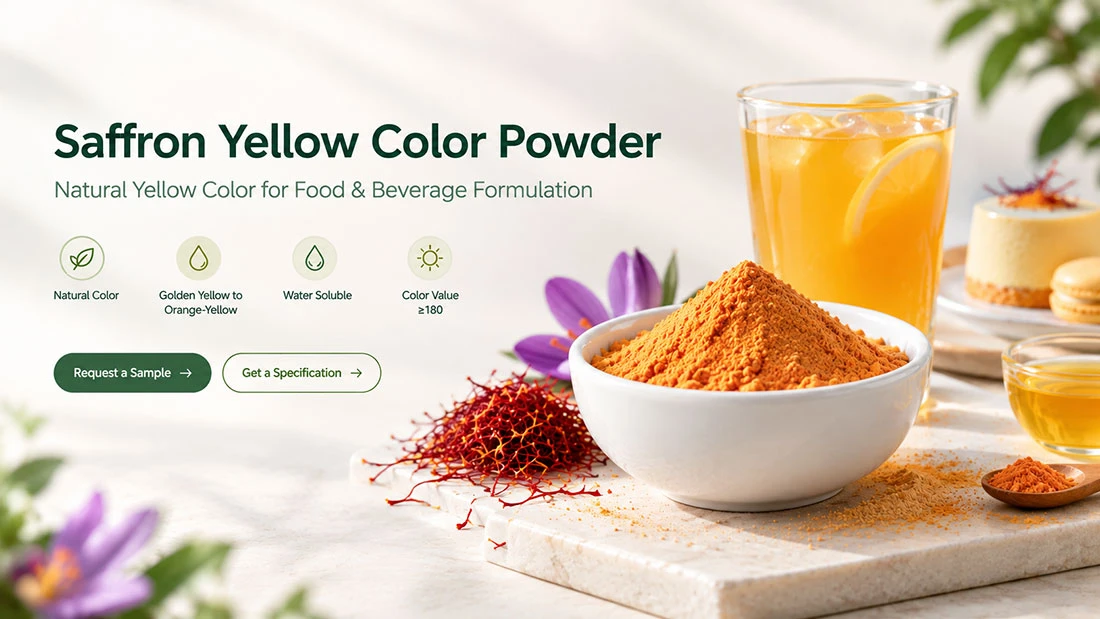
Saffron Yellow Color Powder is a natural, plant-based colourant that is used as a golden yellow to orange yellow colourant in water-based food, beverage, and other formulation systems.
This product is not a traditional saffron extract that is bought for its botanical profile, but rather is marketed as a product for its colour attributes. It is important to formulators because of its measurable strength, aqueous solubility, shade development, and powder handling and batch-to-batch consistency.
This powder form enables the manufacturer to add the colour to their dry mixes, premixes, drink mixes, pre-mix ingredients, confectionery systems, and other production processes where natural colouring is needed, and in a controlled manner.
Technical Parameters
|
Parameter |
Specification |
|
Product Name |
Saffron Yellow Color Powder |
|
Product Type |
Natural Color |
|
Botanical Source |
Crocus sativus L. |
|
Part Used |
Stigma |
|
Color Shade |
Golden Yellow to Orange-Yellow |
|
Form |
Fine Powder |
|
Coloring Components |
Crocin & Crocetin |
|
Solubility |
Soluble in Water |
|
Color Value |
≥180 (E₁%₁cm, 440 nm) |
|
Crocin Content |
≥2.0% |
|
Moisture |
≤10% |
|
Ash |
≤8% |
|
pH (1% Aqueous Solution) |
5.0–7.0 |
|
Bulk Density |
0.40–0.60 g/mL |
|
Particle Size |
80% Pass 60 Mesh |
|
Sample |
10–20 g |
|
Storage |
Cool, dry place; protected from light |
|
USA Warehouse |
Available |
Color Performance at the Formulation Stage
When assessing the performance of a natural colour, it should be judged based on its performance in the final formulation, rather than based on the raw powder.
Saffron Yellow offers some formulation properties which are useful in a naturally coloured formulation:
Stable, warm, golden yellow to orange yellow color for high quality warm-looking profiles
In aqueous formulation systems, a format that is water-soluble.
Color value that is not as variable as the other color values.
Can be conveniently weighed, blended, and dosed as a fine powder.
Little inclusion potential (when a concentrated colour effect is desired).
Can be used in dry and liquid formulation processes
With clean-label color strategies, consumers want to know that the color dyes are of natural botanical origin.
The final colour will vary by dosage, formulation matrix, pH, processing conditions, and other formulation components. It is suggested to carry out pilot testing prior to commercial production.
From Shade Selection to Finished Product
Manufacturers make their decision on choosing a natural yellow colour based primarily on formulation.
1. Define the Target Shade
Begin with the look you want in the finished product. Saffron Powder Yellow can be used when the target transitions from a soft yellow towards golden-yellow or orange-yellow.
2. Match Color Strength
The powder weight is not the best indicator; use value. The inclusion level can vary depending on the formulation system used and will be determined by the visual effect desired.
3. Check the Formulation Matrix
Due to the water solubility, it is especially well suited for aqueous systems and dry formulations which require reconstitution. Even if the compatibility of the color is checked in the whole ingredient system, it should still be analyzed.
4. Test Processing Conditions
Natural color performance can be affected by heat exposure, pH, oxygen, light, and processing time. A production trial can be used to determine the right addition point and dose.
5. Standardize the Finished Shade
Having established the desired shade, manufacturers can use the color value and finished product testing to fine-tune the shade from batch to batch.

You can contact us directly or email donna.zh@kingsci.com to obtain further information and free samples.
Where Saffron Yellow Color Powder Fits?
Beverages & Drink Bases
Ideal for powdered beverages, ready-to-drink beverages, water-based beverage concentrates, syrups, and other beverage applications that need a natural yellow to golden color.
Confectionery
Can be used as an option in gummies, hard candies, soft confectionery, fillings, and other applications where visual colour is key to product presentation.
Bakery & Food Systems
Ideal for certain bakery mixes, fillings, sauces, seasonings, prepared foods and more, where a warm natural yellow hue is desired.
Nutritional Products
The powder formulation can be added to nutritional powders, nutritional premixes, tablets, capsules and other dry ingredient systems to provide natural colour for product differentiation.
Dairy & Plant-Based Formulations
May be assessed in specific dairy, plant, and emulsified food systems for particular formulations and desired shade.
Specialty Food Formulations
Saffron Color Powder is appropriate for manufacturers who are creating naturally colored products and need to include botanical ingredients as part of the product's ingredient selection due to the need to control the visual appearance.
Why use saffron yellow color?
Manufacturing efficiency will be directly impacted by the physical format of a colour ingredient.
Easy to Dose
Dry powder can be accurately weighed for the desired formulation level.
Simple to Blend
Can be added to dry premixes and powdered ingredient systems at the earlier stages of production.
Convenient for Storage
The powder format offers ease of fit in the conventional dry-ingredient storage and handling systems compared to liquid colour preparations.
Ideal for scalability of production.
It can be used for batch blending, automated dosing, or other industrial powder handling processes.
Improved colour-input control.
Standardized color value provides a parameter for formulation teams that can be measured to control the amount of colour added to a product.
Color Stability & Processing Considerations
Always test natural colors under the conditions in which they will be used in the final product.
Saffron Yellow Color Powder is heat stable in the proper processing conditions, and P.H. of the formulation and light exposure should be taken into consideration during product development.
To retain colour, use the following:
Exclude excess exposure to high levels of light.
Choose addition point based on the processing temperature.
Test the finished product at the pH of the formulation.
Prevent long exposure to the harsh processing conditions.
Store with appropriate packaging.
Ensure colour retention by accelerated and real-time stability testing as required.
These factors become particularly significant when formulating beverages, clear or semi-clear systems, and products requiring extended shelf-life.
A Better Starting Point for Natural Yellow Color Development
Saffron Yellow Powder is recommended when it is required in a formulation that contains a yellow botanical and has measurable color strength, and it is practical to use a powder.
It has a special relevance to manufacturers wanting to avoid synthetic yellow dyes and still ensure the appearance of the finished product.
If a new formulation is being developed, Kingsci can do some testing for a sample of the formulation for shade, dosage, dispersion, processing compatibility, and finished product stability prior to bulk production.
FAQ
What color does Saffron Yellow Color Powder provide?
It will give a golden yellow to orange yellow color. This final appearance will be influenced by the dosage, formulation pH, processing conditions, and the formulation ingredient matrix.
Is Saffron Yellow Color Powder water soluble?
Yes. It is formulated as a natural colour soluble powder suitable especially for aqueous formulation systems.
What gives saffron its yellow color?
The main coloring agents that have been linked to the yellow color of saffron are crocin and its derivatives, called crocetin.
Can it be used in beverages?
Yes. Can be applied to powdered beverages, ready-to-drink, concentrates, syrups, and other beverage systems containing water.
Is the product suitable for dry premixes?
Yes. It can be added to dry formulations such as dry blends, nutritional premixes, powdered beverage bases, and other dry formulation systems due to its fine powder formulation.
How should the dosage be determined?
Dosage should be determined by formulation trials to achieve the desired shade, color value, matrix, pH, processing conditions, and local regulations that may apply.
Can I request a sample before placing a bulk order?
Yes. Kingsci will be able to supply 10-20 g of sample for formulation evaluation.
Certifications
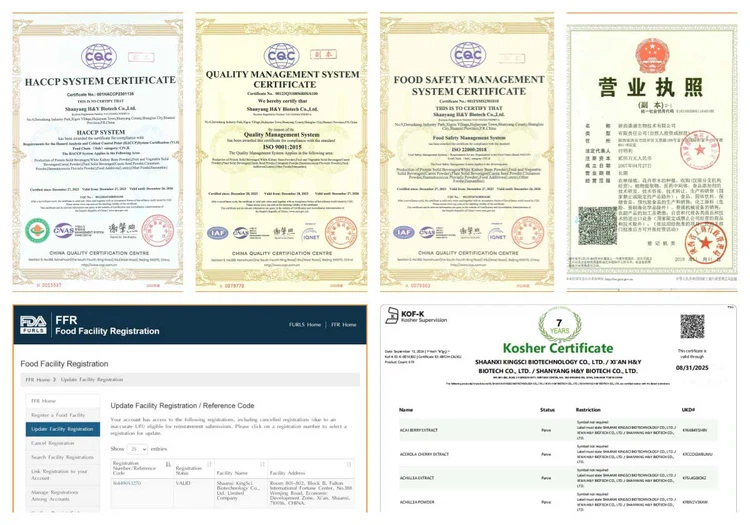
American warehouse

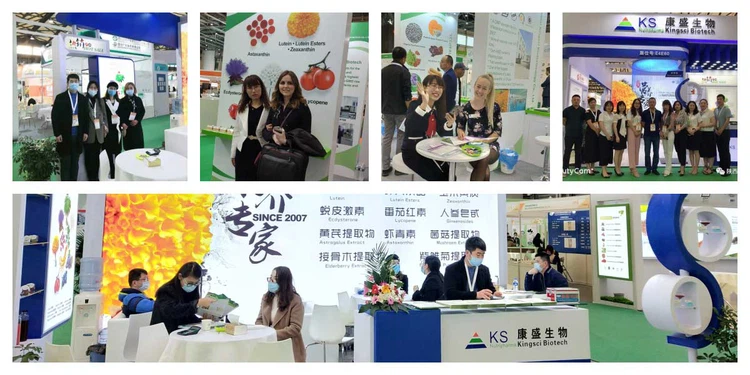
Exhibitions
Hot Tags: saffron yellow color powder, China, manufacturers, suppliers, factory, wholesale, price, pricelist, quotation, bulk, in stock, KOSHER, ISO, HACCP


