


What is Saffron Color Powder?
Saffron Color Powder is a natural food color additive that is made by extracting the stigmas of Crocus sativus L. and is standardized with respect to its typical golden-yellow to orange color, which is mainly contributed by water-soluble carotenoid compounds like crocins. Industrially, it is prized as a high level of purity, a plant-based coloring solution for manufacturers in need of a high-quality natural substitute to synthetic yellow and orange colorants. It is generally marketed in a free-flowing, concentrated powder format that is intended to be dosed, offering a lot of batch-to-batch color consistency, easy incorporation into food, beverage, nutraceutical, and specialty formulation systems in which clean-label positioning and natural origin are needed. It is particularly easy to incorporate into aqueous systems with minimal color differences, which contributes to the ease with which it can be incorporated into food and beverage products, including functional beverages, confectionery, dairy analogs, bakery fillings, seasonings, and processed foods, at normal industrial concentrations. Its color is dependable even with mild processing conditions, and professional formulators consider aspects like light exposure, pH, and thermal processing to ensure the highest level of performance under various production conditions. In comparison to bulk botanical powders, it is stronger color-wise, more soluble, and offers more predictable results, which are essential in the large-scale manufacturing and production of their own label.

COA
| Item | Specification | Result |
| Appearance | Fine free-flowing powder | Fine free-flowing powder |
| Color | Deep golden-yellow to orange | Deep golden-yellow |
| Odor | Characteristic floral aroma | Characteristic floral aroma |
| Moisture (%) | ≤ 10 | 8 |
| Solubility | Soluble/Dispersible in water | Soluble |
| pH (1% aqueous solution) | 5.0 – 7.0 | 6.2 |
| Ash (%) | ≤ 8 | 6.5 |
| Color Value (E1% 1cm, 440 nm) | ≥ 180 | 186 |
| Crocin Content | ≥ 2.0% | 2.30% |
| Bulk Density (g/mL) | 0.4 – 0.6 | 0.5 |
| Particle Size | 80% pass through 60 mesh | 85% |
| Lead (Pb) (mg/kg) | ≤ 2 | 1.2 |
| Arsenic (As) (mg/kg) | ≤ 1 | 0.6 |
| Cadmium (Cd) (mg/kg) | ≤ 1 | 0.4 |
| Mercury (Hg) (mg/kg) | ≤ 0.1 | 0.05 |
| Microbial Count – Total Plate Count (CFU/g) | ≤ 1000 | 500 |
| Yeast & Mold (CFU/g) | ≤ 100 | 50 |
Are you interested in our products? Just leave a message on this page or Contact Us Directly to get free samples and more professional support!
Market Trends
The market has been growing steadily over the past years as manufacturers of food, beverages, and specialty ingredients across the world are increasingly focusing on natural alternatives to the synthetic food colorants due to the overall consumer interest in clean-label foods and transparent sourcing. The industry trend data shows that the plant-based color solutions, such as Saffron Color Powder, are on the rise in the regions as the regulatory conditions favor the use of natural ingredients and retail businesses increasingly adopt high-quality formulation ingredients in their retail buying habits that support their tendency towards environmentally-conscious and ingredient-conscious purchasing patterns. Among the wider colorant industry, our product is held in a niche high-end market where the value of products is not just with its unique hue but also its source and natural product positioning, which allows the customer to distinguish products in the competitive above-mentioned categories of functional beverages, confectionery, and fortified foods. With portfolios being modified to suit changes in market demands, investment in supply chain traceability, scalable processing technology, and standardization of quality features of natural colorants is increasingly being implemented in commercial formulations, as they reflect macro trends of sustainability and traceability of ingredients.
Why is Saffron Color Powder Popular?
1. Scientifically Defined Natural Pigments
The coloring is based on the well-established carotenoid compounds that exist naturally, and the information is commonly reported in food and ingredient science. This unambiguous scientific foundation gives the manufacturers the hope that there will be confidence in the origin of colors and how far they will remain stable, and that there will be consistency between batches.
2. Effective Color Functionality Across Applications
It is a natural colorant that is very vivid in giving a golden-yellow to orange shade and has very good dispersibility in water-based systems. The formulators can also use it to produce target shades without relying on artificial dyes or multi-component color systems due to its functional reliability.
3. Support for Clean-Label Formulations
The color powder, which is saffron, fits the strategies of clean labeling well as it provides a plant-based coloring solution with a well-known botanical origin. This helps in making ingredient declarations easier and addresses increased market demands for natural and minimally processed color ingredients.
4. Premium Ingredient Positioning
The reputation as an expensive botanical adds to the quality of the final products. As a color ingredient, it allows manufacturers to make products different by using natural sourcing and high visual appeal instead of synthetic additives.
5. Regulatory and Market Compatibility
Essentially, the colorants of natural colorants will be obtained through edible plants, such as Saffron Flower Color, and would be largely acceptable within the existing food-grade regulatory frameworks, provided that the colorants are produced to standard specifications to facilitate wider adoption in regional and international markets.

Product Direction
1. Naturally Colored Beverages and Drink Bases
The powder of Saffron Flower Yellow is applicable in developing visually distinctive ready-to-drink beverages, concentrates, syrup, and powdered drink mixes, and brings a bright golden color that underpins clean-label and premium beverage ideology.
2. Confectionery and Sugar-Based Creations
To create warm-yellow-orange color in gummies, hard candies, jellies, coatings, and decorative inclusions, manufacturers can use it to create a natural ingredient profile that is ready to use in new confectionery lines.
3. Bakery Fillings and Processed Food Components
The product can be used in coloring fillings, creams, glazes, sauces, and the preparation of processed foods, where the distribution of colors and natural sourcing of products is critical in product differentiation.
4. Plant-Based and Alternative Formulations
It helps the innovation in plant-based foods, dairy alternatives, and specialty formulations because it is a natural color solution that fits the botanical and non-synthetic ingredient approaches.
5. Seasonings, Blends, and Culinary Preparations
It may be added to dry mixes, seasoning blends, and made into culinary bases to add visual appeal and develop high-end color indications without the use of artificial colorants.
6. Specialty Nutritional and Lifestyle Products
It is a natural visual enhancer in non-medicinal nutritional formats like gummies, powder, or functional food matrices, which is beneficial to contemporary product design and brand narrative.
Certifications
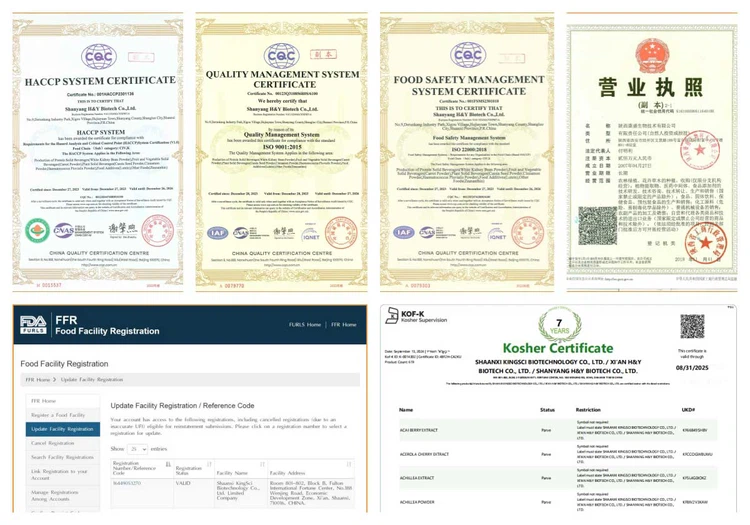
American warehouse

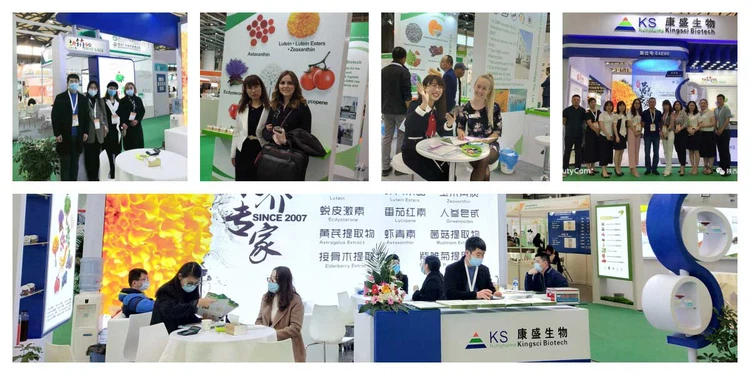
Exhibitions
Hot Tags: saffron color powder, China, manufacturers, suppliers, factory, wholesale, price, pricelist, quotation, bulk, in stock, KOSHER, ISO, HACCP


