


What is Bulk Glabridin Powder?
Bulk Glabridin Powder is a botanical ingredient that is extremely pure; it is a derivative of the root of licorice (Glycyrrhiza glabra) created by sophisticated methods of extraction and purification, usually standardized to a given glabridin level to be used in industry. The ingredient is usually produced as a fine powder of light color and uniform particle size and fine moisture content, which makes it appropriate in large-scale formulations and processing. Glabridin, a type of isoflavan, is naturally occurring in licorice root, and the various current methods are solvent extraction, purification of the resin by crystallization, and concentration of the active component, preserving the batch-to-batch consistency demanded by professional purchasers. Being a bulk raw material, it is commonly distributed among the cosmetic manufacturers, nutraceutical brands, and formulation laboratories that are looking to utilize it as a standardized botanical active in developing a product, especially in products where they are preparing finished products, including plant-derived antioxidant compounds and botanical actives. Commercially, it is usually sold in various specifications, usually between moderate and high purity grades, to suit various formulation needs, regulatory and cost models in regional markets around the world.

COA
| Item | Specification | Result | Test Method |
| Appearance | Off-white to light yellow fine powder | Light yellow powder | Visual |
| Odor | Characteristic botanical odor | Conforms | Organoleptic |
| Identification | Positive for Glabridin | Positive | HPLC |
| Glabridin Content | ≥ 40.0% | 41.27% | HPLC |
| Loss on Drying | ≤ 5.0% | 2.14% | USP <731> |
| Residue on Ignition | ≤ 1.0% | 0.36% | USP <281> |
| Particle Size | 95% pass 80 mesh | Conforms | Sieve Analysis |
| Bulk Density | 0.35–0.65 g/ml | 0.48 g/ml | USP Method |
| Total Heavy Metals | ≤ 10 ppm | 3.2 ppm | ICP-MS |
| Lead (Pb) | ≤ 2 ppm | 0.62 ppm | ICP-MS |
| Arsenic (As) | ≤ 1 ppm | 0.21 ppm | ICP-MS |
| Cadmium (Cd) | ≤ 1 ppm | 0.18 ppm | ICP-MS |
| Mercury (Hg) | ≤ 0.1 ppm | 0.03 ppm | ICP-MS |
| Total Plate Count | ≤ 1,000 CFU/g | 120 CFU/g | USP <61> |
| Yeast & Mold | ≤ 100 CFU/g | 22 CFU/g | USP <61> |
| Escherichia coli | Not detected | ND | USP <62> |
| Salmonella | Not detected | ND | USP <62> |
Where to Buy Glabridin?
Just leave a message on this page or Contact Us Directly to get free samples and more professional support!
How does Glabridin work?
The major functional effect of Glabridin Powder as a bulk powder is at the molecular level and is linked to its nature as a naturally occurring polyphenolic isoflavan, which is involved in several biochemical processes connected to oxidative balance and cellular signaling. It structurally has phenolic hydroxyl groups, which can react with reactive oxygen species (ROS), which enable it to be a stabilizing antioxidant molecule that can give up electrons and can modulate oxidative events in biological systems applied in laboratory or formulation research. Moreover, it has been proposed in biochemical models that it may alter the activity of pigment biosynthesis and lipid-linked metabolic processes by changing major regulatory proteins and transcription factors, and this is the reason why it is commonly considered in cosmetic and functional ingredient development. The compound can also affect intracellular signaling cascades, including MAPK- and NF- kB-related pathways, which also play a role in cellular redox maintenance and the molecular regulation of oxidative stress responses. The most important fact about glabridin is, to these product developers and formulation scientists, its ability to act as a stable plant-derived antioxidant active that is involved in redox modulation and enzyme regulation, within the biochemical systems, and therefore useful as a research-driven product development ingredient and ingredient innovator.
Process
1. Raw Material Selection and Preparation
The good quality Glycyrrhiza glabra roots are picked, washed out to remove any impurities, and dried by a mechanical process followed by crushing into coarse powder to enhance the surface area of extraction.
2. Solvent Extraction
Dissatisfied with other extraction methods, the powdered licorice root is dissolved in food-grade organic solvents like ethanol or ethyl acetate under controlled conditions in terms of temperature and stirring.
3. Solid–Liquid Separation
The mixture is filtered or centrifuged to eliminate plant residue to give a clarified crude extract solution.
4. Concentration of Crude Extract
The reduced-pressure vacuum evaporation equipment is used to concentrate the solvent phase and add more target compounds to it.
5. Resin or Column Purification
To selectively concentrate glabridin and eliminate undesirable pigments, sugars, and other non-target terpenes, the concentrated extract is passed through adsorption resins or chromatographic columns to concentrate it.
6. Solvent Recovery and Fraction Collection
Elution fractions that contain more glabridin are harvested, and the solvent is recaptured using industrial recycling systems to enhance efficiency and to minimize wastes.
7. Crystallization or Further Refinement
On more purified production lines, controlled crystallization or further purification of the enriched fraction is done to have standardized Glabridin Extract content.
8. Drying Process
Drying of the purified extract is done either through vacuum drying or a spray-drying system to obtain a stable powder with a regulated moisture amount.
9. Milling and Particle Size Standardization
The dry matter is milled and sieved to attain a homogeneous particle size that can be further used in the industrial formulation.
10. Quality Control and Packaging
The last batches are tested to identify, determine, solvent residue, heavy metals, and microbial limits, and then filled in foil bags with aluminum seals in fiber drums to form bulk deliverables.

Suitable For
Regarding manufacturing and product development, Licorice Extract Glabridin is usually used in a formula that targets consumers who prefer to use a plant-derived ingredient in personal care, cosmetic, and functional wellness products. The end-use products that have been created using this botanical ingredient are usually packaged to target the adult groups of consumers who are likely to use formulations with standardized botanical extracts and naturally obtained antioxidants. In the cosmetics and skincare industry, cosmetics derived from glabridin-containing extracts are frequently marketed towards those that take interest in the products that address the overall look of skin and environmental stress management as a component of their everyday grooming habits. Moreover, it is a widespread functional ingredient in products for the general adult consumer markets in Asia, Europe, and North America, in strategies focused on botanical actives, clean-label positioning, or plant-based formulation strategies. On the supply side, the ingredient is generally supplied by manufacturers to contract formulators, cosmetic brands, and functionality ingredient developers who design finished products to appeal to large consumer groups, such as those interested in botanical-based formulations for the routine lifestyle, personal care, or beauty-related product lines.
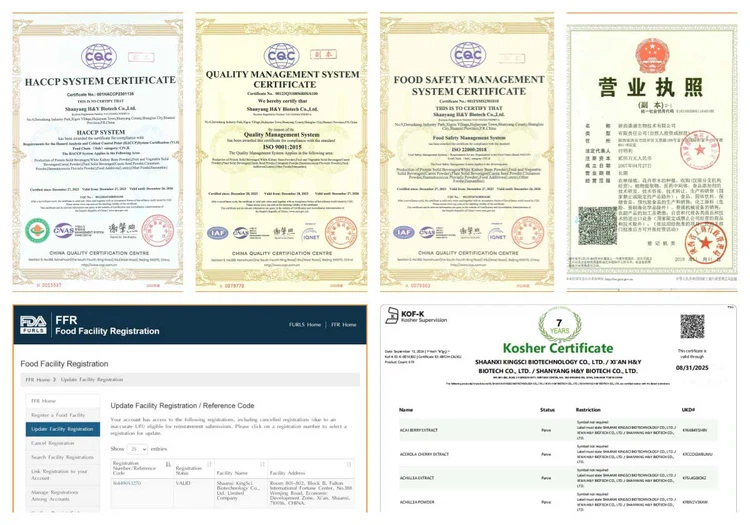
Certifications
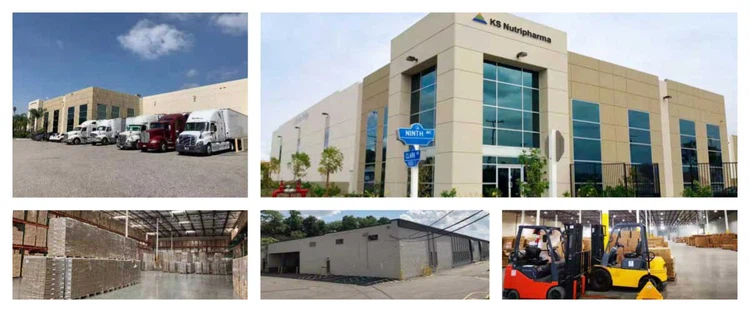
American warehouse
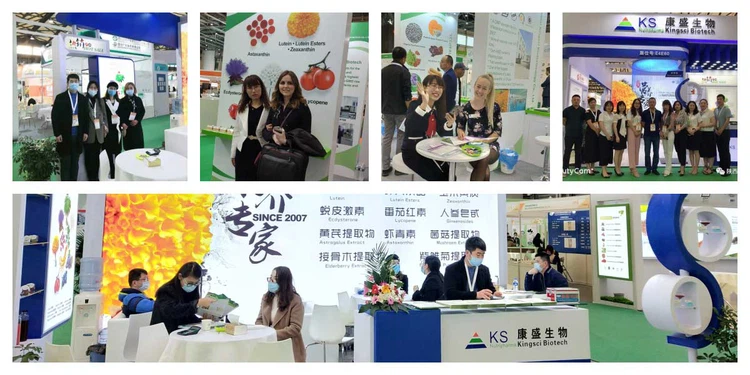
Exhibitions
Hot Tags: bulk glabridin powder, China, manufacturers, suppliers, factory, wholesale, price, pricelist, quotation, bulk, in stock, KOSHER, ISO, HACCP


