


What is Synthetic Astaxanthin Powder?
The Synthetic Astaxanthin Powder started with the antioxidant compound astaxanthin that was originally derived from natural microalgae. The laboratory manages to duplicate the natural astaxanthin structure through chemical production methods that yield synthetic astaxanthin. The synthetic version functions as an alternative to astaxanthin of natural origin in different industries, which include food and beverages alongside cosmetics and nutraceuticals. The main characteristics of synthetic powder exactly match the beneficial properties of natural powder. The substance works to counteract free radicals that create oxidative stress and ensures beneficial effects on cellular health. The anti-inflammatory properties make it useful for skincare products and joint-related formulations that focus on overall health benefits. The stability, along with the cost-effective nature, makes it more appealing to the market when compared to natural astaxanthin.

COA
| Item | Specification | Results |
| Appearance | Dark violet fine powder | Dark violet fine powder |
| Odor | Characteristic | Characteristic |
| Assay (Astaxanthin) | ≥5.0% | 5.10% |
| Loss on Drying | ≤ 1.0% | 0.60% |
| Heavy Metals | ≤ 10 ppm | < 5 ppm |
| Arsenic (As) | ≤ 1 ppm | < 0.2 ppm |
| Lead (Pb) | ≤ 2 ppm | < 0.5 ppm |
| Cadmium (Cd) | ≤ 1 ppm | < 0.1 ppm |
| Mercury (Hg) | ≤ 0.1 ppm | < 0.05 ppm |
| Total Plate Count | ≤ 1000 cfu/g | 180 cfu/g |
| Yeast & Mold | ≤ 100 cfu/g | 25 cfu/g |
| E. Coli | Negative | Negative |
| Salmonella | Negative | Negative |
| Solubility | Soluble in organic solvents; insoluble in water | Soluble in acetone and ethanol |
Are you interested in our products? Just leave a message on this website or contact donna@kingsci.com directly to get free samples and more professional support!
Synthetic Astaxanthin VS Natural Astaxanthin
The chemical compositions of synthetic and natural astaxanthin match, but their origin, together with their manufacturing methods, define their distinctions. The extraction of natural astaxanthin happens from microalgae or seafood, whereas synthetic astaxanthin manufacturers produce it through laboratory chemical syntheses. The antioxidant properties are similar between synthetic and natural forms, although natural astaxanthin possesses additional components, including fatty acids and carotenoids for improved functionality and potential better absorption by the body.
Synthetic astaxanthin becomes the preferred choice for multi-market products because of its budget-friendly production scale, although natural astaxanthin maintains a premium price tag due to its demanding extraction requirements. The body absorption of natural astaxanthin shows potential advantages, but the difference remains minimal for most practical uses.
Production process
1. Fermentation or Chemical Synthesis (Base Production)
The production starts with yeast or bacterial fermentation to create a starting compound. When cultured properly under specific conditions, the yeast strain Phaffia rhodozyma converts β-carotene precursors into the astaxanthin compound. The synthesis of carotenoid precursors from petroleum-based chemicals requires chemical reactions followed by precursor conversion.
2. Precursor Conversion (Carotenoid Synthesis)
After the production of the precursor compound, it transforms through chemical procedures into intermediate carotenoids. The use of catalysts combined with heat and appropriate solvents enables cyclization and other reactions that lead to the formation of carotenoid structures.
3. Astaxanthin Formation
Precursors of carotenoids are transformed into astaxanthin through the last manufacturing step. The carotenoid structure undergoes the addition of functional groups such as hydroxyl and keto, through multiple chemical processes. The chemical reactions determine the precise astaxanthin molecular structure.
4. Purification
Purification techniques work on synthesized products to eliminate excess impurities that remain after synthesis. Different methods, such as chromatography and recrystallization, along with filtration, enable researchers to obtain a high-purity finished product that meets industrial requirements.
5. Drying and Powdering
After the purification process, the synthetic astaxanthin production shifts to a drying and grinding operation to produce a fine powder form. The stable powder can function as an ingredient in dietary supplements as well as food coloring materials and cosmetic products.

Benefits
1. Cost-Effectiveness
Manufacturers can obtain it at reduced costs compared to natural astaxanthin. Multiple production methods, including chemical synthesis and fermentation, result in affordable astaxanthin supplies because these techniques scale up easily while requiring fewer resources, which benefits food coloring producers and manufacturers of dietary supplements and cosmetics industries.
2. Scalability and Availability
The production approach enables straightforward widespread manufacturing at reasonable quantities. The reliable production supply is critical for industrial clients, including food and beverage sectors that use it as natural food coloring due to its stable and consistent availability.
3. Purity and Consistency
Astaxanthin manufacturers produce synthetic versions with defined high purity levels because they operate under standardized production environments. The final product includes active ingredients at a predictable concentration level, which benefits supplement and cosmetic formulations needing precise formulations.
4. Sustainability
It is under fermentation, it produces environmentally friendly outcomes than natural astaxanthin in particular cases. Yeast-based fermentation systems use renewable materials effectively because they outperform sustainable algae collection that needs specific environmental conditions together with resource requirements.
5. Stable Supply for Global Markets
Synthetic astaxanthin maintains a reliable and consistent supply throughout the entire year because it does not face the same annual availability issues that natural astaxanthin experiences. The reliable nature allows it to become a dependable option for worldwide distribution within industries.
Kingsci Haematococcus pluvialis planting base

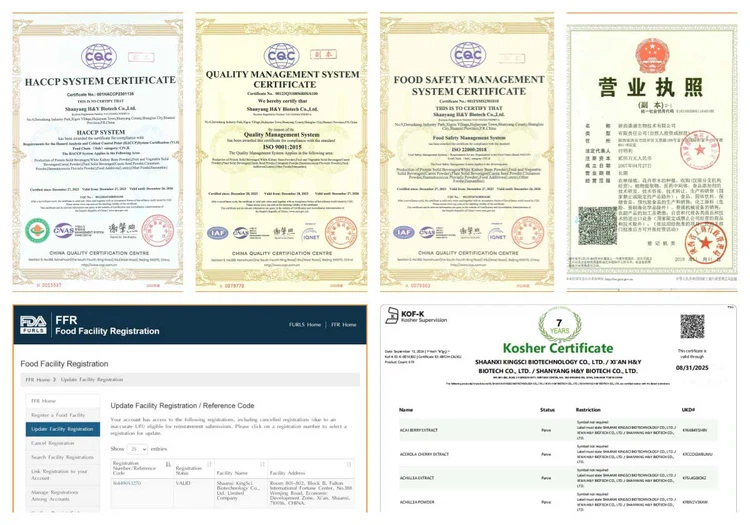
Certifications
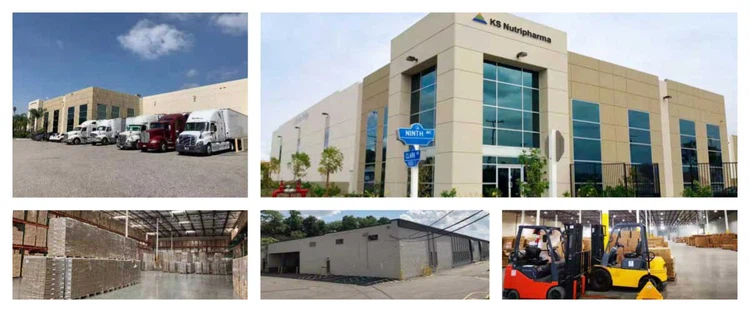
American warehouse
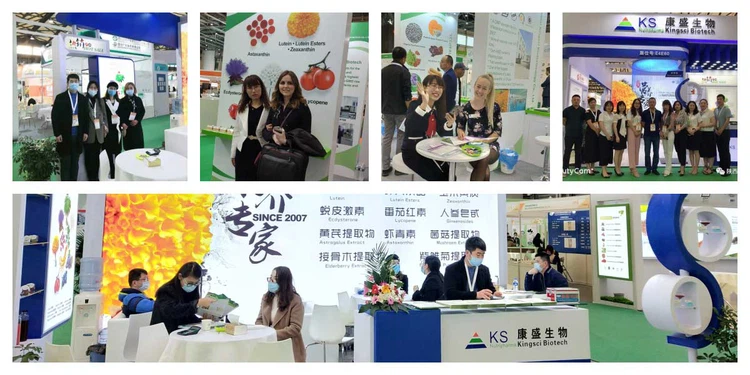
Exhibitions
Hot Tags: Synthetic Astaxanthin Powder. China, manufacturers, GMP factory, wholesale, natural, bulk, organic, high quantity, 100% pure, best, price


