


What is Pomegranate Peel Extract?
Pomegranate Peel Extract is the concentrate of the outer rind of Pomegranate, prepared by a standardisation process of extraction and drying of plant material that is widely adopted in the plant extract industry. The extract form has higher concentration, ease of handling, and formulation flexibility in comparison to fresh pomegranate peel raw material for industrial manufacturing applications. It is a preferred functional botanical raw material for the global ingredients market because of its unique, stable processing qualities and suitability with modern production systems, for inclusion in nutritional supplements, solid beverages, capsules, tablets, gummies, nutritional premixes, and for use in plant-based formulations in wellness. Whether the extract is standardized naturally-occurring polyphenols, ellagic acid, tannins, or any botanical compound required for the formulation, depends on the customer's requirements and positioning of the product. The versatility and botanical source make it a popular ingredient in clean-label, plant-based, and naturally-positioned product concepts created by private-label brands, contract manufacturers, and functional ingredient distributors. Its wide compatibility with powder blends, beverage systems, and encapsulated formulations further adds to its commercial flexibility in terms of product innovation and diversified nutritional product development in the global supply chain of botanicals.

COA
| Item | Specification | Result | Test Method |
| Appearance | Brown Yellow Fine Powder | Complies | Visual |
| Odor | Characteristic | Complies | Organoleptic |
| Taste | Characteristic | Complies | Organoleptic |
| Extract Ratio | 10:1 | Complies | TLC |
| Ellagic Acid | ≥ 40.0% | 40.36% | HPLC |
| Particle Size | 95% Pass 80 Mesh | Complies | USP <786> |
| Loss on Drying | ≤ 5.0% | 3.21% | USP <731> |
| Ash Content | ≤ 5.0% | 2.47% | USP <281> |
| Bulk Density | 0.40–0.65 g/ml | 0.52 g/ml | CP Method |
| Heavy Metals | ≤ 10 ppm | Complies | ICP-MS |
| Lead (Pb) | ≤ 2.0 ppm | 0.18 ppm | ICP-MS |
| Arsenic (As) | ≤ 1.0 ppm | 0.06 ppm | ICP-MS |
| Cadmium (Cd) | ≤ 1.0 ppm | 0.04 ppm | ICP-MS |
| Mercury (Hg) | ≤ 0.1 ppm | 0.01 ppm | ICP-MS |
| Total Plate Count | ≤ 10,000 CFU/g | 320 CFU/g | AOAC |
| Yeast & Mold | ≤ 1,000 CFU/g | 45 CFU/g | AOAC |
| E. coli | Negative | Negative | AOAC |
| Salmonella | Negative | Negative | AOAC |
| Staphylococcus Aureus | Negative | Negative | AOAC |
Looking for bulk supply or product details?
Request A Free Sample or Bulk Quote to get COA, pricing, and fast delivery options.
Market Trends
Pomegranate Peel Extract Powder Market Growth Drivers – The overall food and beverages and personal care industry has seen a shift towards natural, plant-based, and clean-label food and beverage ingredients, which is expected to drive the market for it as well. With consumer demand for more natural products that contain ingredients they can identify over products with higher concentrations of synthetic ingredients, the demand for fruit extracts is growing in both developed and emerging markets. To be responsive to this trend, manufacturers are adding more botanical raw materials to their functional formulations, wellness product lines, and top-quality, natural-positioned products. The rising trend of clean label product development, sustainable sourcing, and plant innovation has boosted commercial interest in fruit by-products extracts as they fit into today's consumers' natural origin and ingredient transparency preferences and environmentally friendly production processes. The global market of botanical extracts is also growing steadily, as there is an increasing demand for high-quality plant extracts with standardization in the international market for their nutritional use, dietary supplements, and cosmetic use. Manufacturers have been increasingly considering traceability, consistency in product specifications, and high-quality extraction technologies to conform to the market expectations.
Why is Pomegranate Peel Extract Popular?
1. Natural ingredient trend
The worldwide trend towards plant-based and natural ingredients is driving the rise in popularity. It fits into the overall clean label trend that is gaining traction across the food, beverage, and health supplement sectors, ensuring the material is a secure, trusted, and reliable raw material for food manufacturers.
2. Natural compound profile
It is rich in naturally occurring polyphenols, ellagic acid, and tannins, all of which are mentioned in botanical standardization systems. These components help to ensure uniformity in the development of specifications and are employed in many industrial quality control systems.
3. Formulation versatility
Pomegranate Skin Extract can be used in capsule, tablet, powder, gummy, and beverage applications. This flexibility provides the manufacturers with the option of incorporating it into many products, which helps them become more efficient in their manufacturing and increases diversified product development.
4. Clean-label and sustainability value
Being a fruit by-product-based ingredient, it's an advantage for positioning as a clean label and meets the sustainability trend of natural sourcing and more efficient use of agricultural products that are crucial in the global supply chain.
5. Standardized supply chain
These better extraction technologies and quality systems deliver stable and reliable specifications and documentation, including COA and traceability data, which enable contract manufacturers and global distributors to ensure their sourced ingredients are reliable.

Product Direction
1. Functional beverage systems
Pomegranate Extract is popularly used in powdered drink mixes, ready-to-mix sachets, and cold soluble beverages by manufacturers. In contemporary beverage development, the concept of natural color, botanical flavour notes, and clean label positioning are features that are frequently used with it.
2. Capsule and tablet formulations
It's thoroughly used as a plant raw material, especially in hard capsules, soft capsules, and compression tablets. It is added to an extract blend or a single ingredient formulation, which is used by manufacturers for standardizing an extract blend or to provide a consistent dosage format for industrial production of a formulation.
3. Gummy and confectionery applications
The extract is found in use in the nutraceutical confectionery industry as a component of chewable tablets, gummies, and functional candy. As it is plant-based, it provides product developers with an opportunity to develop new product formats that can be accepted by consumers and are sensory appealing.
4. Nutritional premix and blending systems
It can frequently be used in a multi-ingredient premix, protein blends, or a botanical formulation system. It can be used in composite ingredient strategies for differentiating and innovating product formulation.
5. Cosmetic and personal care formulations
It also has applications in skincare serums, facial masks, lotions, and cleansers, as well as for food. It is appreciated in such systems as a botanical extract for clean label cosmetic positioning and natural concepts for formulation, which are used in the development of modern natural beauty products.
Certifications
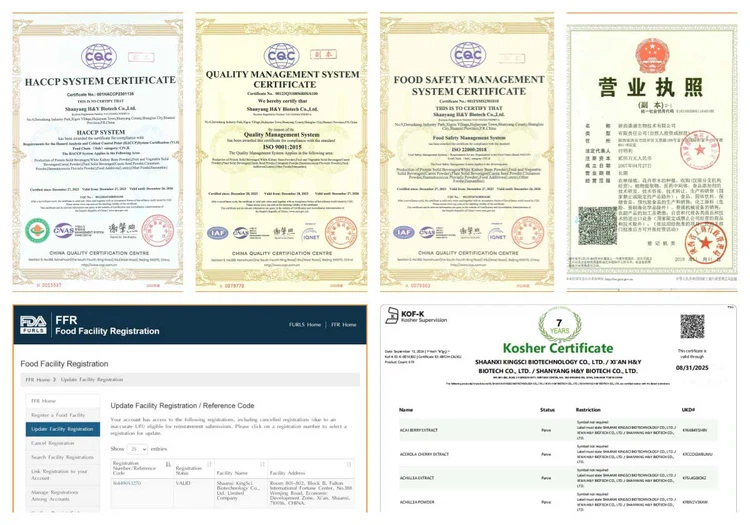
American warehouse

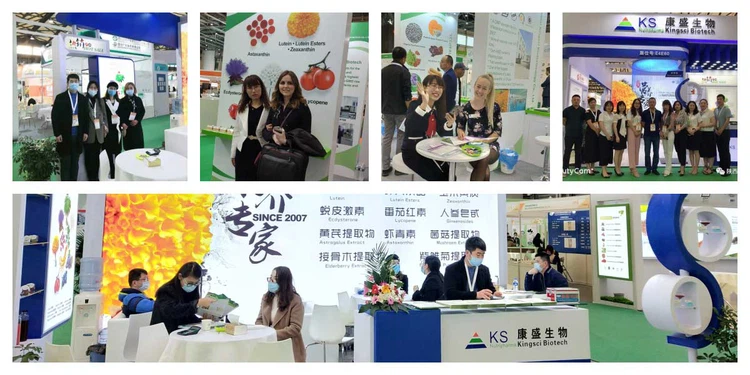
Exhibitions
Hot Tags: Pomegranate Peel Extract


