


What is Coptis Chinensis Root Extract?
Coptis Chinensis Root Extract is a standardized botanical extract that is a derivative of the dried roots of Coptis chinensis, an ancient medicinal herb commonly used in the pharmaceutical, nutraceutical, and functional foods sectors. This extract is sought after by the manufacturers due to the high concentration of important bioactive alkaloids, namely berberine and related substances, that must be carefully measured in order to attain strict standards of quality. It is provided as a fine, generally yellow to brown powder or as a concentrated liquid, with very good solubility and stability appropriate to large-scale industrial use. The extract is applied in the creation of nutritional supplements, herbal supplements, and veterinary health products with the intention of promoting metabolic process, gastrointestinal health, and microbial homeostasis. Through the use of reliable sourcing, controlled processing, and adherence to international quality certifications, manufacturers create a highly effective, high-quality ingredient that meets the guidelines of regulatory authorities and market demand for natural, plant-based products, acting in a broad health-oriented product portfolio.

COA
| Item | Specification | Test Result | Method |
| Botanical Source | Coptis chinensis Franch., root | Conforms | Visual / Documentation |
| Appearance | Fine yellow-brown powder | Conforms | Visual |
| Odor & Taste | Characteristic, slightly bitter | Conforms | Sensory Evaluation |
| Active Ingredient | Berberine (HPLC) | 5–10% | HPLC |
| Other Alkaloids | Optional (Coptisine, Palmatine) | Conforms | HPLC |
| Loss on Drying | ≤5.0% | 3.20% | 105°C, 2h |
| Residue on Ignition | ≤2.0% | 1.10% | AOAC 921.03 |
| pH (5% Solution) | 4.5–6.0 | 5.2 | pH Meter |
| Solubility | Freely soluble in water and ethanol | Conforms | Visual |
| Heavy Metals | ≤20 ppm | 10 ppm | ICP-MS |
| Lead (Pb) | ≤5 ppm | 2 ppm | ICP-MS |
| Arsenic (As) | ≤2 ppm | 0.8 ppm | ICP-MS |
| Cadmium (Cd) | ≤1 ppm | 0.3 ppm | ICP-MS |
| Mercury (Hg) | ≤0.1 ppm | ND | ICP-MS |
| Microbial Limits | Total Plate Count ≤1000 CFU/g | 450 CFU/g | USP <61> |
| Yeast & Mold | ≤100 CFU/g | 30 CFU/g | USP <61> |
| E. coli | Negative | Negative | USP <62> |
| Salmonella | Negative | Negative | USP <62> |
Are you interested in our products? Just leave a message on this page or through donna@kingsci.com to get free samples and more professional support!
Source
Coptis Chinensis Extract is from the roots of Coptis chinensis, a perennial herbaceous plant that grows in parts of East Asia, mainly China. The plant grows either in mountainous or forest regions, in which the environmental conditions are particularly favourable: the altitude, the nature of the soil, climate facilitate the ideal concentrations of the bioactive alkaloids of the plant. In general, harvesting is usually done when the plant is mature for several years to assess the maturity of the roots that contain a very high quantity of active constituents. After meticulous harvest, the roots are cleaned and dried to restore their chemical status. In order to ensure homogeneous quality and strength, Coptis chinensis manufacturers extract it from known, well-taken care of plantations or wild harvesting sources, as long as they follow good agricultural and collection practices (GACP). Thereafter, the extracted material is processed using standardized procedures in such a way that it can enhance the concentration of the important alkaloids, especially berberine, with the least amount of impurities.
History
Often referred to as Chinese goldthread, it is well-documented that it has long been used in traditional East Asian medicine spanning a history of more than two millennia. It has been prominently featured in classical texts on Chinese herbs, including the Shennong Ben Cao Jing and Compendium of Materia Medica, where the root extract was used for its strong bitter taste and sought-after therapeutic value. It was traditionally used to assist digestive health, control body functions, and provide greater balance to the body as a whole, and was often present in formulas that were aimed towards inflammatory and infection-related ailments. Its use extended both into modern herbal medicine and phytopharmaceuticals, and over the centuries into new practices beyond traditional ones. As extraction and standardization methods have increased, the bioactive compounds in Coptis Extract have been better characterized and quantified, so it is possible to incorporate them into modern nutraceuticals, pharmaceuticals, and functional foods. It can be said that even nowadays, this extract is still appreciated by the manufacturers all around the world because of its proven effectiveness and proven safety profile, but more so as a means of facilitating the metabolic and digestive wellness of their products.

Precautions
1. Quality Verification
The manufacturers ought to make incoming quality inspections to ensure that the Berberine HCL Powder meets requirements regarding purity, alkaloids, and is free of contaminants, so that the product has consistent performance.
2. Storage Conditions
The extracts should be stored in a cool, dry, and cool, and dark environment as a necessary condition to retain the statistics of the extract or to prevent degradation of the extracts when held in stock.
3. Dosage Optimization
Inclusion levels should be decided by the formulators depending on the desired product type, desired positive health effects, and legal dose restrictions to achieve safety and efficacy.
4. Compatibility Testing
How the extract will interact with other ingredients of the formulation is crucial to determine, so as to prevent a reaction or lack of stability.
5. Regulatory Compliance
The manufacturers must be cautious to make sure that the end formulation product adheres to local and international regulations of botanical extracts, labelling, and safety specifications.
6. Process Adaptation
Some changes should be made in processing parameters to deal with the physical and chemical characteristics of the extract, including mixing, temperature, and drying.
7. Batch Traceability
Raw material to finished product traceability is important to control quality, recalls, and certification audits.
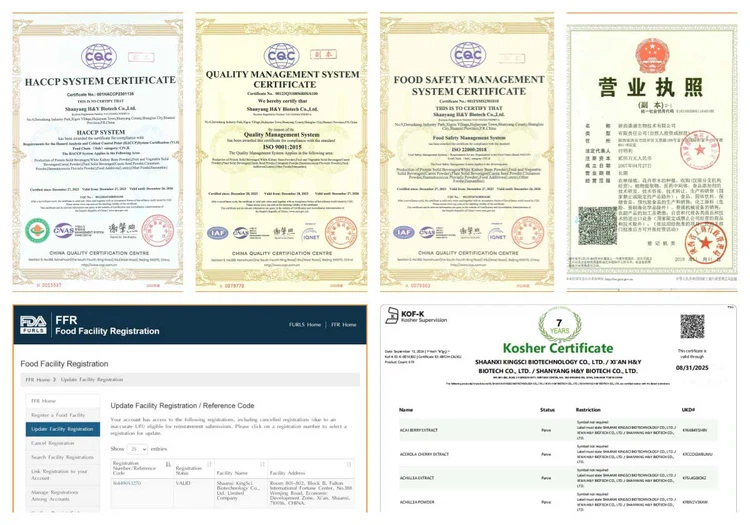
8. Documentation and Certification
Demand and check all the certificates of analysis and material safety data sheets, as well as compliance reports made available by the supplier to warrant regulatory submission and customer confidence.
Certifications
American warehouse

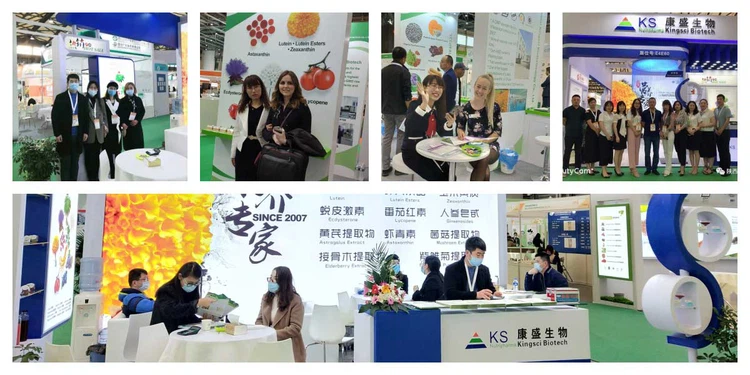
Exhibitions
Hot Tags: coptis chinensis root extract, coptis chinensis root extract powder


