


What is Chinese Gall Extract?
Chinese Gall Extract is a botanical composition composed of tannin that is of high tannin and is extracted from the gallnuts that form on the leaves of Rhus chinensis after having been fed upon by certain species of aphids. Such galls contain hydrolyzable tannins, mostly gallotannins, and are extracted by controlled strategies used in the extraction of water-based or food-grade solvents to create a concentrated powder or granular form. It has been appreciated in terms of high tannin content, specification range, and suitability with large-scale manufacturing systems that need a quantifiable polyphenol content and recorded quality parameters. The extract is normally standardized on the basis of total tannin percentage and confirmed against validated methods of analysis, which promotes accurate formulation and consistent functional performance. Its physicochemical properties comprise a high protein-binding capacity, solubility in water under controlled conditions, and intrinsic polyphenolic reactivity, which make it replaceable in various industrial matrices. With the world market increasingly focusing on transparency of sourcing plant-based ingredients and standardized botanical ingredients, it is still commercially viable because of its scalable mass production capability, agricultural supply base in East Asia, and its ability to comply with specification-based purchasing models.

COA
| Item | Specification | Result | Test Method |
| Appearance | Light brown to brown fine powder | Brown fine powder | Visual |
| Odor | Characteristic | Characteristic | Organoleptic |
| Identification | Positive | Positive | TLC |
| Assay (Tannins) | ≥ 70.0% | 72.36% | UV |
| Gallic Acid | ≥ 20.0% | 21.48% | HPLC |
| Loss on Drying | ≤ 5.0% | 3.12% | USP <731> |
| Ash | ≤ 5.0% | 2.87% | USP <281> |
| Heavy Metals (Total) | ≤ 10 ppm | 6.4 ppm | ICP-MS |
| Lead (Pb) | ≤ 2 ppm | 0.86 ppm | ICP-MS |
| Arsenic (As) | ≤ 2 ppm | 0.42 ppm | ICP-MS |
| Cadmium (Cd) | ≤ 1 ppm | 0.18 ppm | ICP-MS |
| Mercury (Hg) | ≤ 0.1 ppm | 0.03 ppm | ICP-MS |
| Total Plate Count | ≤ 10,000 CFU/g | 2,300 CFU/g | USP <2021> |
| Yeast & Mold | ≤ 1,000 CFU/g | 180 CFU/g | USP <2021> |
| E. coli | Negative | Negative | USP <2022> |
| Salmonella | Negative | Negative | USP <2022> |
Are you interested in our products? Just leave a message on this page or Contact Us Directly to get free samples and more professional support!
Features
Galla Chinensis Extract is characterized by the very high levels of hydrolyzable tannins, mainly gallotannins, which provide it with a strong polyphenolic profile and high protein binding. Physically, it is normally provided in the form of a fine light brown to yellowish powder with low moisture content and controlled particle size distribution, which enables it to be dispersed uniformly in dry blends and with ease during premix manufacturing. It is soluble in hot water and moderately soluble in cold water, with the ability to produce clear to slightly turbid solutions with respect to concentration and pH. The extract has a high protein affinity and selective affinity with some metal ions as a result of the multiple phenolic hydroxyl groups, which may be utilized by formulators in systems that need regulated astringency, structural interaction, or cross-linking properties. It is also oxidatively reactive because of its polyphenolic structure, and this is required to be taken into consideration during formulations of products that are sensitive to oxygen exposure. Protective packaging and a suitable combination of antioxidants can be used where needed. The extract typically remains stable when kept in dry, cool conditions; however, it may slowly hydrolyze when kept in conditions of high humidity or extremes of pH, so when designing finished products, pH control and moisture control are significant in product design.
How to Store Properly?
1. Maintain a Dry Environment
Keep the closed containers in a low-moisture warehouse to avoid taking in moisture since extracts containing tannins are moderately humid.
2. Control Ambient Temperature
Store your product in a stable temperature, neither too high nor too low, as the temperature extremes can cause quicker natural decay of polyphenols.
3. Avoid Direct Light Exposure
Store drums or cartons in the shade or out of the direct sunlight or intense UV sources in order to reduce possible oxidative changes in phenolic compounds.
4. Keep Packaging Intact Until Use
Since the Nutgall Extract product is already professionally sealed as per the export requirements, containers are not to be opened until the production process, so as to maintain internal stability.
5. Reseal Properly After Partial Use
When part of the content is being utilized, it is important to ensure that the inner liner is sealed immediately and tight enough to ensure that the outside drum is fixed to minimal contact with air and moisture.
6. Separate from Strong Odors or Volatile Chemicals
Keep away from ill-smelling or fume-producing materials so that there is no cross-contamination when warehousing over a long period.
7. Implement FIFO Inventory Management
Use a First-In, First-Out model to make sure that material is used within the stipulated shelf-life in recommended storage set-ups.
8. Use Palletized and Elevated Storage
Keep the position containers on pallets instead of on the floor of the warehouse so as to minimise any possible transfer of moisture and also allow the air to circulate.
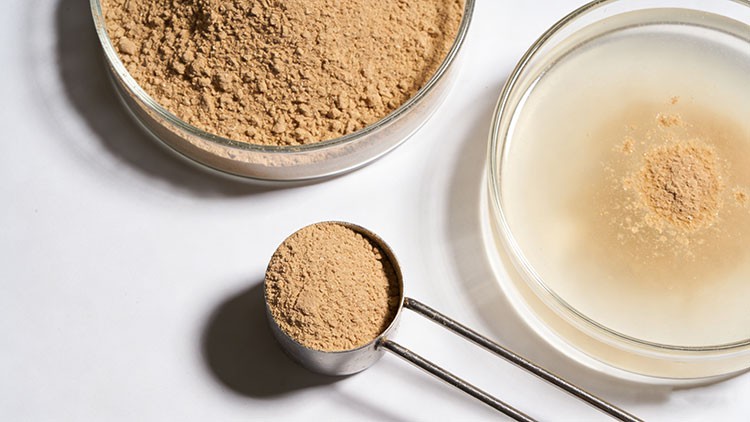
Recommended Usage
The use of the standardized tannin content and controlled particle size of Chinese Gall Extract allows the use of this extract in various dosage forms. In capsule manufacturing, the extract is usually a dry powder ingredient that is mixed with flow aids like microcrystalline cellulose or silicon dioxide to enhance bulk density, eliminate caking, and provide a consistent fill weight; it is preferable to pre-sieve and use low-humidity blending conditions, as this will maximize flowability and content uniformity. In the case of tablet applications, formulators can use the extract together with appropriate binders and disintegrants, and once again, compression force should be properly balanced, since the natural polyphenolic structure of the extract may affect hardness and friability; granulation, whether dry or wet, based on equipment, will enhance compressibility and reduce segregation during high-speed tableting lines. With liquid preparations, the extract may be dissolved beforehand in warm purified water under controlled stirring, and adjustment of pH taken to retain the extract clear and stable; filtration before filling can assist in eliminating insoluble particulates in the concentrated system. In each of the formats, caution is required to test its compatibility with other active ingredients, excipients, and packaging materials because of its protein-binding/metal-chelating properties. Further aids to formulation stability, or specification integrity, in the lifecycle of the product may be proper moisture control during processing, and nitrogen flushing or low-oxygen handling where necessary.
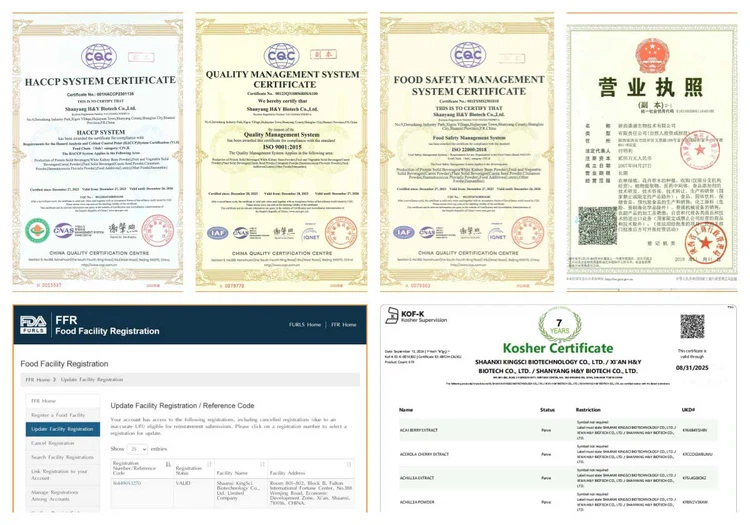
Certifications
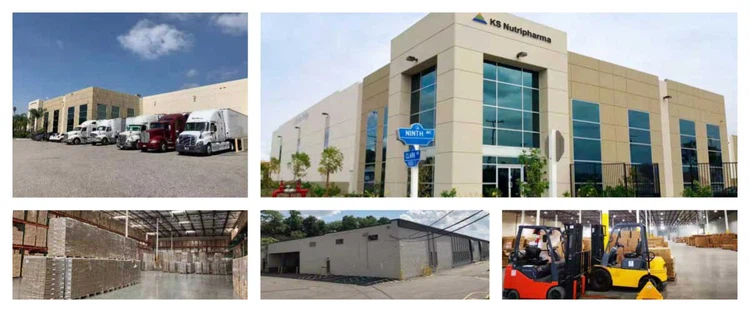
American warehouse
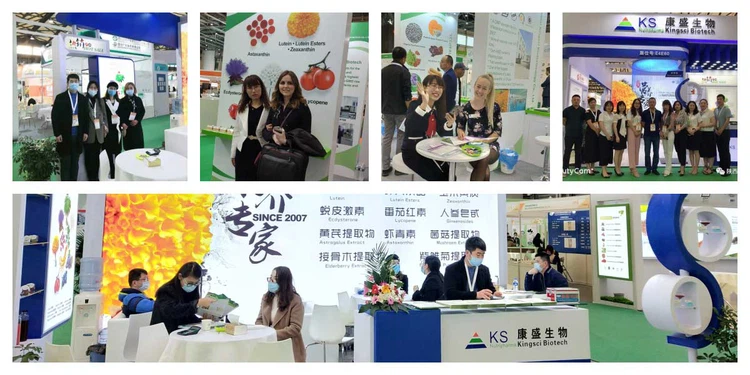
Exhibitions
Hot Tags: chinese gall extract, China, manufacturers, suppliers, factory, wholesale, price, pricelist, quotation, bulk, in stock, KOSHER, ISO, HACCP


