

What is China Ginkgo Biloba Extract?
China Ginkgo Biloba Extract can be described as a commercially extracted botanical ingredient produced in China through the use of the leaf of Ginkgo biloba, which is one of the oldest cultivable tree species that finds its application in the global herbal ingredient marketplace. This substance is known as a standardized plant extract manufactured by special extract makers that combine vast amounts of raw leaves sourced and industrialized extraction apparatus and regulated quality infrastructures. The formation of large supply networks in ginkgo leaf processing is a result of large cultivation space, long-term ginkgo plantation agricultural management, and a distinguished botanical extraction sector in China that could provide a sufficient source of bulk production. This has made it available in large quantities as a refined powder or granulated ingredient with well-established phytochemical markers, normally determined by chromatographic analysis to ascertain similarity in composition between different production batches. The ingredient is used mainly as a botanical intermediate raw material to nutraceutical companies, functional food developers, beverage developers, and ingredient distributors that need plant-derived components that can be traced back to formulate their products. To standardize the extraction, purification, and drying techniques, Chinese manufacturers usually work with globally accepted manufacturing processes and convert the harvested ginkgo leaves into a stable bulk product to be traded worldwide.

COA
| Parameter | Specification | Test Result | Test Method |
| Appearance | Fine yellowish-brown powder | Complies | Visual |
| Odor | Characteristic herbal odor | Complies | Organoleptic |
| Identification | Positive for Ginkgo flavonoids | Positive | TLC |
| Flavone Glycosides | ≥24.0% | 24.67% | HPLC |
| Terpene Lactones | ≥6.0% | 6.21% | HPLC |
| Ginkgolic Acids | ≤5 ppm | <5 ppm | HPLC |
| Particle Size | 95% pass 80 mesh | Conforms | Sieve Analysis |
| Loss on Drying | ≤5.0% | 3.18% | USP |
| Total Ash | ≤3.0% | 1.96% | USP |
| Bulk Density | 0.40–0.65 g/ml | 0.52 g/ml | USP |
| Heavy Metals | ≤10 ppm | <10 ppm | ICP-MS |
| Lead (Pb) | ≤2 ppm | 0.48 ppm | ICP-MS |
| Arsenic (As) | ≤1 ppm | 0.21 ppm | ICP-MS |
| Cadmium (Cd) | ≤1 ppm | 0.09 ppm | ICP-MS |
| Mercury (Hg) | ≤0.1 ppm | 0.02 ppm | ICP-MS |
| Total Plate Count | ≤10,000 CFU/g | 2,400 CFU/g | AOAC |
| Yeast & Mold | ≤1,000 CFU/g | 160 CFU/g | AOAC |
| E. coli | Not Detected | Negative | AOAC |
Are you interested in our products? Just leave a message on this page or Contact Us Directly to get free samples and more professional support!
Recommended Dosage
To plan formulations that use Biloba Leaf Extract, manufacturers tend to use dosage levels engaging the concentration of standardized marker compounds instead of the total extract weight. The generally accepted range of formulations in the finished product is in the range of 60-240 mg of the standardized extract per day in adult consumer products, which is the typical amount of the main phytochemical markers utilized in quality standardization. In terms of ingredient technical documentation and formulation design, this range is extensively referred to in ingredient technical documentation and formula proposals due to its ability to be used by finished product manufacturers to design capsules, tablets, powdered blends, or beverage applications whilst still achieving predictable levels of active compound. The range of dosages, however, is to be perceived as the overall industry formulation guide, and the ultimate level of inclusion must always be as per the regulations, labelling requirements, and the daily intake limits as set by the related authorities in the target market where the finished product is going to be marketed.
Application
1. Nutraceutical Ingredient Manufacturing
Ginkgo leaf extracts in standardized botanical raw materials are used as capsules, tablets, and powdered formulations as the products of the adult lifestyle lines by contract manufacturers and supplement brands. The extract is normally incorporated in the multi-ingredient botanical formulations or single ingredients used in the natural product sub-category.
2. Functional Food and Beverage Development
In specialty beverage bases, powdered drinks mix, and plant-based nutritional blends, food innovation companies use botanical extracts, such as ginkgo-derived ingredients, as ingredients and part of product positioning.
3. Botanical Raw Material Distribution
It is a standardized product derived from plants sold to ingredient distributors and bulk botanical traders, who are later resold to manufacturers in various locations. Here, the extract is an extractible intermediate in the global botanical supply chain.
4. Cosmetic and Personal Care Formulation
Other cosmetic laboratories also incorporate plant extracts in skincare or personal care developments, in which botanical origin, plant polyphenols, or other natural ingredient labeling is a component of the product concept development.
5. Research and Analytical Reference Use
When investigating the phytochemical composition of plants, reactivity of extracts, or the quality control procedures of botanical extracts, Ginkgo Biloba Leaf Extract can be used as standard materials or samples of study.

Safety
Ginkgo Biloba Folium Extract has been prepared using the leaf of the tree in large quantities through well-established manufacturing and quality control regimes that establish safety standards of botanical ingredients in the supply chain of global markets. Industrial manufacturing is normally performed in plants that run under cGMP (Current Good Manufacturing Practices) and ISO quality management systems that govern the traceability of raw materials, control over manufacturing processes, batch records, and sanitation processes used during the production process. Moreover, it is widely tested using toxicological analyses and extensive laboratory analyses to ensure that they meet the standard safety criterion of botanical raw materials. Commonly used routine analytical tests involve heavy metals, pesticide residues, microbial limits, and residual solvents tests, to verify that the finished ingredient satisfies specifications thresholds of ingredient trade at the international level. The purification steps used in the process of extraction are also intended to remove naturally occurring compounds like ginkgolic acids to controlled low levels, which is a quality requirement mentioned in a number of global pharmacopeia and ingredient standards.
Certifications
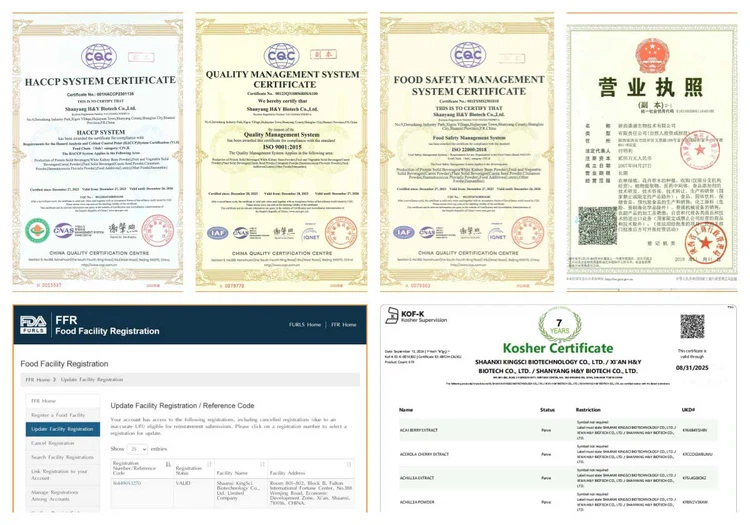
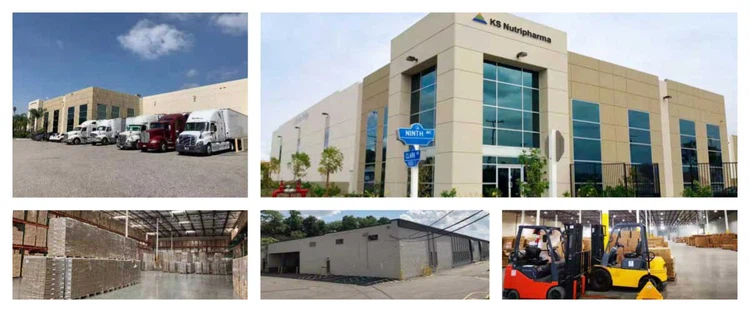
American warehouse
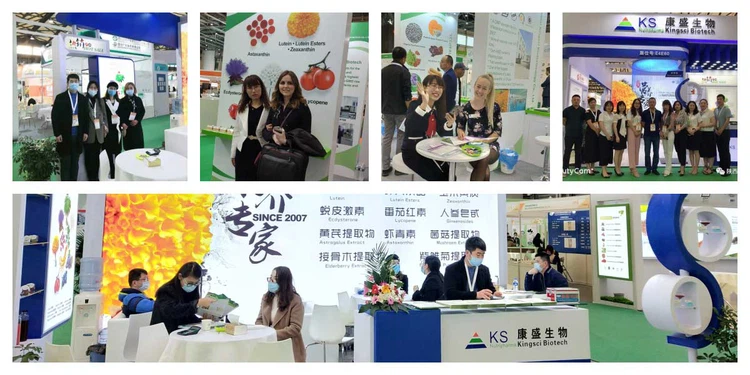
Exhibitions
Hot Tags: Ginkgo Biloba Extract, Ginkgo Biloba Extract Powder


