


What is Allicin Powder?
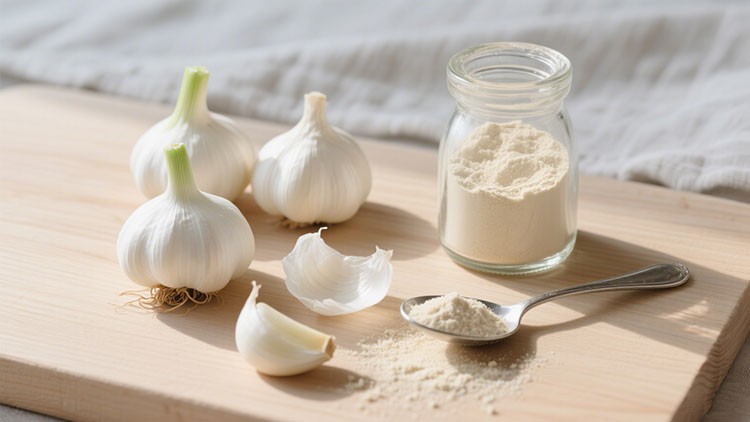
Allicin Powder is an industrially high-concentrated and stable form of the main bioactive compound that is naturally present in garlic and developed especially with serial industrial and commercial use in mind. It can be made by controlled extraction and drying techniques, which do not destroy the integrity and potency, which is the compound that gives garlic having characteristic properties and functional effects. The powder is generally light-colored, free-flowing, and standardized to provide uniform allicin content across production batches and is thus appropriate to large-scale production. Within the nutraceutical sector, the nutraceutical industry uses it as a trusted source of material to produce capsules, tablets, and powder blends, where consistency of active content is of utmost importance to quality assurance and a regulatory standpoint. It is included in the food and beverage manufacturing industry to expand flavor connections in a clean-label formulation with supporting trends in the food and beverage industry, along with the industry as a whole, and plant-based food and beverage production. It is used as a natural compound feed additive in the animal nutrition industry, which promotes the quality of the final product and provides a safe alternative to synthetic compounds. The advantage of its condensed form is suitable for pharmaceutical and healthcare developers, as it can be dosed accurately and incorporated into higher-order formulas.
COA
| Test Item | Specification | Result | Method |
| Appearance | Light yellow powder | Complies | Visual |
| Odor | Characteristic garlic odor | Complies | Sensory |
| Assay (Allicin) | ≥10% | 10.25% | HPLC |
| Moisture | ≤5.0% | 3.80% | USP<731> |
| Ash | ≤6.0% | 5.10% | AOAC |
| Sieve Analysis | 95% pass 80 mesh | Complies | USP |
| Loss on Drying | ≤5.0% | 3.60% | USP<731> |
| Bulk Density | 0.40–0.65 g/mL | 0.52 g/mL | USP |
| Pb | ≤3 ppm | 1.5 ppm | ICP-MS |
| As | ≤2 ppm | 0.9 ppm | ICP-MS |
| Cd | ≤1 ppm | 0.3 ppm | ICP-MS |
| Hg | ≤0.1 ppm | <0.05 ppm | ICP-MS |
| Residual Solvent | ≤0.05% | Complies | GC |
| Pesticide Residues | Meet the USP/EC regulation | Complies | GC-MS/MS |
| Total Plate Count | ≤1,000 CFU/g | 320 CFU/g | USP<2021> |
| Yeast & Mold | ≤100 CFU/g | 45 CFU/g | USP<2021> |
| E. coli | Negative | Negative | USP<2022> |
| Salmonella | Negative | Negative | USP<2022> |
Are you interested in our products? Just leave a message on this page or through donna@kingsci.com to get free samples and more professional support!
Source
Garlic Extract Allicin is extracted once in fresh bulbs of garlic (Allium sativum L.), which are selected and controlled by quality, maturity, and uniformity to establish a healthy source of raw materials as an industrial product. The commonly known bioactive component of garlic is alliin. Alliin is alliin, a naturally occurring sulfur molecule that is converted to allicin through the enzyme alliinase during processing, by crushing and/or slicing the garlic. The extract is then kept stable by means of controlled drying processes, including spray drying or freeze drying, to maintain levels in the process, forming a free-flowing powder suitable for large-scale production. The end result is that it still has the natural properties of the garlic itself, with added uniform potency and long shelf life, in addition to the ease of its incorporation into different formulations. Manufacturers can supply a traceable and proven consistent ingredient by sourcing concentrated garlic that was grown under managed agricultural practices to ensure the finished product is one that is up to the challenges of the food, nutraceutical, feed, and pharmaceutical industries.
History
It is founded on the millennia-old use of garlic (Allium sativum L.) as a functional and culinary ingredient, an application that spans the cultures of thousands of years. Although typically fresh raw garlic has been prized due to a curative and unique flavor as well as herbal-type compounds, it was not until portions of the 20th century that it was discovered to be the major bioactive constituent, and its synthesis by the enzyme-mediated breakdown of alliin during the crushing and processing of garlic was found to produce this chemical. Based on this understanding, modern industrial methods have been industrialized to extract, stabilize, and standardize allicin and produce it on a very large scale in a form that can be more easily and consistently used in applications in food, nutraceuticals, feed, and pharmaceutical formulations as a powder. In the last few decades, it has emerged as an important ingredient for manufacturers who want a reliable source of concentrated and traceable sources of the functional components of garlic. Its historic development represents a combination of ancient wisdom of botany with modern extraction and formulation methodologies, where enterprises can take advantage of the positive aspects of the Allicin Garlic Powder in a convenient and industrial-ready form that complies with the global quality and safety expectations of consumers.
Precautions
1. Storage Conditions
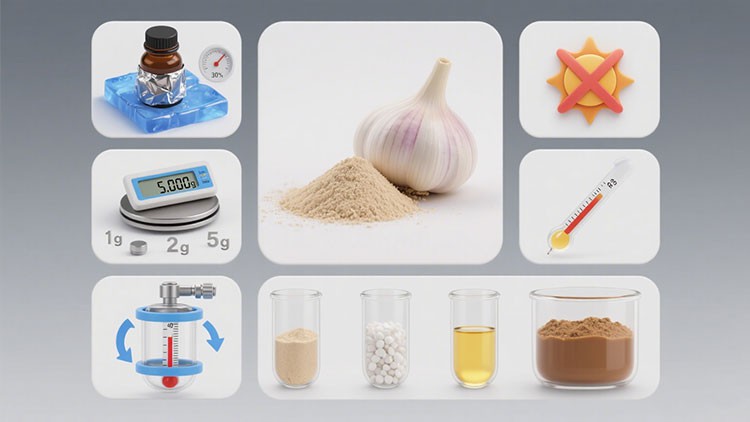
It is heat-sensitive, moisture-sensitive, and light-sensitive. It requires being kept in a cool, dry, and air-free environment to ensure that it is potent and not degraded.
2. Dosage Accuracy
Measurement and controlled inclusion amounts should be followed to guarantee functional stability and maintenance of the same quality of the products in their final formulation.
3. Processing Environment
When extracted by blending, mixing, or extrusion, avoid excessively high temperatures and risk the loss of activity, which is heat-sensitive.
4. Compatibility with Other Ingredients
Ensure that interactions with other raw materials are not causing a change in flavor or loss of stability or bioactive ingredients in the final product.
5. Quality Control
Perform regular testing of active component, microbial limits, and physical properties during the inclusion of Bulk Allicin Powder in production in order to meet standards.
6. Regulatory Compliance
All formulations to be used must pass the local and international food, nutraceutical and feed, and pharmaceutical-based regulatory requirements.
7. Packaging After Dispensing
After powder is taken out of the bulk container, it must be used or put into appropriate smaller containers immediately in order to avoid exposure to air and moisture.
8. Documentation and Traceability
Keep batch records/certificates of analysis (COA) to enable traceability, which is necessary for quality assurance, audits, and regulatory reporting.
Certifications
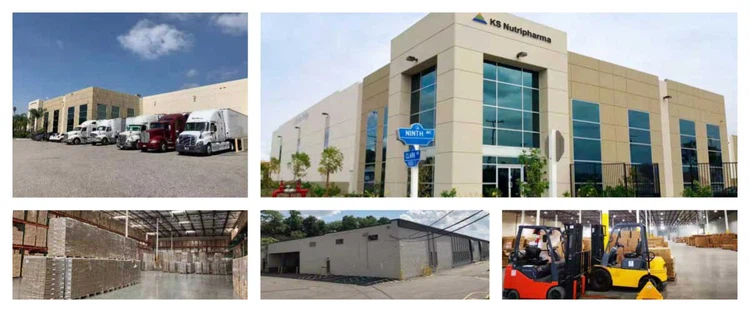
American warehouse
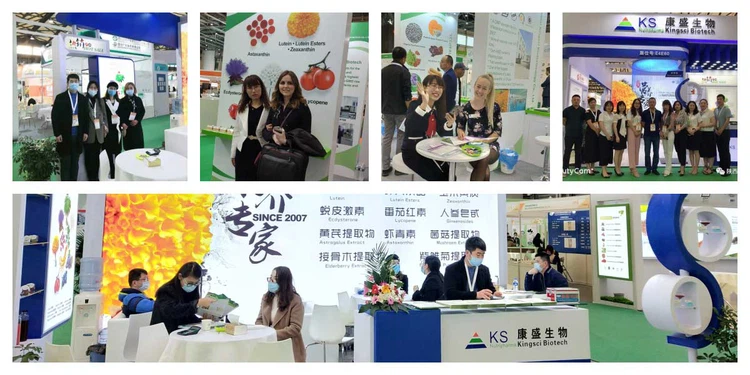
Exhibitions
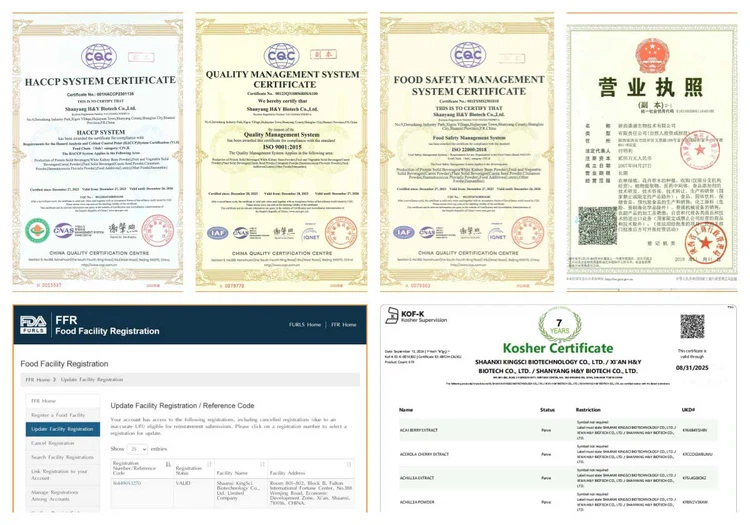
Hot Tags: allicin powder, China, manufacturers, suppliers, factory, wholesale, price, pricelist, quotation, bulk, in stock, KOSHER, ISO, HACCP


