


What is Elderberry Extract Powder?
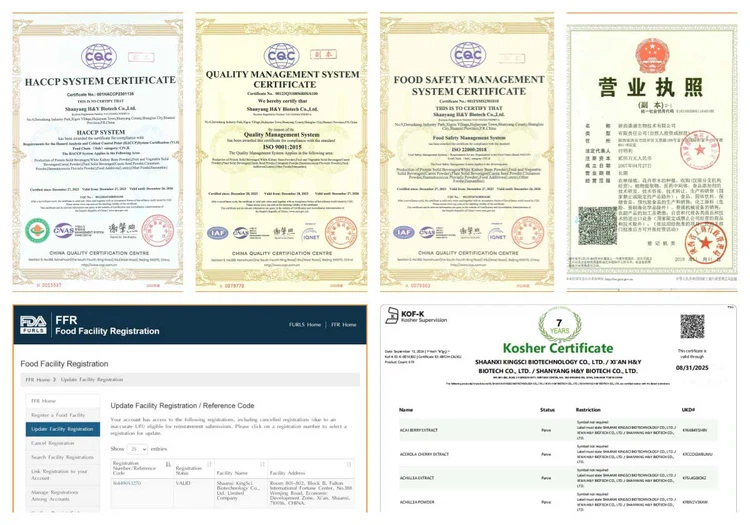
Elderberry Extract Powder is a standardized, spray-dried product derived by means of controlled extraction and low-temperature concentration of the ripe berries of Sambucus nigra in order to maintain the same anthocyanin profile and natural color of the product. To manufacturers, it is appreciated because it is a stable, free-flowing powder that is consistently soluble, has a uniform particle size, and can be used with reliable batch-to-lot specifications, and can be incorporated into a broad spectrum of formulated products. It has a deep purple color and is derived from compounds of berries, which can be utilized in the functional and sensory properties to develop products in industries like beverages, gummies, tablets, capsules, nutrition blends, and formulations in cosmetics. Industrial users usually choose it because it has clean-label positioning, traceability of sourcing of raw materials, and can be used in a wide variety of different processing conditions, such as direct compression, wet granulation, and liquid reconstitution. Production of the ingredient is usually carried out under cGMP and ISO based quality systems, whereby regular identity, purity, microbial, and heavy metals tests are performed to guarantee that the product meets international market standards. Since it is a botanical extract and not a consumer product, it functions as a versatile formulation ingredient, providing color and flavor, as well as phytonutrient content of plant origin.

COA
| Item | Specification | Result |
| Product Name | Elderberry Extract Powder | Conforms |
| Botanical Source | Sambucus nigra L. | Conforms |
| Plant Part Used | Fruit | Conforms |
| Appearance | Violet red to dark violet fine powder | Conforms |
| Odor & Taste | Characteristic | Conforms |
| Particle Size | 95% pass 80 mesh | Conforms |
| Moisture (Loss on Drying) | ≤ 5.0% | 3.21% |
| Ash | ≤ 5.0% | 2.18% |
| Bulk Density | 0.40–0.70 g/mL | 0.53 g/mL |
| Identification | Positive, TLC | Conforms |
| Anthocyanins (UV/HPLC) | 25% | 25.30% |
| Total Plate Count | ≤ 10,000 cfu/g | < 1,000 cfu/g |
| Yeast & Mold | ≤ 300 cfu/g | < 100 cfu/g |
| E. coli | Negative | Negative |
| Salmonella | Negative | Negative |
| Staphylococcus aureus | Negative | Negative |
| Heavy Metals (Total) | ≤ 10 ppm | < 5 ppm |
| Lead (Pb) | ≤ 2 ppm | < 1 ppm |
| Arsenic (As) | ≤ 1 ppm | < 0.5 ppm |
| Cadmium (Cd) | ≤ 1 ppm | < 0.5 ppm |
| Mercury (Hg) | ≤ 0.5 ppm | < 0.1 ppm |
| Residual Solvents | ≤ 5,000 ppm (USP <467>) | Conforms |
Are you interested in our products? Just leave a message on this page or Contact Us Directly to get free samples and more professional support!
Recommended Dosage
During product development, the recommended level of use of Elderberry Extract is normally set due to the anthocyanin specification as well as the positioning of the final formulation. As a general industry guideline, most manufacturers formulate their products to present an extract of about 50-300mg per serving with an increase or decrease in amounts depending on the concentration, solubility level, and sensory profile demanded in beverages, powders, gummi candies, or solid-dose. These values are not absolute targets but rather realistic standards that can assist the formulators to create a balance between potency, cost-in-use, and processing stability. Since the control of botanical ingredients is different in different geographical locations, firms ought to ensure that they confirm the allowable levels of inclusion as stipulated by the authorities in their respective locations of operation, in the instance of using standardized extracts or where it will be sold to several destinations. Last usage levels must always be adjusted to the certificate of analysis of the extract, the internal quality provisions, and other applicable regulations within a country in order to make sure that the completed product is in compliance with expectations, rather than assuming that it has a medical intention.
Application
1. Functional Food & Beverage Manufacturing
It is applied in blends of instant drinks, flavored sachets, gummies, bars, and ready-to-mix drinks as a natural colorant, as well as a plant-based ingredient. It is highly purple in color, and its berry profile also assists in promoting product identity and clean-label positioning.
2. Dietary Supplement Production
The powder is available in capsules, tablets, soft chews, and multi-ingredient blends from many manufacturers. It is appreciable because of its standardized form, processing stability, as well as compatibility with the direct compression or granulation processes.
3. Nutritional Powder Blends
The extract is commonly used in mixed powders, e.g., superfood formulations, antioxidant-themed blends, fortified drink blends, and fortified drink bases. It is also dispersible in dry mixes and has a good batch uniformity that is significant when blending in large amounts.
4. Confectionery and Snack Formulation
Gummies, lozenges, and snacks coated with gums and sweets made of fruits can use it to bring natural color, some similarity to berries, and botanical labeling without using synthetic additives.
5. Beauty and Personal Care Manufacturing
It is a botanical ingredient in cosmetics and skincare products used as a mask ingredient, emulsifier, cleanser, and bath product. Its pigments and phytonutrient profile are vegetarian-based, which supports the natural pigments story.
6. Private-Label and Contract Manufacturing
Elderberry Extract Powder Bulk is an elastic component utilized by contract manufacturers that can be incorporated into any product line effortlessly. Its standardized quality, wide compatibility, and familiar botanical source have enabled it to be used in domestic as well as export-oriented projects.
Safety
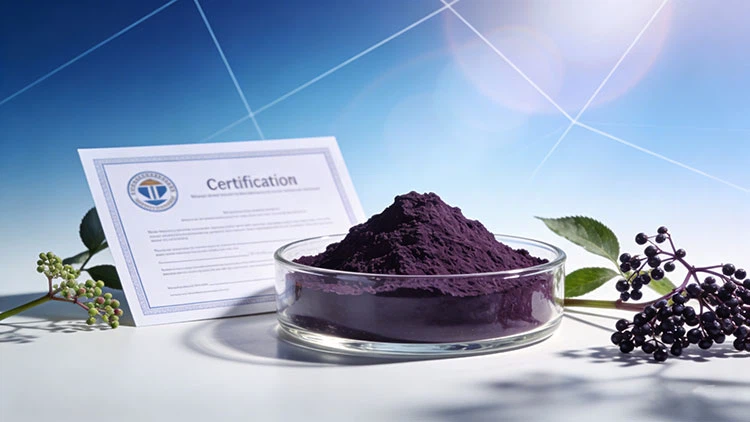
Black Elderberry Extract is considered a safe botanical ingredient to use in food, supplements, and personal-care products when manufactured under regulated industrial quality and where reputable suppliers have performed toxicological tests to prove its safety. Commercial manufacturing is usually based on cGMP and ISO-like quality systems, which have a consistent source of raw materials, approved processing procedures, and close attention to contaminants like heavy metals and pesticides and microbiological loads. Most manufacturers also assess the extract concerning the possible allergens, and it can be regarded as low-allergenic since it has a vegetal origin and does not include any significant allergen classes. Safety documents such as specification sheets, third-party analysis, and records of regulatory compliance are regularly made available to clients so that the formulators can ensure that the ingredient complies with the regional requirements and the internal quality standards.
Certifications
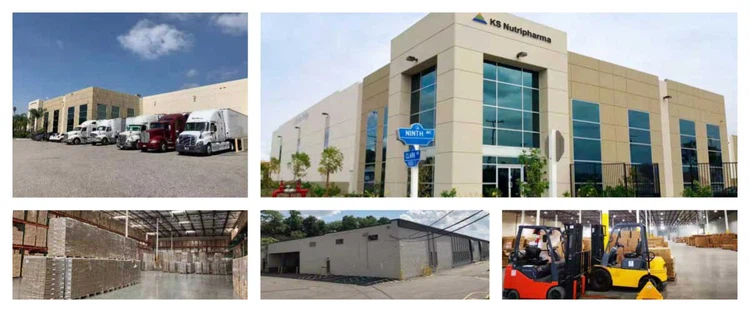
American warehouse
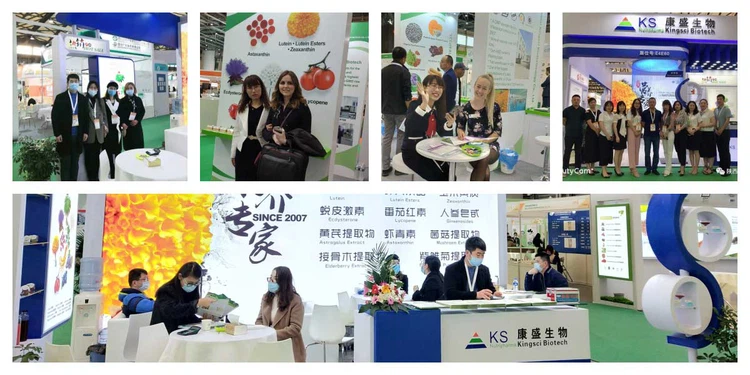
Exhibitions
Hot Tags: elderberry extract powder, China, manufacturers, suppliers, factory, wholesale, price, pricelist, quotation, bulk, in stock, KOSHER, ISO, HACCP


