


What is Rosmarinus Officinalis Leaf Extract?
Rosmarinus officinalis leaf extract is a multi-purpose botanical ingredient that is the extract of the dried leaves of the rosemary plant, and it is used in many industries such as the food, nutraceutical, cosmetic, and pharmaceutical industries. It has been appreciated by manufacturers and formulators due to its natural composition that contains high levels of phenolic acids like carnosic acid, rosmarinic acid, and ursolic acid, that has high antioxidant, antimicrobial, and stabilization properties. This extract is also used widely in the food and beverage industry as a natural preservative to lengthen the shelf life and preserve the product's freshness as an alternative to synthetic preservatives with a clean-label. In the nutraceutical industry, it is added to dietary supplements meant to aid metabolic health, digestive balance, and overall vitality as an added value to those formulations meant to target the high-end markets. It is applied in the cosmetic and personal care sector in skincare, haircare, and oral care products, where it promotes a sophisticated, purifying, and protective effect, which is consistent with the current consumer trend towards natural and sustainable ingredients. The versatility of the extract, standard active content, and its ability to integrate with various formulations make the extract a cost-effective and scalable ingredient to be used by product developers wishing to differentiate themselves via natural functionality.

COA
| Test Item | Specification | Method | Result |
| Appearance | Fine powder, light green to brownish green | Visual | Complies |
| Odor | Characteristic aromatic | Organoleptic | Complies |
| Taste | Slightly bitter | Organoleptic | Complies |
| Identification | Positive for Rosmarinus officinalis constituents | HPLC / TLC | Complies |
| Active Compounds (Carnosic Acid) | ≥10% | HPLC | 10.50% |
| Rosmarinic Acid | ≥3% | HPLC | 3.20% |
| Loss on Drying | ≤5% | AOAC 925.10 | 4.10% |
| Ash Content | ≤8% | AOAC 923.03 | 6.50% |
| Water Solubility | Soluble in water & ethanol | Visual / Solubility Test | Complies |
| Heavy Metals | |||
| – Lead (Pb) | ≤2 ppm | ICP-MS | 1.2 ppm |
| – Arsenic (As) | ≤1 ppm | ICP-MS | 0.5 ppm |
| – Cadmium (Cd) | ≤1 ppm | ICP-MS | 0.3 ppm |
| – Mercury (Hg) | ≤0.1 ppm | ICP-MS | <0.1 ppm |
| Microbiological Limits | |||
| – Total Plate Count | ≤1000 CFU/g | USP / EP | 450 CFU/g |
| – Yeast & Mold | ≤100 CFU/g | USP / EP | 20 CFU/g |
| – E. coli | Negative | USP / EP | Negative |
| – Salmonella | Negative | USP / EP | Negative |
Are you interested in our products? Just leave a message on this page or Contact Us Directly to get free samples and more professional support!
Source
Rosmarinus Officinalis Rosemary Extract is a product of the rosemary plant, which is an aromatic shrub of evergreen origin and grows in the Mediterranean area and is currently being grown in several regions around the world with temperate climates, such as Southern Europe, North Africa, and some areas of Asia. The extract is derived mostly from the dry leaves that are gathered when the plant is at its optimum active compounds. The extract has high levels of phenolic diterpenes, flavonoids, and essential oils, which are the ones that give the extract its functional properties. The normal production process in industries includes dried and milled leaves, solvent extraction, supercritical CO2 extraction, or water-ethanol extraction to maintain high yield and active constituents like carnosic acid, rosmarinic acid, and ursolic acid. They are standardized to fulfill regulatory and quality demands so that manufacturers are able to provide extracts with varying levels of consistency and purity to be used in food preservation, dietary supplements, pharmaceuticals, and personal care. Sustainable production of rosemary also adds to the supply of the extract since the plant is drought-tolerant, thrives well in unproductive soils, and has low agricultural production requirements relative to other medicinal herbs; thus, it is an environmentally friendly raw material to use in large-scale industrial production.
History
Rosmarinus officinalis, commonly referred to as rosemary, has a rich and ancient history that goes back thousands of years, and its application has been in culinary, medicinal, and cultural practices. Rosemary started in the Mediterranean basin, where it was very much treasured in ancient civilizations in Egypt, Greece, and Rome, where it was linked to memory, cleansing, and securing. The history of the Egyptians indicates that rosemary has been used in burial ceremonies in the past, as the Greeks and Romans applied it in ceremonies, medicine, and cooking. It was also grown in monastery gardens and was commonly used as a natural preservative, aromatic herb, and in traditional remedies in the Middle Ages in Europe. It was also associated with faithfulness and memory since it was frequently placed in weddings and burials. By the Renaissance, the spread of rosemary had reached the whole of Europe, where it was added to herbal pharmacopoeias as well as household recipes, especially as a preservative and cleansing agent. The familiarity of the functional property in the world trade and industry processes over time resulted in the extraction of bioactive compounds in the rise of food, nutraceutical, cosmetic, and pharmaceutical industries. This abundant history determines the timeless relevance of Rosmarinus Leaf Extract, which is one that links the traditional tradition with modern science and the business world.

Precautions
1. Quality and Standardization
The manufacturers need to make sure that the Rosemary Extract is provided at a constant concentration of active compounds, including carnosic acid and rosmarinic acid, as the differences can be reflected in the performance of the product. The third-party testing and Certificate of Analysis (COA) are advised to ensure that the batches remain consistent.
2. Regulatory Compliance
The extract should be in line with regulatory requirements in the region, e.g., food safety standards (e.g., FDA, EFSA) or cosmetic regulations (e.g., EU Cosmetic Regulation, FDA cosmetic compliance). Before formulation, one should check the approved usage categories and labeling requirements, and concentration limits that are allowed.
3. Compatibility in Formulations
The extract is to be checked with other raw materials in the formulation. Its great antioxidant and aromatic activity can affect taste, color, or smell, and this necessitates a modification in the proportions of the formulations to give the product a balanced feel.
4. Stability in Processing
Temperature, pH, light, or oxygen exposure are some of the manipulated processing conditions that may affect the stability of the bioactive compounds in the extract. The manufacturers must consider the best processing parameters in order to maintain efficacy in the process of food production, supplement production, or cosmetic manufacturing.
5. Shelf Life and Storage
The storage conditions are critical, and maintenance of the extract stability is achieved by appropriate conditions, which include a cool, dry, and light-free environment. To increase the shelf life of finished products, manufacturers are expected to use suitable packaging systems, including airtight containers or protective films.
6. Scalability and Cost Efficiency
In the case of industrial production, it is necessary to match the specifications of the extracts to the cost target and scalability. Bulk buying ought to consider not only the cost, but also the mode of extraction, level of purity, and the purpose of that extraction to facilitate effective incorporation into the large-scale production.
7. Sustainability and Sourcing Transparency
Sustainability and traceability of raw materials are becoming important issues in many markets. It is important to make sure that rosemary is obtained in terms of trusted and sustainable cultivation and extraction practices to increase the credibility of the brand and keep in line with the global trends of sustainability.
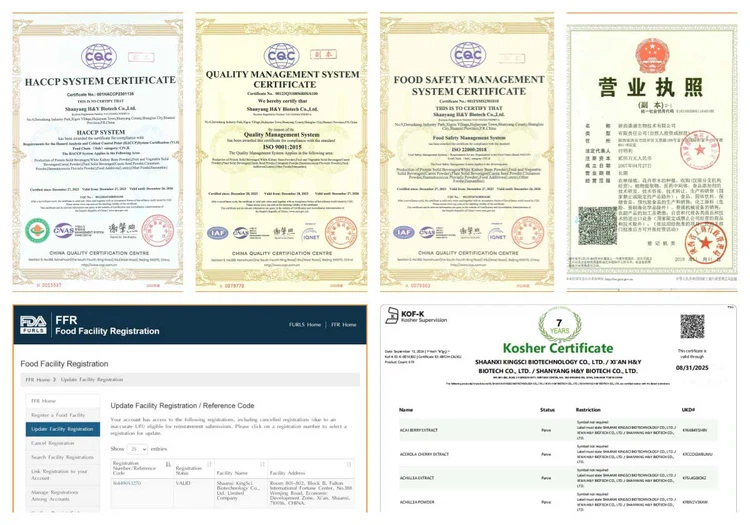
Certifications
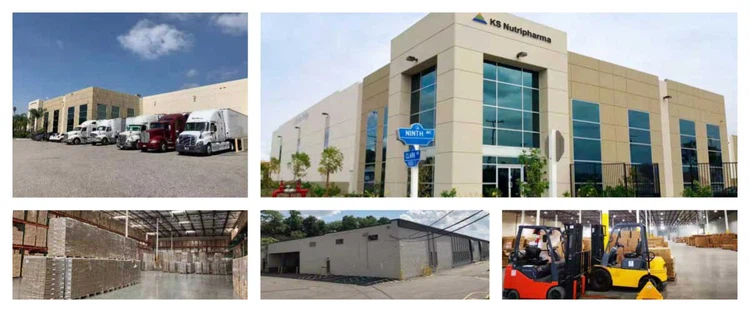
American warehouse
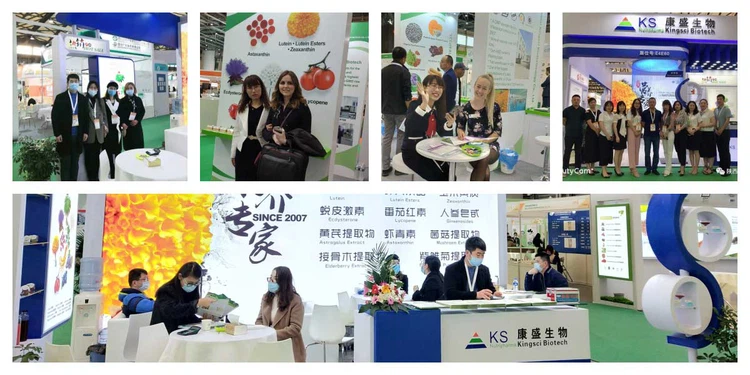
Exhibitions
Hot Tags: Rosmarinus Officinalis Leaf Extract, China, manufacturers, suppliers, factory, wholesale, price, pricelist, quotation, bulk, in stock, KOSHER, ISO, HACCP


