


What is Wholesale Synthetic Beta Carotene?
Wholesale Synthetic Beta Carotene is made in a lab and is used mostly because it's cheaper than natural sources and provides a bright orange color for many different types of industrial products. Produced in the lab with careful steps, this type has a higher level of purity, is more consistent, and is stable, which makes it useful for making large amounts of food, drinks, supplements, medicines, and feed. It imitates the shape and way beta carotene works in nature, so it can give food the same benefits and colors as the real thing in lots of different products. Supplied in powder or little round bead forms, synthetic beta carotene is often picked by companies because it makes sure their products have the same color and ingredients every time, can be made in large amounts, and is allowed by laws in places where they have to stick to a good balance between cost and performance.

COA
| Item | Specification | Result |
| Beta Carotene Content | ≥20.0% | 20.28% |
| Appearance | Orange-red powder | Complies |
| Odor | Neutral, slightly oily | Complies |
| Taste | Bland | Complies |
| Solubility | Dispersible in oil | Complies |
| Loss on Drying | ≤6.0% | 3.94% |
| Residue on Ignition | ≤5.0% | 1.17% |
| Particle Size | 90% through 80 mesh | Complies |
| Heavy Metals (Total) | ≤10 ppm | <5 ppm |
| Lead (Pb) | ≤2 ppm | <0.4 ppm |
| Arsenic (As) | ≤1 ppm | <0.2 ppm |
| Cadmium (Cd) | ≤1 ppm | <0.1 ppm |
| Mercury (Hg) | ≤0.1 ppm | <0.01 ppm |
| Total Plate Count | ≤1,000 CFU/g | 130 CFU/g |
| Yeast & Mold | ≤100 CFU/g | <20 CFU/g |
| E. coli | Absent in 10g | Absent |
| Salmonella | Absent in 25g | Absent |
Are you interested in our products? Just leave a message on this website or contact donna@kingsci.com directly to get free samples and more professional support!
Source
Synthetic Beta Carotene Powder is made by putting together some basic chemicals through a step-by-step lab process using things like acetylene and toluene that come from petroleum. These raw materials go through some chemical changes called cyclization and isomerization, which turn them into beta carotene molecules that are the same as the ones you can find in nature. The production happens in factory settings made just for medicines to make sure the products are really clean and stable, so they can work as expected every time. This method helps control things like strength, quality, and size of the powder, keeping costs down and making it a reliable option for companies making food, supplements, and animal feed.
Process
1. Raw Material Preparation
The process starts with using chemicals like acetylene or toluene, which give the materials the carbon needed to build beta carotene.
2. Intermediate Formation
Through many different chemical reactions, these raw materials are turned into important building blocks like ionone derivatives or aldehydes, which help make up the main part of the carotenoid molecule.
3. Condensation Reaction
The intermediates go through several steps where they react one by one with heating and pressure, which helps them join together to make one long chain that looks like the structure of beta carotene.
4. Cyclization
At the next stage, cyclization happens, so both beta-ionone rings meet at the two ends of the molecule, completing the structure of beta carotene.
5. Isomerization and Purification
Crude beta carotene may include several isomers, so some of them are removed and purified to increase the share of more reliable and stable all-trans beta carotene.
6. Crystallization and Drying
After purification, the product is crystallized, filtered, and dried into a powder or beadlet form to help it be handled and used easily in other products.
7. Standardization and Packaging
Once it has been processed, it is tested for potency and stability before being packed in controlled conditions to ensure it remains of good quality during storage and transportation.

Synthetic VS Natural Beta Carotene
Compared to natural beta carotene, the artificial kind is much easier to make in large quantities, is cheaper, and each batch comes out almost the same, so it's a more useful choice for making big amounts of products for food, supplements, and feed. Its chemical composition helps it behave consistently in formulations and maintain its color for a longer period. While natural beta carotene has a wider range of antioxidant effects since it contains many different carotenoids, the synthetic version gives us only one isomer, which may reduce its range of uses. It is also chosen in clean-label and plant-based products since people usually prefer it made from natural sources. This means that some companies choose Natural Beta Carotene, while others prefer synthetic, which seat on the market they occupy, and the rules and expenses involved in the production process.
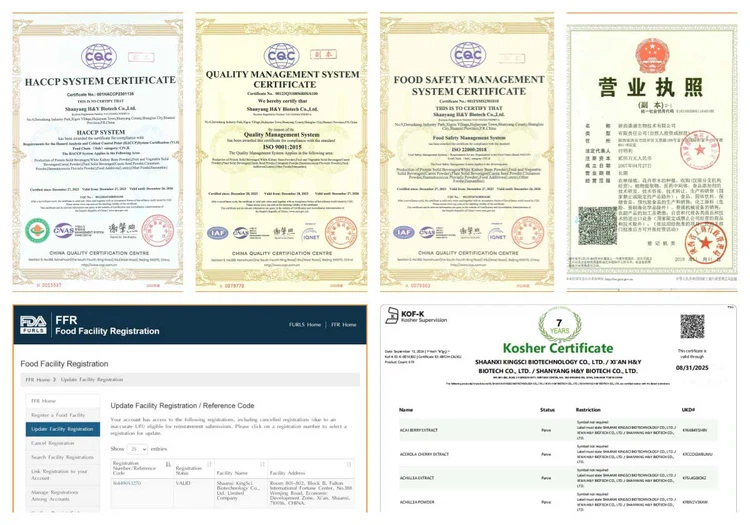
Certifications
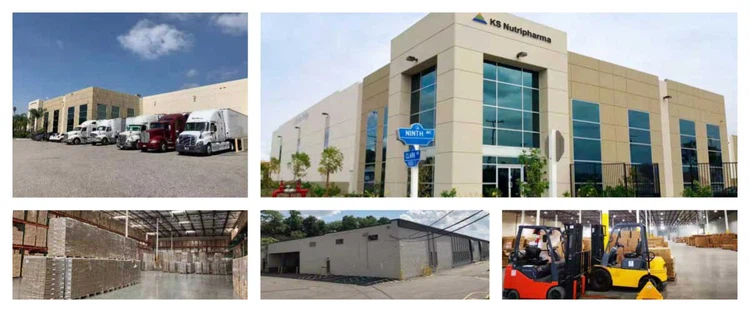
American warehouse
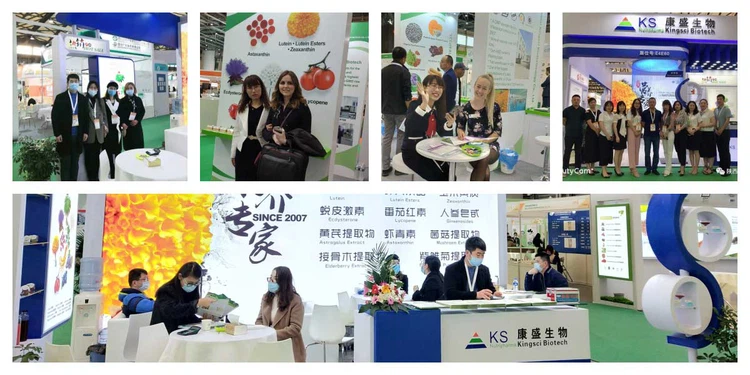
Exhibitions
Hot Tags: Wholesale Synthetic Beta Carotene, beta carotene, China, manufacturers, suppliers, factory, wholesale, price, pricelist, quotation, bulk, in stock, KOSHER, ISO, HACCP


