

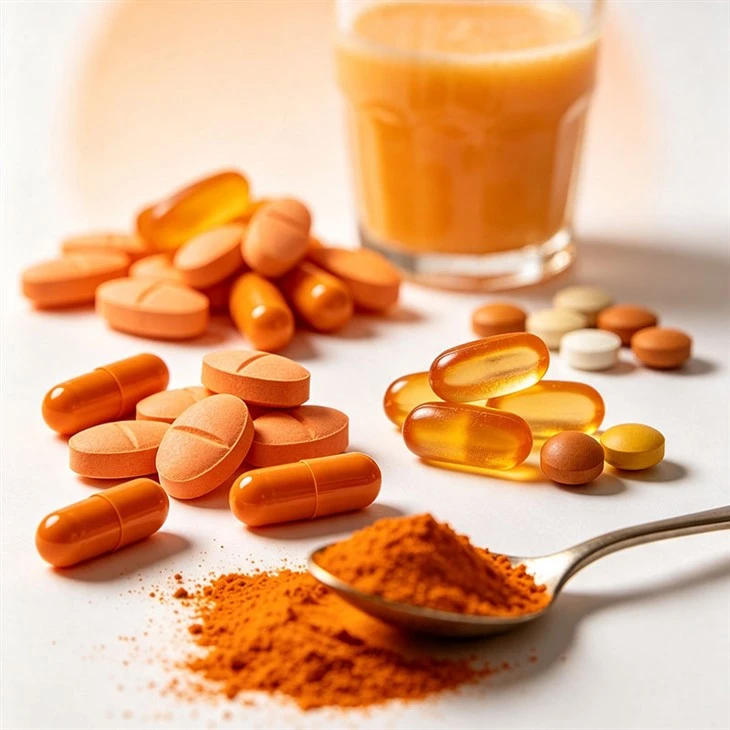
Lutein Ingredient Solutions for Different Formulation Needs
Kingsci offers various Lutein Formulations to manufacturers who are creating nutritional products, such as dietary supplements, functional foods, beverages, etc. Each of these falls under various types of formulation and dosage-form requirements and includes conventional , as well as microencapsulated, esterified, and oil-based forms.

Find the Lutein Format That Fits Your Product
Lutein demands are variable, such as the finished product, dosage form, processing conditions, and specification of the target ingredient. However, unlike using a single product for each application, manufacturers may choose a lutein product that is best suited for the formulation's intended use.
For Dry Formulations
Lutein Powder and Lutein Ester Powder are dry formulations that are suitable for tablet and capsule manufacturers, premix, sachet, and other solid nutritional product manufacturers.
For Dispersion-Focused Formulations
When dispersion and/or handling of dry ingredients are significant factors in a formulation, Lutein Microcapsule Powder can be used in a selected dry blend or in a powdered nutritional product or formulation.
To ensure safe delivery with oil-based formulations.
Lutein Oil and Lutein Ester Oil both come in an oil-based format, which is suitable for softgels and other compatible lipid-based formulations.
The importance of ingredient form.
Formulation options (free lutein, lutein ester, capsule powder, powder, or oil) should be determined in conjunction with the final product and process used.
Explore the Lutein Portfolio
Kingsci's lutein portfolio encompasses a range of different formulations, enabling manufacturers to have the flexibility to obtain various solutions from the same product category.
Lutein Powder
A standard dry lutein for manufacturers of solid nutritional products and dry formulations.
Common Formulation: Tablets, capsules, Premixes, sachets, and other dry formulations.
Lutein Microcapsule Powder
Powder application and dispersion characteristics, as well as integration into the formulation, have been considered, and an encapsulated lutein powder has been developed for such applications.
Typical Directions: Nutritional powders and dry blends, selected beverages and functional formulations.
Lutein Ester Powder
A dry lutein ester type of lutein extracted from marigold, which could be used as an alternative ingredient for manufacturers using esterified lutein.
Standard Direction: Tablets or capsules, or in the form of a pre-mix.
Lutein Oil
An oil-based lutein formulation designed for manufacturers working on product formulations that will be oil-compatible, as well as dosage forms that will be filled with oil.
Typical Direction: Softgels and some oil-based nutritional products.
Lutein Ester Oil
Oil-based form of lutein ester suitable for formulations where lutein in an esterified form is desired in a lipid-compatible delivery system.
Best Formulation: Softgels, as well as other formulations that can be mixed with oil.
Compare Lutein Ingredient Formats
|
Ingredient Format |
Physical Form |
Formulation Direction |
|
Lutein Powder |
Dry powder |
Tablets, capsules, premixes |
|
Lutein Microcapsule Powder |
Encapsulated powder |
Nutritional powders, dry blends, selected beverages |
|
Lutein Ester Powder |
Dry powder |
Tablets, capsules, solid formulations |
|
Lutein Oil |
Oil suspension |
Softgels, lipid-based products |
|
Lutein Ester Oil |
Oil suspension |
Softgels, oil-based products |
Looking for an idea of what type of format your product should be? Tell our tech team your dosage form, desired level of lutein, and formulation needs.
[Find the Right Lutein Format]
Formulation Considerations
It's not just the assay when it comes to choosing a Lutein Ingredient. The physical form and the process conditions may also impact the ingredient's suitability for the final product.
Dosage Form
Identify the final form of the product, such as powder, tablet/capsule, softgel, liquid, or other, before choosing the form of the ingredient.
Target Lutein Level
The required concentration of lutein needs to be taken into account along with the dose to be administered and the entire composition of the formulation.
Dispersion Requirements
The dispersion of the ingredient in the formulation may affect the decision to select the conventional or encapsulated formulation, for selected dry or liquid systems.
Oil Compatibility
If the formulation is based around a compatible lipid carrier or if an oil-filled delivery system is used, then it is safer to use oil-based lutein.
Processing Conditions
Filling and other manufacturing factors should be considered during ingredient selection and formulation trials, including how they are mixed, temperature is exposed to, and the conditions and temperature of filling.

From Ingredient Format to Finished Product
The type of finished product may require different solutions of Lutein Ingredients.
Tablets
Formulations of lutein for solid dosage forms that are dry.
Capsules
Ingredients for conventional capsule formulation, in powder form.
Softgels
Formulations of lutein and lutein ester in oils for use with oil-filled systems.
Nutritional Powders
Chosen to produce powdered nutritional products (dry or encapsulated lutein).
Sachets & Premixes
Portioned powder and multi-ingredient product dry ingredients for Lutein.
Functional Foods & Beverages
Identified lutein in suitable formats to meet the requirements for dispersion, processing, and product matrix.
What to Consider Before Sourcing Lutein
Selecting ingredients is just one aspect of sourcing for manufacturers. A commercial ingredient should be appropriate for the technical and supply needs of the project.
Specification
Verify the product specifications, including the form of the lutein, the level, the physical form, and other requirements.
Sample Evaluation
Ask for a sample to test and develop the formulation before mass production.
Documentation
Technical documentation can consist of COA, TDS, MSDS, stability data, and other supporting documents as required based on product and project specifications.
Supply Requirements
When going from the laboratory evaluation to commercial sourcing, the following factors should be considered: MOQ, packaging format, lead time, and expected annual volume.
Custom Requirements
When ordering in bulk, please consult the Kingsci technical team regarding the specifications needed for the project based on specific requirements such as assay, physical, packaging, and/or formulation.
From Sample Evaluation to Bulk Supply
Kingsci has a range of solutions to assist manufacturers in various stages of lutein sourcing, including finding a suitable lutein format, evaluating samples, and developing commercial specifications.
01 - Requirement Discussion
Determine the requirements, dosage form, specification for lutein and the target product.
02 - Format Selection
Determine the best lutein formulation according to direction of the formulation.
03 - Sample Evaluation
Test ingredients in the formulation and manufacturing process.
04 - Specification Confirmation
Check the end-user ingredient specification and documentation needs.
05 - Commercial Supply
Continue to source in bulk and meet agreed packaging and delivery requirements.
A Lutein Portfolio for Product Development
There are several different Lutein Formats available, and in the event that product concepts/dosage forms change, manufacturers can be able to test various ingredient solutions without having to switch suppliers.
Multiple Formats
Lutein powder, microcapsule powder, ester powder, lutein oil, and lutein ester oil.
Flexible Specifications
Various assay options are available to assess the requirements of the product.
Technical Documentation
Technical support, COA, TDS, MSDS, and stability data.
Sample to Bulk
Assistance from the initial evaluation stage to the procurement of commercial ingredients.
OEM & ODM Support
Tailored solutions offered for suitable product development work.
FAQ
What lutein ingredient formats does Kingsci supply?
Kingsci provides more than one type of lutein, such as lutein powder, lutein microcapsule powder, lutein ester powder, lutein oil, and lutein ester oil.
How do I choose between lutein powder and lutein oil?
The first thing to consider is the end format – how the end product will be presented. Powder formulations are typically used with dry formulations, and oil formulations are typically used with softgels or other compatible lipid-based formulations.
What is the difference between lutein and lutein ester?
The ingredient can be found in two different forms: lutein and lutein ester. Which one to choose is determined by the specification of the ingredient, dosage form, and formulation direction.
Is lutein microcapsule powder suitable for beverages?
Microencapsulated lutein formulations selected for their desired characteristics may be considered for powdered and beverage-based formulations, in which dispersion and processing parameters are considered. Formulation testing should be used to ensure suitability.
Can I request a lutein sample before bulk purchasing?
Yes. If you are not ready to purchase the product, you can request samples for testing and product trials.
What documents are available for lutein products?
Documentation may consist of COA, TDS, MSDS, stability data, and other technical materials as may be required for evaluation and sourcing of the product, depending on the specific product.
Tell Us What You Are Formulating
Hot Tags: lutein ingredients for different formulation needs, China, manufacturers, suppliers, factory, wholesale, price, pricelist, quotation, bulk, in stock, KOSHER, ISO, HACCP


