



What is Marigold Zeaxanthin Extract?
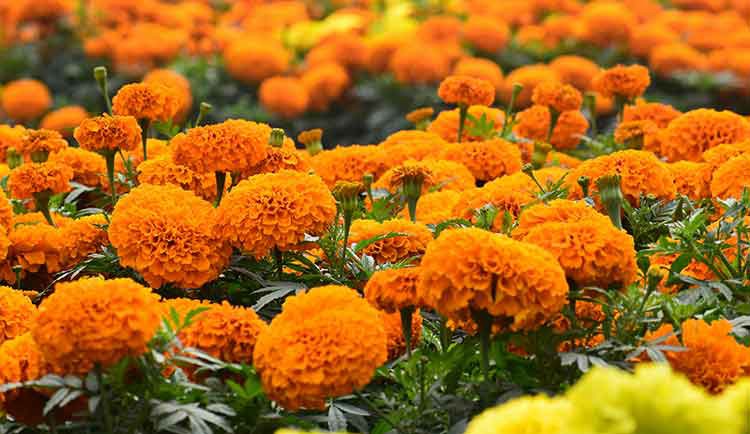
The petals of Tagetes erecta marigold flowers supply a sustainable source of zeaxanthin that forms the basis of natural Marigold Zeaxanthin Extract. The extraction process focuses on isolating as well as concentrating zeaxanthin from the extract, which produces a highly potent form of this antioxidant that is also easily bioavailable to the body. The food and cosmetic sectors, along with the nutraceutical industry, utilize it, which acquires its signature yellow-orange shade because of its advantageous properties. Zeaxanthin-rich Marigold Extract obtains great value because it supports eye health by protecting the retina and macula tissue from oxidative damage and environmental aggressors. This extract filters dangerous blue light, which enhances vision comfort and clarity among people who operate digital displays or reside under artificial light. Alongside other benefits, the extract shows antioxidant properties, which promote total health benefits.
COA
| Item | Specification | Result |
| Appearance | Orange to yellow powder | Orange powder |
| Zeaxanthin Content | 20% | 20.10% |
| Loss on Drying | ≤ 5% | 3.00% |
| Total Carotenoids | ≥ 22% | 23.40% |
| Residual Solvents (Ethanol) | ≤ 0.5% | 0.18% |
| Heavy Metals (as Pb) | ≤ 10 ppm | 4.2 ppm |
| Microbial Contamination | Total Plate Count: ≤ 1000 CFU/g | 900 CFU/g |
| Yeast & Mold: ≤ 100 CFU/g | 50 CFU/g | |
| Arsenic (As) | ≤ 1 ppm | 0.3 ppm |
| Lead (Pb) | ≤ 1 ppm | 0.6 ppm |
| Mercury (Hg) | ≤ 0.1 ppm | 0.05 ppm |
| Cadmium (Cd) | ≤ 0.1 ppm | 0.07 ppm |
| Pesticide Residues | Conforms to standards | Conforms |
Are you interested in our products? Just leave a message on this website or contact donna@kingsci.com directly to get free samples and more professional support!
Production Process
1. Raw Material Selection
The starting point focuses on choosing rich in carotenoids zeaxanthin Tagetes erecta marigold flowers of superior quality. The plant operators choose to harvest the flowers right when they reach their maximum maturity to get the most active components from them.
2. Drying and Preprocessing
After harvesting the marigold flowers, the producers need to dry them through controlled systems that lower their water content. The drying process both protects the carotenoids inside the flowers and improves the effectiveness of the extraction operation. The assessment of dried flower material after grinding processes creates larger surfaces for extraction purposes.
3. Solvent Extraction
The marigold powder combines with ethanol or acetone as a solvent for dissolving both zeaxanthin and additional carotenoids. The heated solution receives controlled stirring conditions during which the flower material releases its active compounds. Scientists usually perform the extraction process at reduced temperatures to protect it from degradation.
4. Separation and Filtration
The extraction process ends in the separation of the solvent from plant material, followed by filtration of the liquid extract until all solid particles are removed. The end extract needs to be free from contaminants during this step.
5. Concentration
The extraction liquid proceeds to concentration through vacuum-based solvent elimination, which removes the solvent from the mixture. Through this step, the extract's strength improves as its concentration strengthens while maintaining its active properties intact.
6. Standardization and Quality Control
A standardized extract concentration process checks the zeaxanthin level through mg/g measurements per gram. High-performance liquid chromatography (HPLC) represents the standard equipment for measuring compounds accurately. The extract undergoes multiple quality control assessments to verify its purity from heavy metals and pesticides, together with other potential impurities.
7. Drying and Powdering
Production of a fine powder occurs through spray or freeze drying of the standardized extract. The powdered state of this extract maintains stability and extended shelf life, so it becomes convenient for product integration throughout supplements, food items, and beauty products.
8. Packaging
Zeaxanthin Marigold receives delicate packaging through light-resistant, airtight containers, which safeguards its strength and guards against light and oxygen damage. The packaging method protects the extract from environmental contaminants as well as keeps it free from light exposure.

How to store?
Marigold Zeaxanthin Powder requires storage in a cool and dry space with shaded and heat-free conditions. Light, together with moisture and heat exposure, will damage the carotenoid components found in the extract, leading to reduced efficacy. You should keep it in tightly sealed containers that block light to protect it from oxidation while keeping its antioxidant features intact.
The temperature range from 15°C to 25°C (59°F to 77°F) represents the optimal storage condition for it. A low-humidity environment is essential because moisture absorption may result in clumped or spoiled extraction. To protect large quantities of extract over extended periods, both refrigerated and frozen storage facilities should be utilized because constant stable temperatures will protect its quality from changing factors.
The product needs to receive airtight packaging protection because moisture that seeps inside can form clumps while also damaging the ingredients. Sealed liquid extract bottles that possess airtight closures are necessary to both preserve stability and stop contamination from occurring.

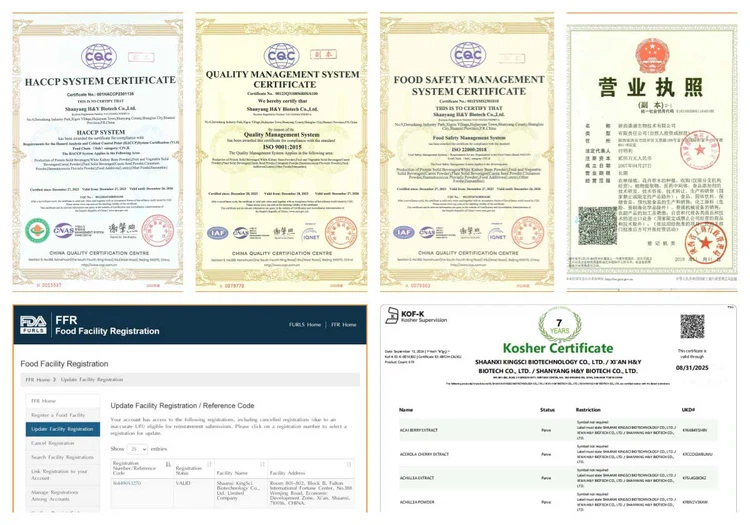
Certifications
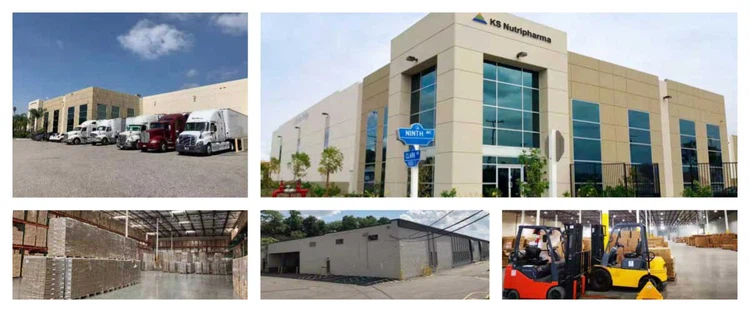
American warehouse
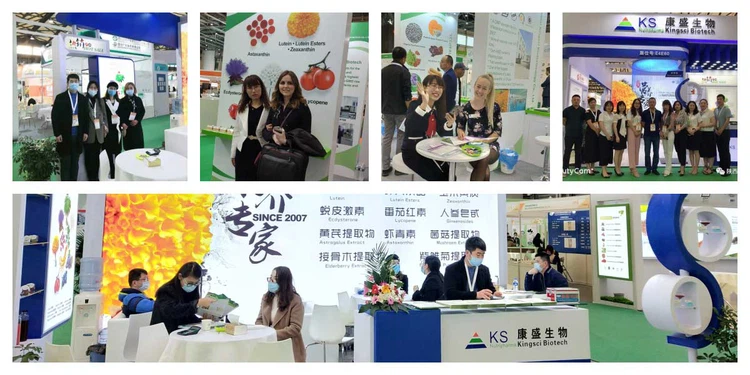
Exhibitions
Hot Tags: Marigold Zeaxanthin Extract, zeaxanthin powder, manufacturers, suppliers, factory, wholesale, price, pricelist, quotation, bulk, in stock, KOSHER, ISO, HACCP


