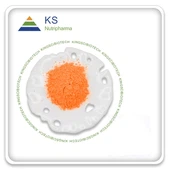
What is White Willow Bark Powder?
White Willow Bark Powder is a natural botanical raw material that is obtained by drying the bark of the white willow (Salix alba) and then finely milling it, without the concentration and standardization processes that are normally used for making extracts. It is a minimally processed ingredient of the bark that maintains the natural proportions of salicylates, polyphenols, flavonoids, tannins, and naturally-occurring dietary plant constituents. It is considered authentic, clean-label, and ideal for those manufacturers who prefer whole-herb products as opposed to extracts. It is also easy to formulate with various production systems and has a very fine particle size and is suitable for capsules, tablets, and herbal blends as well as for tea preparations and other botanicals. The fact that many brands choose it when creating products with a focus on traditional plant sourcing, minimally processed ingredients, and a clear botanical label is enough to tell you that it's a popular choice when they want to highlight their traditional plant sourcing and clear botanical labelling. With proven supply chains and advanced quality control systems, it is an ideal botanical option for nutraceutical, functional food, and natural product companies seeking to add to their product lines with familiar plant-based ingredients.

COA
| Item | Specification | Result |
| Product Name | White Willow Bark Extract Powder | White Willow Bark Extract Powder |
| Botanical Name | Salix alba L. | Salix alba L. |
| Plant Part Used | Bark | Bark |
| Appearance | Fine Brown to Light Yellow Powder | Brown Fine Powder |
| Odor | Characteristic Botanical Odor | Complies |
| Taste | Characteristic Botanical Taste | Complies |
| Particle Size | 80–100 Mesh | 95% Pass |
| Salicin Content (HPLC) | ≥15.0% | 15.80% |
| Moisture | ≤5.0% | 3.20% |
| Ash | ≤5.0% | 2.60% |
| Heavy Metals | ≤10 ppm | Complies |
| Lead (Pb) | ≤3.0 ppm | 0.45 ppm |
| Arsenic (As) | ≤2.0 ppm | 0.18 ppm |
| Cadmium (Cd) | ≤1.0 ppm | 0.12 ppm |
| Mercury (Hg) | ≤0.1 ppm | <0.05 ppm |
| Total Plate Count | ≤10,000 CFU/g | 1,200 CFU/g |
| Yeast & Mold | ≤1,000 CFU/g | 120 CFU/g |
| E. coli | Negative | Negative |
Looking for bulk supply or product details?
Request A Free Sample or Bulk Quote to get COA, pricing, and fast delivery options.
Recommended Dosage
The amount of Willow Bark Powder is usually calculated based on the natural salicin content of the product, not the weight of the powder itself, when formulating products. For commercial use such as nutraceuticals and botanicals, manufacturers often choose to include ingredients of white willow in their products to deliver approximately 60–240 mg of salicin in every 60 mL/day of dosage form consumed. This dosage range is based on the amount in the product formulation, product positioning, target market, and finished dosage form. The rate of inclusion can vary greatly between different batches of, and different suppliers of, as salicin levels vary naturally in the powder. Therefore, the dosage level of the product is usually determined from a proven analytical result and a standardised specification of the raw material supplied. If added to capsules, tablets, functional powder, herbal formulation, or other botanical formulation, use levels need to be determined with formulation evaluation, stability testing, and the appropriate regulatory review. Finished product recommendations, labeling statements, and serving sizes should meet the local legislation, industry standards, and local product regulations of the countries of manufacture, marketing, or distribution.
Application
1. Nutraceutical Industry
It is extensively used as a botanical ingredient in capsules, tablets, powdered supplements, and sachets. It is sometimes added to herbal blends or lines of herbal products that utilize only natural ingredients and traditional botanical roots.
2. Functional Food Industry
It is used by food manufacturers for functional food concepts such as nutrition mixes, wellness powders, and specialty food formulations where a significant part of the product originates from plants, and is used to differentiate or 'clean label' the product.
3. Herbal Tea and Infusion Industry
It is a naturally derived bark and is a popular addition to herbal tea blends, herbal teas, and dried botanical blends. It can be used with other herbs and makes an adaptable herb to make custom tea blends.
4. Beverage Industry
The powder may be used in selected beverage applications such as instant drink mixes, botanical drink bases, etc. As per different processing needs, the size of the ingredients might be customized by the ingredient suppliers.
5. Cosmetic and Personal Care Industry
It is included in some cosmetic and personal care products, where botanicals are desirable for products that are natural-inspired. May be used in masks, powders, cleansing products, and other plant-based products based on the product design needs.
6. Botanical Ingredient and Contract Manufacturing Industry
White Willow Bark Extract Powder is also commonly used as a raw material in the private-label production and formulation by contract manufacturers. It is versatile for different dosage forms and manufacturing processes, which allows it to be used in a multitude of OEM and ODM projects for international markets.

Safety
Powdered Willow Bark has a long history of use in traditional products made from plants and in commercial products and is generally recognized as a botanical ingredient. It has a long history of safe use and published toxicological evaluations of its naturally-occurring ingredients, and is used in the global botanical ingredients markets. It is a whole-bark powder that is not concentrated with salicylates, polyphenols, flavonoids, or tannins. The ingredient generally has fairly low allergen content, is physically stable, and has good formulation compatibility when compared with many other food-derived ingredients. It is regularly tested with industry quality control standards to help ensure consistency and safety of the product, covering identity testing, microbiological testing, heavy metal limits, and contaminant specifications. If applied according to the product specifications and regulatory standards outlined in the product, it is a highly tolerated botanical raw material used throughout the world for nutraceutical, functional food, herbal, and personal care applications.
Certifications
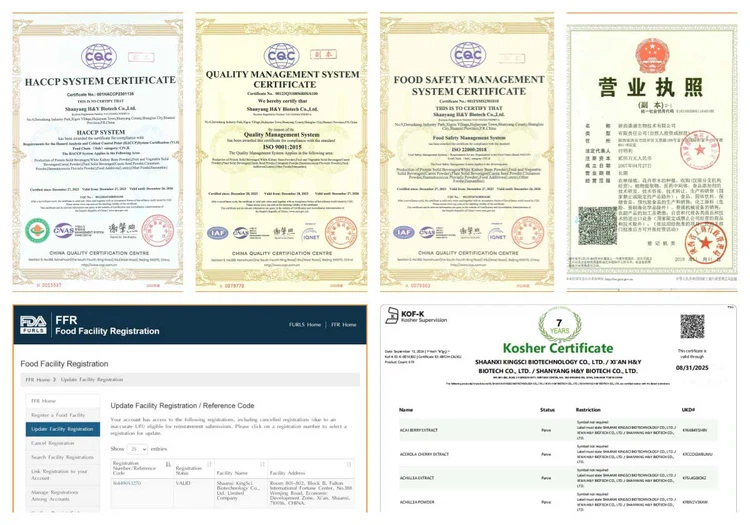
American warehouse

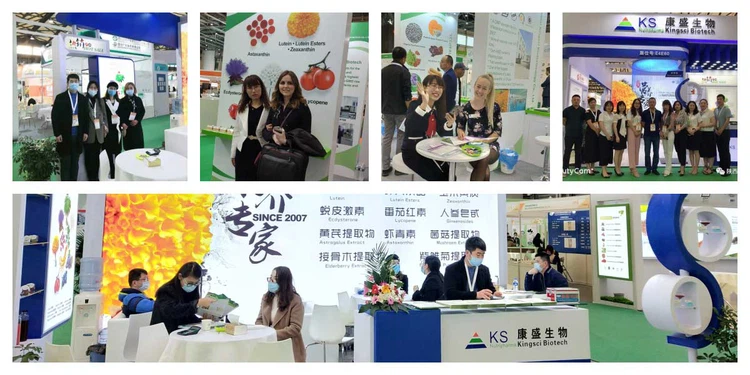
Exhibitions
Hot Tags: white willow bark powder,white willow bark extract powder, China, manufacturers, suppliers, factory, wholesale, price, quotation, bulk, in stock, KOSHER, ISO, HACCP