


What is Magnolia Extract?
Magnolia Extract is a highly concentrated botanical ingredient extracted from the bark of Magnolia officinalis through a carefully controlled process that preserves the active components that are naturally present once the bark extract is produced. These are essentially honokiol and magnolol. Long used as part of traditional herbal systems, this extract has more recently been exploited in modern product development of the nutraceutical, functional wellness, and personal care sectors. It is usually provided as a refined, solvent-extracted material with a specific active load and targeted to provide calculated performance in industrial-scale formulations. It is a universal product to use by the brands that want natural, well-researched vegetal actives, with stress-reducing, relaxing, and antioxidant effects. Its lipid-soluble nature, along with a firm molecular structure, ensures that it can fit in a wide array of delivery systems, such as emulsions, solid dose delivery mechanisms, botanical complexes, and topical delivery forms. It can be used as a functional ingredient, and manufacturers appreciate its capability of providing functionalities without synthetic additives, thus facilitating a clean-label and high-end product line.

COA
| Item | Specification | Result |
| Appearance | White to off white powder | Conforms |
| Odor & Taste | Characteristic, slightly bitter | Conforms |
| Honokiol &Magnolol | 98% | Conforms |
| Moisture Content | ≤5.0% | 3.40% |
| Ash Content | ≤5.0% | 2.80% |
| Particle Size | 100% pass 80 mesh | Conforms |
| Bulk Density | 0.45–0.65 g/mL | 0.53 g/mL |
| Heavy Metals | ≤10 ppm | <5.0 ppm |
| Lead (Pb) | ≤2 ppm | <0.5 ppm |
| Arsenic (As) | ≤1 ppm | <0.3 ppm |
| Cadmium (Cd) | ≤1 ppm | <0.1 ppm |
| Mercury (Hg) | ≤0.1 ppm | <0.01 ppm |
| Total Plate Count | ≤3,000 cfu/g | <500 cfu/g |
| Yeast & Mold | ≤300 cfu/g | <50 cfu/g |
| E. coli | Negative | Negative |
| Salmonella | Negative | Negative |
Are you interested in our products? Just leave a message on this website or contact donna@kingsci.com directly to get free samples and more professional support!
Main Ingredients
Magnolia Officinalis Extract has a variety of naturally occurring bioactive compounds, among the most prevalent and those with significant and most known bioactivity functions include honokiol and magnolol. These two polyphenolic lignans are the major contributors to the fundamental action effects of this extract, such as stress management, antioxidant support, and emotional well-being. Besides, honokiol in particular would be argued as the major active ingredient due to its high efficacy and wider usage prospects in different nutraceutical and cosmetic products. Both magnolol and honokiol are lipophilic, and hence, they can be easily absorbed and increase bioavailability in different delivery applications. Their synergistic properties enhance the use of the extract as a relaxation aid, calming agent, and antioxidant, so they are critical standards to standardize its deployment as a supplement ingredient to formulations and sold in personal care and functional wellness markets.
Process
The high-quality Magnolia officinalis bark can be used, which is mostly provided by certified regions and is subject to visual, moisture, and identity tests to ensure that it is of GMP and quality standards.
2. Crushing and Milling
The dried barks are mechanically pulverized and ground into smaller granules to enhance the rate of surface area and efficiency of extraction.
3. Solvent Extraction
After siphoning off the solvent, the solvent extraction of the powdered bark is performed to extract the active components, usually under controlled temperature and time conditions in either ethanol or a water-ethanol mixture to isolate the active components, predominantly honokiol and magnolol.
4. Filtration and Separation
The extract solution is filtered to separate insoluble plant residues and process a clear extract liquid downstream.
5. Concentration
The extract made under reduced pressure is concentrated (vacuum concentration) to limit the amount of solvent when all the bioactive components are to be retained.
6. Drying
The enriched extract is then dried either through the spray drying or the vacuum drying process to produce a fine, stable powder with the desired moisture content.
7. Sieving and Blending
The dried steam is sieved so as to have a uniform particle size, and it can be mixed with excipients (should the need arise) to suit a particular flow or formulation need.
8. Packaging and Final QC
The completed Magnolia Bark Extract is then placed (under cleanroom conditions) in airtight containers of food-grade material, and final quality control testing (assay, microbial load, heavy metals, and solvent residue testing) is performed to certify that products meet product specifications as well as governmental regulations.

Suitable For
Magnolia Bark Extract Powder can be consumed by grown-ups who need natural substances to improve their stress, relaxation, and emotional stability. It is widely used in formulas targeting people with inconveniences in their sleep patterns, signs of mental weariness on their side, or excessive amounts of pressure in their day-to-day lives. It can be used as a botanical ingredient, which attracts health-sensitive consumers supporting a plant-based, non-synthetic approach to wellness in general. It is already widely used in products aimed at targeting professionals, active thus, and wellness-seekers of different items that can help sustain the balance of the mind and body.
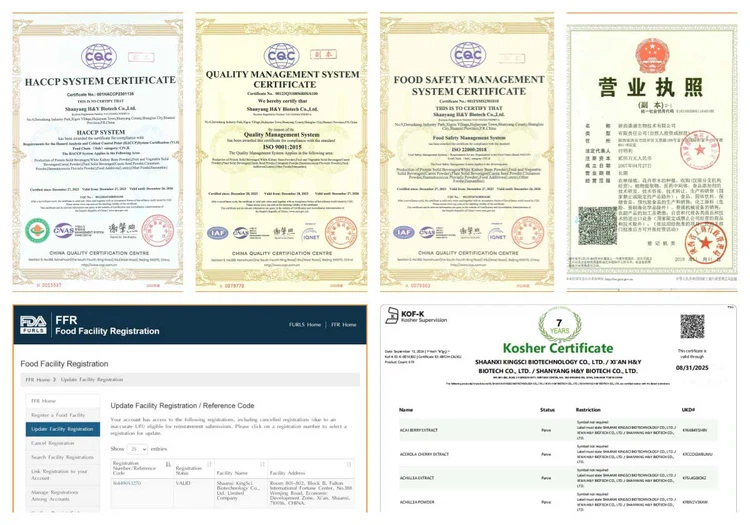
Certifications
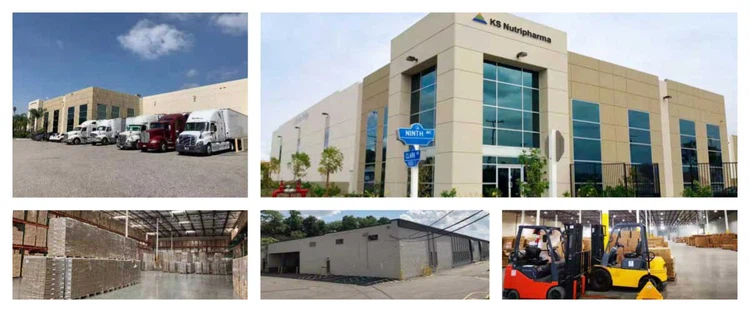
American warehouse
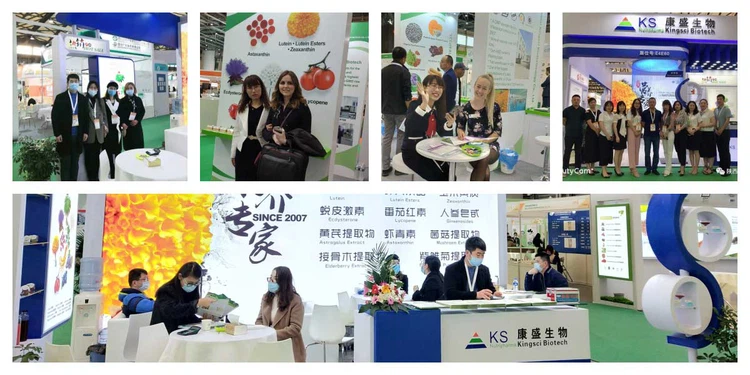
Exhibitions
Hot Tags: magnolia extract, China, manufacturers, suppliers, factory, wholesale, price, pricelist, quotation, bulk, in stock, KOSHER, ISO, HACCP


