

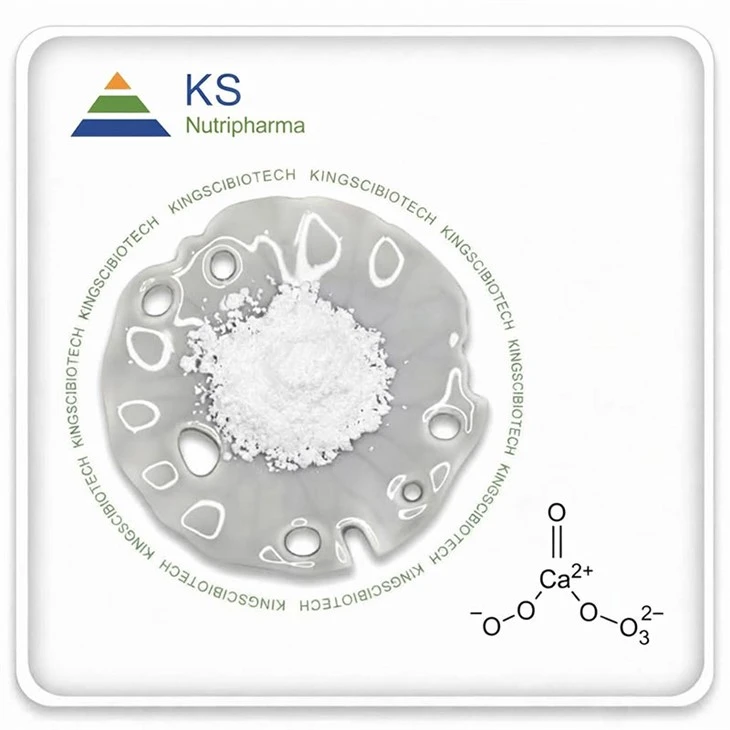
What is Calcium Carbonate Powder Bulk?
Calcium Carbonate Powder Bulk is the calcium carbonate that is sold in bulk for commercial use in formulation development, distribution, and continuous manufacture, but is not sold in consumer-sized packs. Bulk purchasing is particularly useful in professional ingredient sourcing, where manufacturers can select materials for their production needs after an initial evaluation, and then transition to bulk orders once the products are approved. When placing a commercial order, buyers usually have to verify with the supplier the specifications, quantity, packaging, and related documents that are needed. CaCO3 powder bulk can be provided in standard or special sizes according to the processing needs and quality requirements of the user. Packaging may also be organized by shipment size and handling requirements, and batch identification and related quality documents facilitate the internal purchasing and quality-control processes. Having a dependable bulk supply chain in place can make it easier for manufacturers to buy raw materials and ensure that each production batch has a consistent quality. Kingsci provides calcium carbonate powder to customers from around the world, at every stage from sample evaluation and specification confirmation to the commercial-volume order and continued supply of the ingredient.
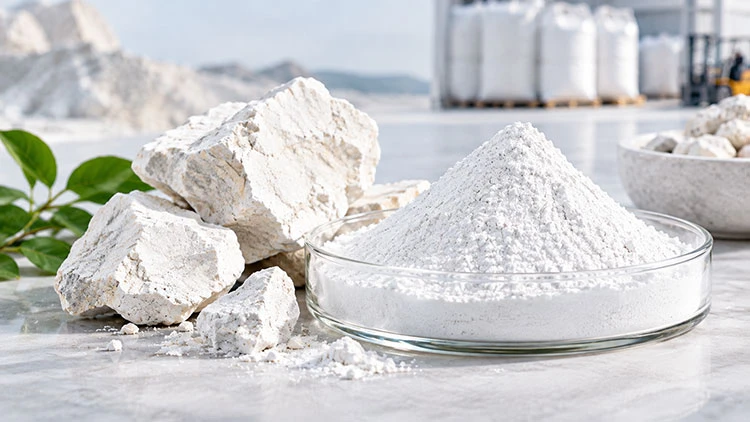
COA
| Item | Specification | Result |
| Appearance | White to off-white fine powder | White fine powder |
| Identification | Positive | Positive |
| Assay (CaCO₃) | ≥ 98.0% | 99.20% |
| Loss on Drying | ≤ 1.0% | 0.32% |
| pH | 8.0–10.0 | 9.1 |
| Particle Size | As per specification | 95% Pass 80 Mesh |
| Heavy Metals | ||
| Test Item | Specification | Result |
| Lead (Pb) | ≤ 2.0 ppm | 0.18 ppm |
| Arsenic (As) | ≤ 2.0 ppm | 0.09 ppm |
| Cadmium (Cd) | ≤ 1.0 ppm | 0.05 ppm |
| Mercury (Hg) | ≤ 0.1 ppm | <0.01 ppm |
| Microbiological Specifications | ||
| Test Item | Specification | Result |
| Total Plate Count | ≤ 1,000 CFU/g | 120 CFU/g |
| Yeast & Mold | ≤ 100 CFU/g | <10 CFU/g |
| E. coli | Negative / 10 g | Negative |
| Salmonella | Negative / 25 g | Negative |
Are you interested in our products? Just contact us directly or email donna.zh@kingsci.com to obtain further information and free samples!
Features
Calcium Carbonate Powder has a number of unique physical and chemical properties that can be important to the formulation development and process design. CaCO₃ is a low water-soluble inorganic alkali substance; its chemical reactivity will be enhanced in an acidic environment, in which it can react with acids and release CO₂. This is an important factor to consider when formulating with pH-sensitive components or acidic ingredients. Physically, calcium carbonate is usually a white to off-white powder, where particle size and particle-size distribution would affect dispersion, flow, packing density, blending characteristics, and the texture of the final product. This is because, due to its mineral density, it also has an effect on weighing, volumetric filling, and powder handling in comparison with low mineral density ingredients. Moisture control and particle-size selection may be more of an issue for formulators in terms of reducing the tendency of agglomeration and ensuring uniform powder processing. Thermal behavior also should be considered because calcium carbonate does not act as an indefinitely stable mineral in high-heat environments, but decomposes under high temperatures. The characteristics described above make the following parameters of interest as technical data for choosing a grade for a given formulation: particle size, purity, moisture, bulk density, and processing conditions.
How to Store Calcium Carbonate Powder After Bulk Purchase?
1. Keep in a Dry Storage Area
Make sure that the sealed product is stored in a clean, dry warehouse and avoid high humidity. Moisture control is important to ensure that the powder retains its original handling qualities during storage.
2. Keep the Original Packaging Sealed
The product is packaged in proper standard packages by Kingsci. Ensure the packaging remains intact until the material is needed for production, and any opened package is sealed after use.
3. Avoid Direct Water or Moisture Exposure
Avoid contact with water, condensation, wet surfaces, and places with large changes in humidity. Avoid storing material where there is a possibility of unintended contact with water.
4. Maintain Suitable Warehouse Conditions
Cooling is usually sufficient in an indoor environment. Do not place in direct sunlight, in areas of high temperature, or where the temperature changes greatly.
5. Store Off the Floor
Store packaged material on appropriate pallets or shelving, and not on the ground. This minimizes contact with moisture on the floor and makes stock handling easy, tidy, and safe.
6. Separate From Incompatible Materials
Keep away from strong acids and other materials that will react with CaCO3 Powder. Store according to instructions on the product label.
7. Follow FIFO Inventory Management
In normal manufacturing operations, adopt a "first-in, first-out" inventory management policy, and inspect the package integrity prior to transferring material into production.
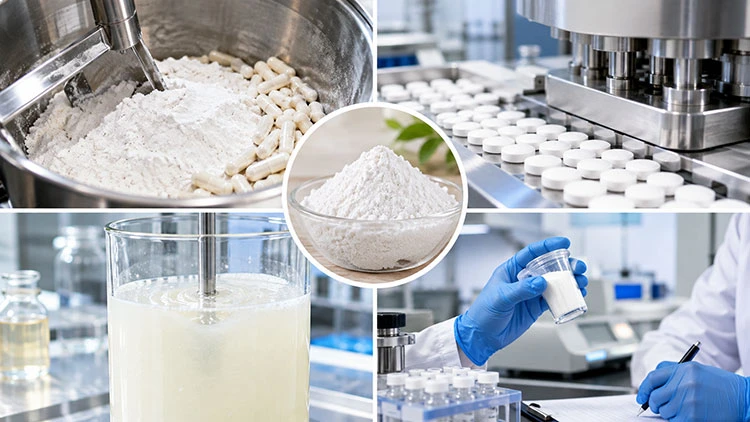
Recommended Use
1. Capsules - Pre-Blending for Uniform Filling
Mix Pure Calcium Carbonate Powder with the other dry excipients before capsule filling. Match particles when possible, and minimize segregation and mixing time to ensure consistent fill weight.
2. Tablets - Controlled Dry Mixing and Compression
Make sure to gradually add it – while dry blending – to help ensure good distribution in the formulation. During tablet formulation, the flow and compression properties, as well as tablet hardness, friability, and disintegration, should be measured and modified to suit the excipient system.
3. Liquid Formulations - Suspension-Based Processing
It is not very soluble in water and, therefore, is typically used in a dispersed suspension rather than as a dissolved ingredient. Appropriate components to suspend or disperse, pre-dispersion, and controlled agitation can help to assure uniformity during processing and filling.
4. Processing Tip - Validate at Pilot Scale
Verify the correct order and method of addition, mixing conditions, ingredient compatibility, and processing time in pilot-scale tests prior to commitment for all dosage forms. The final formulation parameters should be determined based on the finished product specification and application requirements.
FAQ
1. What does Calcium Carbonate Powder Bulk mean?
It is calcium carbonate sold in industrial amounts to industrial users such as manufacturers and distributors, or anyone else who buys it for industrial use, not small consumer packs.
2. What packaging is used for bulk Calcium Carbonate Powder?
Packaged in a professionally sealed package for safe bulk handling, storage, and transport. Packaging can be confirmed based on the order requirements.
3. What is the MOQ for Calcium Carbonate Powder Bulk?
This minimum order quantity is based on the product specification, package size, and requirements of purchase. Kingsci can guarantee the applicable MOQ before ordering.
4. Can Calcium Carbonate Powder Bulk be supplied for repeat orders?
Yes. Bulk supply can provide ongoing procurement for manufacturers who need continuous delivery of raw materials for their production programmes.
5. How should bulk orders be arranged with Kingsci?
They can state the specification they need, the quantity they require, their packaging preference, and where the package is to be sent. Kingsci will then be able to arrange the necessary supply and shipping.
Certifications
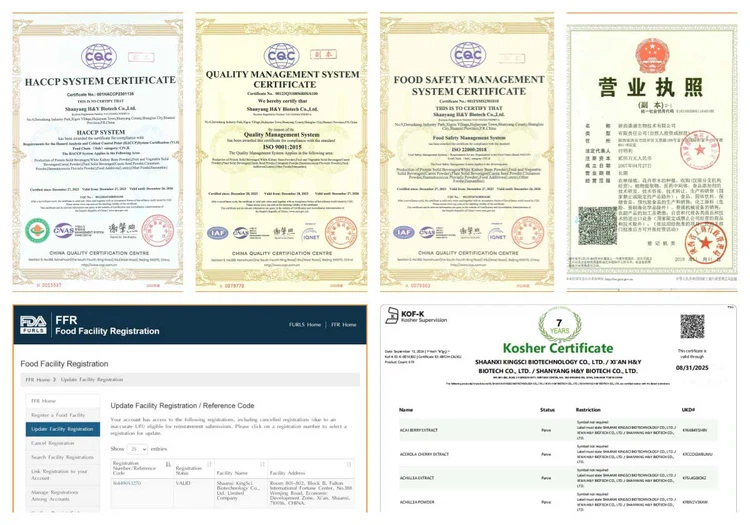
American warehouse

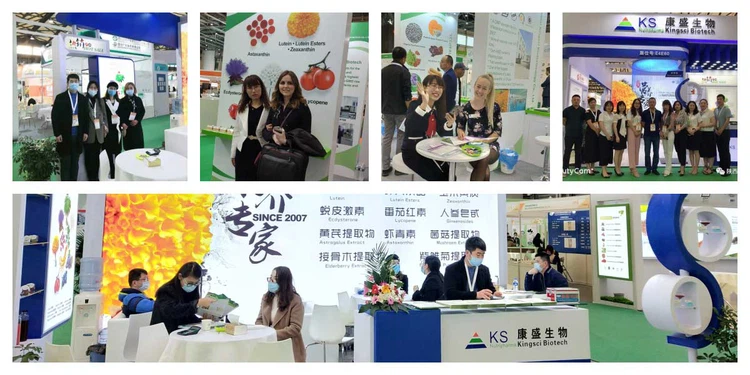
Exhibitions
Hot Tags: calcium carbonate powder bulk, China, manufacturers, suppliers, factory, wholesale, price, pricelist, quotation, bulk, in stock, KOSHER, ISO, HACCP


