


What is Rhodiola Rosea Root Extract?
Rhodiola Rosea Root Extract is a high-quality concentrated extract derived from the root of the herb Rhodiola rosea, which is commonly used in the worldwide nutraceutical and functional ingredient market. The raw botanical material, which is subject to extraction and a purification process, transforms its consistency, and the standardization of the extract enables a commercial formulation and large-scale manufacturing applications to be specified. It is typically provided as a powder, and can be customized to provide any extract ratio or active marker that is required by the dietary supplement manufacturer, functional beverage developer, contract production facility, or private label brand to meet their technical needs. It has a number of advantages with regard to processing, and it is a well-suited ingredient in a wide range of modern formulation systems that can be used in mainstream adult wellness products, such as capsules and tablets, stick packs, gummies, powdered drink mixes, and botanical compound blends. As demand for traceable plant material and clean-label product concepts grows, it will remain a lucrative commercial product in OEM manufacturing, export ingredient trading, and for diversified formulation applications in botanicals.

COA
| Item | Specification | Test Method | Result |
| Product Name | Rhodiola Rosea Root Extract Powder | Visual | Complies |
| Botanical Source | Rhodiola rosea L. | TLC / Botanical Identification | Complies |
| Part Used | Root | Visual | Complies |
| Active Ingredient | Rosavins / Salidroside | HPLC | Complies |
| Specification | Rosavins 3%, Salidroside 1% | HPLC | Complies |
| Appearance | Brown to reddish-brown fine powder | Visual | Complies |
| Odor & Taste | Characteristic | Organoleptic | Complies |
| Particle Size | 95% Pass 80 Mesh | USP <786> | Complies |
| Loss on Drying | ≤ 5.0% | USP <731> | 3.12% |
| Ash Content | ≤ 5.0% | USP <281> | 2.46% |
| Bulk Density | 0.40 – 0.65 g/ml | USP Method | 0.53 g/ml |
| Extract Ratio | 10:01 | Gravimetric Method | Complies |
| Solubility | Partially soluble in water | Visual | Complies |
| Heavy Metals | ≤ 10 ppm | USP <233> | Complies |
| Total Plate Count | ≤ 1,000 CFU/g | USP <2021> | < 100 CFU/g |
| Yeast & Mold | ≤ 100 CFU/g | USP <2021> | < 10 CFU/g |
| E. coli | Negative | USP <2022> | Negative |
| Salmonella | Negative | USP <2022> | Negative |
| Staphylococcus aureus | Negative | USP <2022> | Negative |
| Pesticide Residue | Meets USP / EU Standards | GC-MS | Complies |
| Storage | Store in a cool, dry place away from direct sunlight | Internal Standard | Complies |
| Shelf Life | 24 Months | Internal Standard | Complies |
| Packaging | 25 kg/drum | Internal Standard | Complies |
Request A Free Sample or Bulk Quote to get COA, pricing, and fast delivery options.
Recommended Dosage
For commercial nutraceutical and functional formulation applications, Rhodiola Rosea Extract is typically included at various usage concentrations depending on the concentration of the active marker(s), the formulation designed, and the regional regulatory requirements. When using standardized extracts with rosavins and salidroside, many manufacturers will aim for a final product daily dose of between 100 mg and 600 mg extract, and the higher the potency, the lower the inclusion level will be (due to the concentration of active compounds present and the positioning of the product). For industrial products, a formulation team usually determines the dosage by using a standardised marker, not the weight of the raw extract alone, to ensure uniformity of the product batches and to ensure label accuracy in what it claims to contain, from capsules to tablets, gummies, beverage powder, and botanical blends. Final formulation, labeling, and serving recommendations should be reviewed according to the local regulatory requirements, technical documentation, and professional compliance standards before commercial distribution, as these may vary in different countries and market categories, as well as in regard to the claims used and the use of ingredients.
Application
1. Dietary Supplement Industry
It is a popular ingredient in capsules, tablets, powdered supplements, softgels, and gummies in botanical and plant-based formulations.
2. Functional Food Industry
The extract is used in the manufacture of nutrition bars, powdered botanical food blends, instant drinks, and other value-added food formulations that call for botanical ingredients.
3. Functional Beverage Industry
Formulation compatibility makes it a popular ingredient in ready-to-mix beverages, herbal drink concentrates, tea blends, and drink systems with a wellness focus.
4. Sports Nutrition Industry
It is often found in active lifestyle and performance nutritional supplements mixed with amino acids, vitamins, or botanical mixtures.
5. OEM and Private Label Manufacturing
Contract manufacturers incorporate the extract into their own formulations and supply specifications tailored to the needs of global brands that need flexibility in the formulations and production volumes to support private labelling and/or scalable production.
6. Botanical Raw Material Supply Industry
Rhodiola Rhizome Extract is sold as a commercial raw material from a plant extract to international nutraceutical, food, and formulation companies by bulk ingredient suppliers.
7. Natural Personal Care Industry
Botanical source-derived cosmetic and personal care formulas, including masks, creams, and skin care formulations that emphasize concepts with botanicals containing the extract.
8. Herbal Compound Formulation Industry
The extract is frequently used in multi-component herbal formulations created for different types of consumer products and market needs in various parts of the world.

Safety
Rhodiola Root Extract is a commonly employed botanical ingredient in the global botanical ingredient industry, and is generally considered to be a safe plant-based raw material used within normal commercial formulation ranges. A good supplier would also check for identity verification, microbiological analysis, heavy metal testing, pesticide residue testing, and residual solvent testing to verify that the extract meets the international quality specifications for use in nutraceuticals and functional products from an industrial safety standpoint. Routine toxicological review and stability assessment procedures are often employed to assess extracts made in ISO- and cGMP-certified facilities, which can be used to provide batch consistency and safety for exports. The ingredient is also highly sought after, particularly in commercial formulations, due to its relatively low allergen risk and wide capsule, tablet, beverage powder, gummy, and botanical formulation compatibility. To ensure that formulation design, labelling, and usage levels are suitable for compliance constraints and product categories in different markets, manufacturers typically suggest that formulation design, labelling, and usage levels be reviewed based on compliance constraints and product categories in the different markets prior to commercializing on a large scale.
Certifications
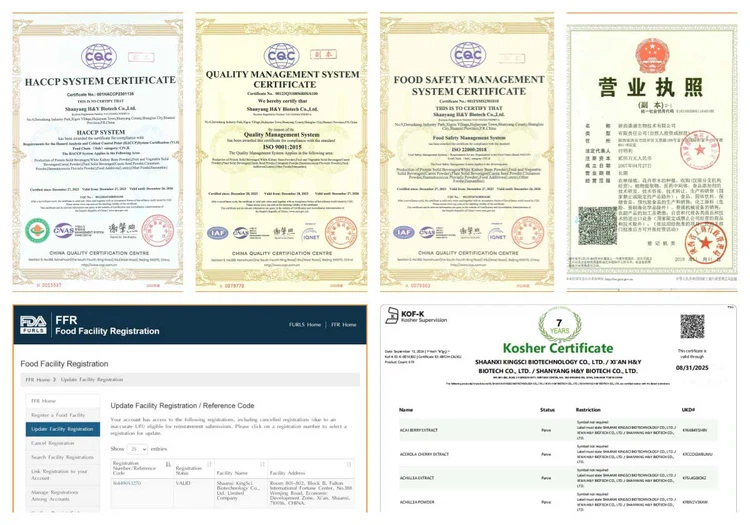
American warehouse

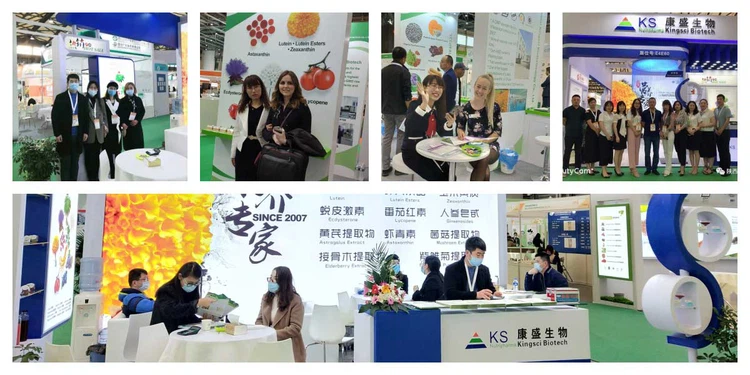
Exhibitions
Hot Tags: rhodiola rosea root extract, China, manufacturers, suppliers, factory, wholesale, price, pricelist, quotation, bulk, in stock, KOSHER, ISO, HACCP


