


What is Pink Pitaya Powder?
A commercially dehydrated and powdered fruit ingredient, Pink Pitaya Powder is a result of draining the fruit of red dragon fruit using industrial dehydration and powder conversion technology, which is able to retain the original fruit composition derived from plants, as well as the pigmentation and flavour of the fruit. It is extensively used as a multipurpose raw material for various food and beverage formulations, bakery, confectionery, dairy-like, and nutritional applications, thanks to its aesthetic qualities, natural colour spectrum, and its compatibility with a wide range of formulations. The powder is usually made from carefully selected ingredients with high colour and stable maturity, which are then processed into a fine and free-flowing powder to facilitate large-scale industrial processing or automation. It has a natural bright reddish-purple colour which is particularly beneficial for manufacturers interested in developing fruit-based products as alternatives to artificial colouring agents or clean label and nature-inspired product positioning strategies. It can be consumed in dry combination, instant beverage systems, smoothie bases, frozen desserts, fruit snacks, powdered nutrition systems, bakery fillings, cereal applications and innovative plant-based systems.

COA
| Item | Specification | Result |
| Product Name | Red Dragon Fruit Powder | Complies |
| Botanical Name | Hylocereus polyrhizus | Complies |
| Plant Part Used | Fruit | Complies |
| Appearance | Purple Red to Reddish Pink Fine Powder | Complies |
| Odor & Taste | Characteristic | Complies |
| Particle Size | 95% Pass 80 Mesh | Complies |
| Loss on Drying | ≤ 5.0% | 3.20% |
| Ash Content | ≤ 5.0% | 2.10% |
| Bulk Density | 0.40 – 0.65 g/ml | 0.52 g/ml |
| Extract Ratio | 10:1 / Juice Powder | Complies |
| Betacyanins | ≥ 1.0% | 1.18% |
| Total Plate Count | ≤ 10,000 CFU/g | < 1,000 CFU/g |
| Yeast & Mold | ≤ 100 CFU/g | < 10 CFU/g |
| Coliform | ≤ 10 CFU/g | < 10 CFU/g |
| E. coli | Negative | Negative |
| Salmonella | Negative | Negative |
Looking for bulk supply or product details?
Request A Free Sample or Bulk Quote to get COA, pricing, and fast delivery options.
Recommended Dosage
In commercial products, the recommended use rate of Red Pitaya Powder has usually been based on the amount of natural pigments (e.g., betalains) to be treated, the type of treatment, and the application category. Typical use levels of 1 to 10% of the total formulation are common in most food, beverage, and nutritional products; however, lower levels may be used in a color-based system for high concentration to achieve the color in the formulation and for product positioning. Manufacturers may modify dosages based on different product specifications, such as colour intensity, solubility, processing stability and flavour balance, to suit the product and its formulation, for powdered drinks, smoothie drinks, confectionery products, bakery products, dairy products and plant-based products. Lower addition levels to the feed may be necessary with freeze-dried powders with higher natural solid content than standard spray-dried powders, which contain carrier materials, such as maltodextrin. Pilot-scale testing is generally suggested to fine-tune the product performance for a variety of processing conditions and ingredient systems for product development. Commercial buyers should also verify that the required end-use is in accordance with the local food regulations, labelling requirements and import specifications as well as the industry-specific formulation guidelines in the target country or product category - there may be some differences between countries or groups of products.
Application
1. Food Manufacturing Industry
It is used in the manufacture of processed foods like bakery blends, fillings and confections, cereal blends, fruit snacks, dessert mixes, and powdered recipe systems where natural fruit identification and colour are a formulation component.
2. Beverage Industry
The powder is often used in beverage formulations like smoothies, fruit drinks, instant beverage powders, flavored hydration products, and specialty beverage formulations to help promote visualization and fruit positioning in beverage applications.
3. Nutritional Product Industry
It is often used in nutraceutical powders, meal replacement products, plant-based products, and lifestyle products that demand fruit-based products with a high color value and formulation versatility.
4. Dairy and Dairy-Alternative Industry
It is used in yogurt products, flavored milk, frozen desserts, and non-dairy product applications to assist with color uniformity, fruit flavor ideas, and positioning as premium products.
5. Confectionery and Snack Industry
The powder is used by manufacturers for gummies, chewy candies, coated snacks, fruit flavoring for fillings, and decorative uses where natural sources of coloring agents are preferred over synthetic sources.
6. Cosmetic and Personal Care Industry
Certain personal care brands use it in their products that focus on natural ingredients in their product concepts and/or fruit-based ingredients in their beauty products, including facial masks, cleansing products, and product concepts.
7. Foodservice and Catering Industry
The powder is utilized in commercial kitchens, beverage companies, and dessert companies in special menu development, colorful beverage ideas, dessert decoration, and seasonal product innovation projects.
8. Private Label and Functional Ingredient Industry
Many private-label brands and ingredient solution companies use Red Dragon Fruit Powder in their unique and specific products that are formulated for retail-ready powdered products, export-grade ingredient systems, and clean-label product lines.

Safety
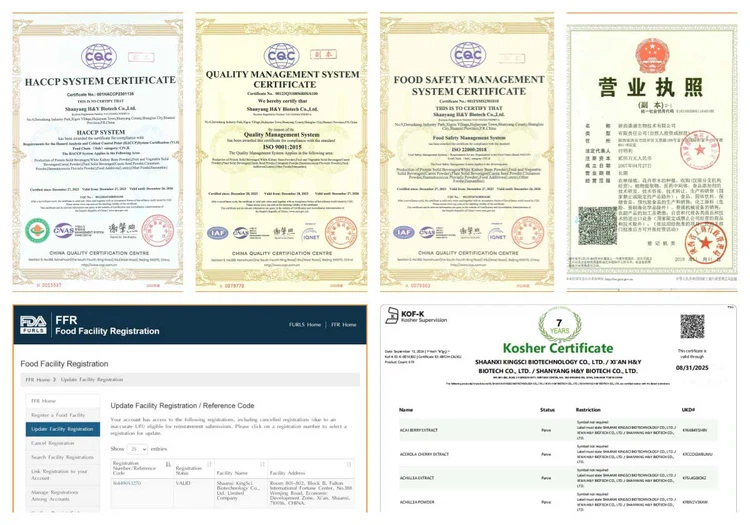
Industrial production of Bulk Dragon Fruit Powder using controlled production conditions and as regulated in food, it is generally recognized as a safe plant-based ingredient. A good supplier should have a standard quality management system in place, including ISO certified production areas, manufacturing practices that are compliant with current Good Manufacturing Practice (cGMP) standards, and also have a quality control system which will ensure a level of consistency, standardisation, hygiene control and traceability throughout the production process. Furthermore, the ingredient is routinely tested for safety, including simple toxicological studies, microbiological and contaminant testing (including heavy metals and pesticides) to ensure adherence to specifications for food ingredients set by the international community. As a fruit-based raw material, it is considered in general to have a low allergenic potential, but may differ in some individuals, depending on overall diet. The final safety compliance is usually established by a batch-specific certificate of analysis (COA) and conforming to importing country regulations, assuring that the ingredient is safe for use as a food ingredient in other countries around the world.
Certifications
American warehouse

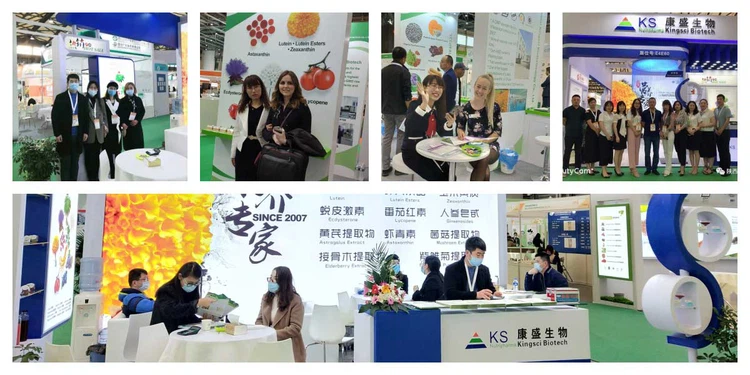
Exhibitions
Hot Tags: pink pitaya powder, China, manufacturers, suppliers, factory, wholesale, price, pricelist, quotation, bulk, in stock, KOSHER, ISO, HACCP


