


What is Aloe Barbadensis Extract?
Aloe Barbadensis Extract is a concentrated botanical extract that is isolated using the inner leaf or the whole leaf of the Aloe barbadensis Miller species, which is widely known in the industrial setting to have multi-functional characteristics. Specifically designed to meet the needs of the manufacturing process, this extract can be used as a plant-derived functional ingredient that can be applied to a diverse range of product formulations, such as in the skincare, health and wellness, personal hygiene, and functional beverages industries. It is chemically composed of some bioactive elements, including aloin, aloe-emodin, and anthraquinone glycosides, among many others, that make it have natural soothing, cleaner, and conditioning properties. It was found to have good processing characteristics like water solubility, sensitivity to heat under extreme conditions, and a naturally low pH, which enable it to be used in aqueous systems in addition to pH-sensitive formulations. It provides versatility in formulation, consistency that can be relied upon from batch to batch, and compatibility with clean-label needs by industrial partners.

COA
| Item | Specification | Result |
| Appearance | Off-white/light yellow | Complies |
| Solubility | Soluble in water | Complies |
| Concentration Ratio | 200:1 | Complies |
| Loss on Drying | ≤ 6.0% | 4.85% |
| Total Polysaccharides | ≥ 10% | 10.52% |
| pH (1% solution) | 3.5 – 5.0 | 4.2 |
| Heavy Metals | ≤ 10 ppm | Complies |
| Microbiological Control | ||
| Total Plate Count | ≤ 1,000 cfu/g | <100 cfu/g |
| Yeast & Mold | ≤ 100 cfu/g | <10 cfu/g |
| E. coli / Salmonella | Negative | Negative |
Are you interested in our products? Just leave a message on this page or contact us directly to get free samples and more professional support!
Main ingredients
Aloe Barbadensis Leaf Extract has a distinguished composition of natural bioactive compounds, including aloin, which is the most available and functionally active constituent. The most popular physiological effects of the extract are attributed to aloin, a kind of anthraquinone glycoside, and are mainly used in gastrointestinal health supplements and botanical cleansing products. Besides the presence of aloin, other active components included in the extract are aloe-emodin, chrysophanol, and a series of phenolic compounds that make the extract have antioxidant, antimicrobial, and soothing effects. They have a synergistic relationship to produce the functional performance of the extraction in diverse industrial products, including topically formulated products to nutraceutical blends. It is a stable, water-soluble, and palatable botanical ingredient with stable and functional benefits as evidenced by the presence of these preferred actives: aloin in particular, along with other compounds of interest such as phytosterols.
Process
1. Harvesting of Mature Leaves
Aloe barbadensis Miller leaves are hand harvested, with fully-grown leaves of the plant normally collected at 2- 3 years of age. To obtain the maximum concentration of active compounds, only healthy, thick, and already mature outer leaves are chosen.
2. Initial Cleaning and Trimming
The leaves picked are then properly cleaned to rid themselves of dirt, latex, and other contamination. The tips of leaves, the bases, and the spines are removed with stainless steel material under hygienic conditions.
3. Filleting or Whole-Leaf Processing
Filleted Process: The outside rind will be removed carefully to isolate the inside gel, eliminating as much exposure to aloin and other anthraquinones as possible.
Whole-Leaf Process: The entire leaf rind and inner gel are pulverized into a fine texture and are treated again, after which it is filtered to lower the unwanted compounds.
The decision of using these two approaches lies with the target product specifications.
4. Grinding and Pulping
Grinding of the gel or whole-leaf material into a smooth, blander state of slurry is done using sanitary grinders to make it subject to extraction or stabilization.
5. Cold Stabilization or Enzymatic Treatment
A slurry, in order to keep active ingredients and deter oxidation, is processed cold or treated with enzymes. The procedure can also include acidifying/basicity and purifying the impurities.
6. Filtration and Decolorization (if applicable)
The extract is frequently decolorized in an activated carbon filter, and aloin is reduced, usually in the case of food-grade extracts or cosmetic applications, which demand low-anthraquinone contents.
7. Concentration or Drying
The extract is either:
Aloe Extract Powder is spray-dried or freeze-dried; or
Low temperature to concentrate aloe gel or liquid extract.
These kinds of methods maintain the usefulness of active ingredients.
8. Standardization and Quality Control
The last extract is tested and standardized through active content (e.g., the actual percentage of aloin) to fulfill the demand of the customer and regulatory authorities. Holistic quality controls in microbial load, heavy metals, and active markers are made.
9. Packaging
The extract is stabilized in food-grade, moisture-proof, light-resistant packaging-commonly fiber drums or HDPE containers with interior liners, to allow stability during transportation and storage.

Suitable For
The main application of Aloe Vera Extract is for adults who prefer natural substances in self-care products to boost digestive wellness, skin comfort, or botanical-inclusive personal care. It is widely applied in formulations intended to treat people with sensitive skin or targeted at shoppers concerned about plant-based or wellness products, or those wanting creams and cosmetics with non-synthetic ingredients that are mild to the skin. It is an excellent product fit in health-conscious markets and a clean-label product line because of its natural source and functional multi-use.
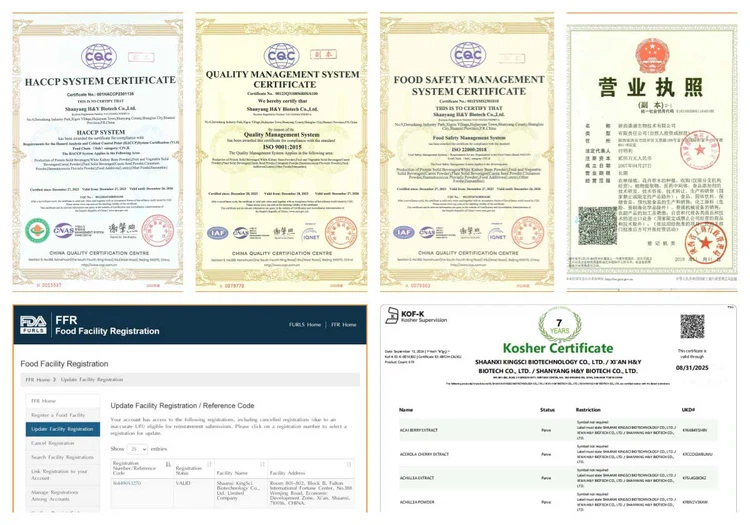
Certifications
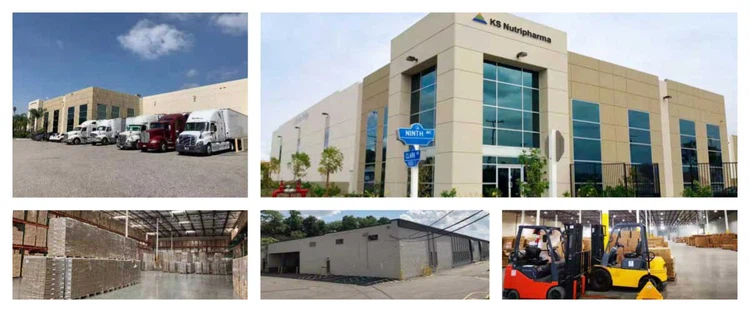
American warehouse
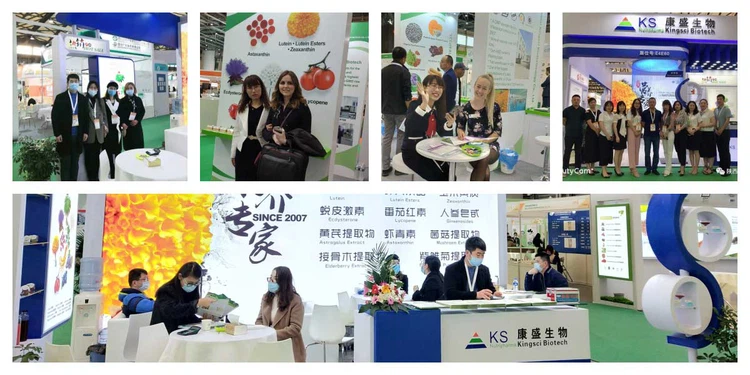
Exhibitions
Hot Tags: Aloe Barbadensis Extract, China, manufacturers, suppliers, factory, wholesale, price, pricelist, quotation, bulk, in stock, KOSHER, ISO, HACCP


