

Which Mushrooms Contain Ergothioneine?
Ergothioneine, a naturally occurring amino acid with potent antioxidant properties, is primarily found in mushrooms. Among the richest sources are shiitake, oyster, king oyster, porcini, and white button mushrooms.
Shiitake mushrooms, in particular, stand out as one of the most abundant sources of ergothioneine, often containing significantly higher concentrations compared to other types of mushrooms. These fungi naturally accumulate ergothioneine from the soil, leveraging its protective benefits in their cellular structures.
If you are exploring ergothioneine for its health benefits or considering its inclusion in formulations, we at KINGSCI are here to help. Contact us for free samples and to learn more about our high-quality ergothioneine powder.
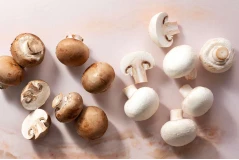
Which Mushrooms Contain Ergothioneine in the Body?
Mushrooms are the primary dietary source of ergothioneine, which plays an essential role in reducing oxidative stress in the body. Ergothioneine works by scavenging harmful free radicals and protecting cells from damage.
Consuming mushrooms, such as maitake and chanterelles, introduces this amino acid into the body, where it is absorbed and transported to vital organs like the liver, kidneys, and brain.
Which Mushroom Has Ergothioneine?
Among mushrooms, king oyster mushrooms (Pleurotus eryngii) are particularly notable for their ergothioneine content. They often surpass other varieties in their antioxidant concentrations. This property has made them popular in both culinary and nutraceutical industries.
What Foods Are High in Ergothioneine?
Beyond mushrooms, ergothioneine is present in trace amounts in foods like black beans, red meat, and organ meats. However, mushrooms remain the most significant source, containing far higher levels than other foods. For individuals seeking to maximize their ergothioneine intake, integrating mushroom-based dishes into the diet is highly recommended.
Which Mushrooms Contain Coprine?
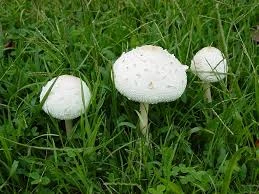
Coprine, a compound known for its interaction with alcohol metabolism, is found in coprinoid mushrooms, such as shaggy ink caps. These mushrooms do not typically overlap with high ergothioneine content. While valuable for research, caution is advised with their consumption, especially when alcohol is involved.
Where Is Ergothioneine Found?
Ergothioneine is produced in nature by certain bacteria and fungi, which transfer it to mushrooms and other plants through the soil. In the human body, it is concentrated in areas prone to oxidative damage, such as the eyes, skin, and immune cells, suggesting its protective and reparative roles.
Ergothioneine Benefits
Ergothioneine offers numerous health advantages, including:
- Cellular Protection: Shields cells from oxidative damage and stress.
- Anti-inflammatory Properties: Supports reduced inflammation and better immune responses.
- Neuroprotection: May help in protecting against neurodegenerative diseases like Alzheimer's.
- Skin Health: Promotes hydration and elasticity, making it a popular ingredient in skincare products.
Ergothioneine Sources
Mushrooms are the most concentrated natural sources of ergothioneine, with shiitake and maitake leading the list. Ergothioneine can also be synthesized for supplement production. KINGSCI specializes in manufacturing GMP-certified ergothioneine powder for a wide range of applications.

FAQ
Q: How can I increase my ergothioneine intake naturally?
A: Eating a variety of mushrooms, such as shiitake and porcini, is the best way to boost ergothioneine levels naturally.
Q: Is ergothioneine supplementation safe?
A: Ergothioneine supplements are generally considered safe when manufactured by reputable companies and consumed as directed.
Q: Why is ergothioneine considered a "longevity vitamin"?
A: Its powerful antioxidant and anti-inflammatory effects help combat aging and chronic diseases, earning it the nickname "longevity vitamin."
For more insights and free samples of high-quality ergothioneine powder. Contact us for free samples today!
References
1.Ames BN, et al. "Ergothioneine as a potential longevity vitamin." (2023)
2.Parsons et al., 2023: Ergothioneine in Dietary Sources
3.[Mushroom Nutritional Profiles and Ergothioneine Content, Mycology Research (2023)]


