

The toxicity and safety profile of Zeaxanthin supplementation is well-established, with few mild, reversible, physiological effects reported for overdosing, including carotenoderma and gastrointestinal adaptation. Being a significant dietary carotenoid extensively used in industrial formulations, knowledge of the safe parameters (dose, administration, stability of raw material) allows commercial use as a parameter.
Overview of Zeaxanthin Safety and Tolerability Profiles
Toxicological assessments and clinical evaluations result in very high safety margins for zeaxanthin in the range of recommended nutritional and industrial use. It is a vital ingredient in commercial diets and functional foods and seldom gives rise to undesirable physiological responses.
High Biological Tolerance: Human clinical trials have shown that there are no significant adverse changes in systemic blood markers, hepatic panels, or renal function tests when taken as a normal daily dose.
Low Incidence of Adverse Events: The side effects that are reported are generally mild, short-lived, and relate to individual sensitivity or over-consumption above the recommended industrial safety guidelines.
Regulatory Compliance: International food safety authorities have determined that zeaxanthin and zeaxanthin variants of natural or synthetic origin are safe for use in consumer products if used in levels that are defined.
Formulation Techniques and Raw Material Stability
Formulation strategies will need to be developed to protect active compounds from environmental degradation to incorporate zeaxanthin into commercial product matrices. Carotenoids have long conjugated double bond systems and are therefore easily oxidized, thermally stressed, and exposed to light during manufacturing processes.
Advanced beadlet or emulsion technology prevents oxygen and moisture from interacting with zeaxanthin molecules, greatly extending the shelf-life of dry powder blends when microencapsulated using this technology.
Synergistic Antioxidant Systems: Combined with other lipophilic antioxidants (natural tocopherols or rosemary extract), the combined effect on degradation is lower, and the combined effect on active stability is higher.
Homogeneous Lipid-based Softgels/Oil Suspensions: This ensures homogeneity and prevents degradation of the sensitive ingredient during the High Temperature Tableting / Extrusion stage.

Recommended Dosage Guidelines and Industrial Application Parameters
Having accurate dosage levels is essential for the industrial developers who formulate functional foods, dietary supplements, and nutraceutical products. The products go through standardized manufacturing processes, guaranteeing that the finished product provides functional value as per specifications and a good margin of safety to the end user.
Typical Daily Serving Ranges: The commercial supplements are available in dose ranges of 2-10 mg of zeaxanthin per serving and are often combined with lutein for visual wellness.
For clinical trials and certain eye health products, the recommended daily dose is 10–20 mg, depending on the specific type of research and product.
Typically, functional food and beverage manufacturers will adjust their functional food levels to meet a target serving size and will strive to make the level of the functional food even across different batches of production.
Potential Minor Physiological Responses and Management Strategies
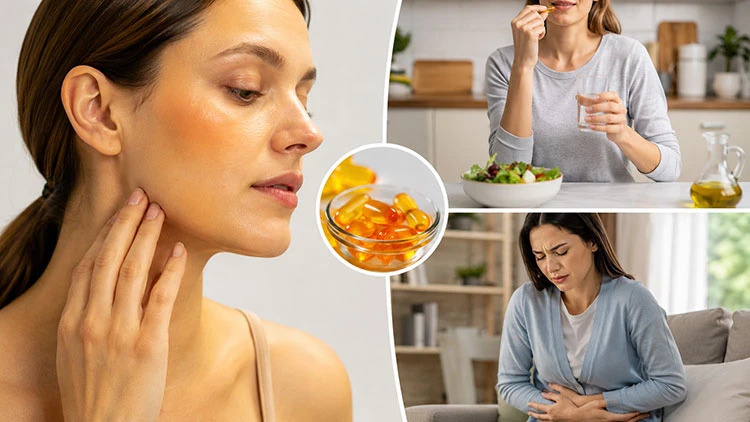
Some physiological reactions may occur in response to extremely high intakes of carotenoids for prolonged periods of time, but serious side effects are very rare. Industrial formulators take these factors into account by setting precise labelling guidelines and conservative serving sizes.
Carotenoderma: When over-accumulation of lipid-soluble pigments occurs over a prolonged period, a harmless and reversible yellow-orange skin colour appears, unless the intake of the pigments is reduced.
Gastrointestinal Adjustment: Some consumers may have mild and temporary digestive upset or nausea when first starting to use the high-potency oils, which can be reduced by using the oil with food.
Individual Sensitivity Screening: Formulators suggest using clear instructions on the packaging label to assist people in controlling their dosage and avoiding unnecessary overdosing.
Raw Material Sourcing and Purity Standards in Manufacturing
Enforcement of analytical testing protocols and careful selection of raw material sources are crucial to the overall safety, stability, and marketability of zeaxanthin supplements. Comprehensive testing is needed to verify high-grade botanical extracts for their environmental status and botanical composition.
Marigold Flower Extraction: Premium commercial zeaxanthin is mainly extracted from marigold flowers (Tagetes erecta), where it is necessary to have exact control of agriculture, so as to prevent contamination by pesticides.
Complete Certificate of Analysis Verification: Each commercial batch should have a comprehensive Certificate of Analysis that includes exact active assay percentages, limits of residual solvents, and the limits for heavy metals.
Formulators can accurately adjust active ingredient purity in the final product to achieve the desired concentration by using various grades ranging from 5% to 80% formulated from the manufacturer's active ingredient.
You can contact us directly or email donna.zh@kingsci.com to obtain further information and free samples.
What are the side effects of taking zeaxanthin?
To conclude, zeaxanthin is a safe, highly stable, and versatile ingredient for modern product development in the proper hands and with correct formulation techniques and dosage parameters. A strong selection of raw materials, microencapsulation technology, and clear labeling will enable manufacturers to provide high-quality functional products that comply with the strict regulations across the globe.
FAQ
What are the primary commercial sources used for manufacturing zeaxanthin?
Commercial zeaxanthin is mainly extracted and purified from the marigold (Tagetes erecta) flowers, while state-of-the-art biosynthesis and fermentation processes can also produce zeaxanthin naturally and synthetically in high purity at a low cost for industrial uses.
How does zeaxanthin interact with other carotenoids in finished product formulations?
Zeaxanthin is often used in combination with lutein and meso-zeaxanthin in supplements. Carotenoids have a synergistic effect within human tissue deposition sites, but ratio adjustments should be made during manufacture to ensure the ratios are balanced to maximize uptake kinetics and avoid competitive uptake saturation.
What storage conditions are required to maintain zeaxanthin powder stability?
Raw materials of zeaxanthin and finished zeaxanthin capsules should be kept in airtight, light-resistant containers in cool and dry places, away from direct heat and humidity, for the purpose of avoiding the degradation caused by oxidation and the loss of active potency.
Can zeaxanthin be seamlessly integrated into liquid beverages and water-soluble formulations?
Zeaxanthin has a lipophilic character and is not water-soluble, but it can be evenly incorporated into functional drinks and liquid delivery systems using specialized industrial cold-water-dispersible (CWD) beadlet technologies and emulsion systems.
References
1. Age-Related Eye Disease Study 2 (AREDS2) Research Group. Lutein + zeaxanthin and omega-3 fatty acids for age-related macular degeneration: the Age-Related Eye Disease Study 2 (AREDS2) randomized clinical trial. JAMA, 2013;309(19):2005-2015.
2. European Food Safety Authority (EFSA). Scientific Opinion on the safety of synthetic zeaxanthin as a novel food ingredient pursuant to Regulation (EC) No 258/97. EFSA Journal, 2020;18(4):6083.
3. Johnson, E. A., & An, G. H. Astaxanthin and other carotenoids: chemistry, biological activities and applications. Journal of Industrial Microbiology & Biotechnology, 2021;48(2):45-62.
4. Roberts, R. L., Green, J., & Lewis, B. L. Lutein and zeaxanthin in eye and skin health. Clinics in Dermatology, 2022;40(3):285-297.


