

Does Phosphatidylserine Interact with Any Medications?
Phosphatidylserine is a naturally occurring phospholipid that plays a crucial role in brain health. While it is popular for its potential to enhance memory and cognitive function, it's important to ask: does phosphatidylserine interact with any medications? The answer is not straightforward, but it's essential to understand how phosphatidylserine might interact with certain drugs.
In this article, we will explore the potential drug interactions and help you understand when it is safe to use phosphatidylserine supplements. Contact us for free samples to explore the high-quality phosphatidylserine we provide at KINGSCI.
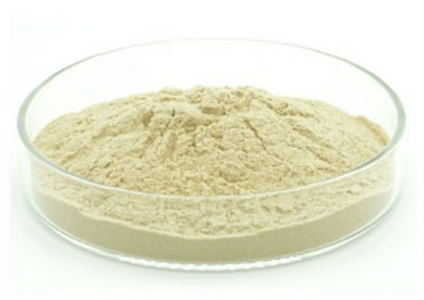
What Medications Interact with Phosphatidylserine?
Phosphatidylserine supplements may interact with a variety of medications. Since it is linked to neurotransmitter function and cognitive health, it can influence the effectiveness of certain drugs. Some of the medications that may interact with phosphatidylserine include:
Corticosteroids: There are some indications that phosphatidylserine could interact with corticosteroid medications, though more research is needed.
Blood Thinners: Phosphatidylserine may increase the risk of bleeding when combined with anticoagulants like warfarin, aspirin, or clopidogrel.
Antidepressants: Since phosphatidylserine has mild mood-boosting properties, combining it with SSRIs or SNRIs may amplify the effects, leading to excessive serotonin levels.
These interactions could either enhance or diminish the intended effects of the medications. If you are currently taking any of these, it's best to consult a healthcare provider before starting a phosphatidylserine supplement.
Who Should Not Take Phosphatidylserine?
While phosphatidylserine is generally safe for most people, certain groups should exercise caution. These include:
People with allergies: Phosphatidylserine derived from soy or sunflower may trigger allergic reactions in sensitive individuals.
People on blood thinners: As previously mentioned, those taking anticoagulants should avoid phosphatidylserine due to the increased risk of bleeding.
Pregnant and breastfeeding women: There isn't enough evidence to confirm whether phosphatidylserine is safe for use during pregnancy or breastfeeding.
If you fall into any of these categories, it's important to speak with a healthcare provider before taking phosphatidylserine. Contact us for free samples if you are considering including this supplement in your routine.
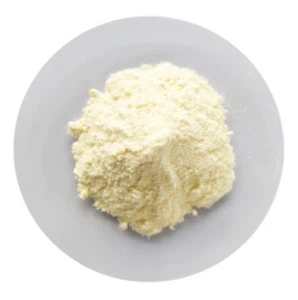
Does Phosphatidylcholine Interact with Any Medications?
While phosphatidylcholine is often mentioned alongside phosphatidylserine, it is important to note that the two compounds have different effects on the body. Phosphatidylcholine, found in lecithin, does not interact with medications in the same way as phosphatidylserine, though it may still affect liver function and influence the absorption of other medications.
If you're taking drugs for liver issues or fat metabolism, consult your doctor before using phosphatidylcholine supplements.
Does Phosphatidylserine Affect the Heart?
There are currently no direct studies suggesting that phosphatidylserine has a significant impact on heart health. However, because phosphatidylserine plays a role in cell membrane structure and cognitive function, its effects on the heart are likely minimal.
It is possible that phosphatidylserine may indirectly support cardiovascular health by promoting better stress response, but this connection remains speculative. As always, those with heart disease or other heart conditions should check with a healthcare provider before using phosphatidylserine.
What is the Warning for Phosphatidylserine?
Phosphatidylserine is considered safe for most people when taken within the recommended dosage. However, the following warnings should be kept in mind:
Potential interaction with medications: As discussed earlier, phosphatidylserine may interact with blood thinners, antidepressants, and other medications.
Dizziness or gastrointestinal discomfort: Some individuals report mild side effects such as nausea or dizziness when starting phosphatidylserine supplements.
Long-term safety: While short-term use is generally considered safe, the long-term effects of high-dose phosphatidylserine are not yet fully understood.
Consult a healthcare provider before starting any new supplement regimen, especially if you are on medications. Contact us for free samples of our high-quality phosphatidylserine powder.

Why Does Phosphatidylserine Make Me Tired?
Phosphatidylserine is often used to improve cognitive function, but in some cases, it may cause fatigue. This could be due to a few factors:
Adjustment period: Your body may need time to adjust to the supplement, which could lead to tiredness initially.
Dosage: High doses of phosphatidylserine might induce a feeling of fatigue, especially if combined with other supplements or medications that have sedative effects.
Individual sensitivity: Some individuals are more sensitive to the effects of supplements and may experience fatigue as a result.
If you experience consistent tiredness after taking phosphatidylserine, it may be helpful to adjust the dosage or consult with a healthcare provider.
How Does Phosphatidylserine Make You Feel?
Phosphatidylserine is known for its potential cognitive benefits, particularly in the areas of memory and focus. However, its effects can vary from person to person:
Increased mental clarity: Many people report feeling more focused and clear-headed after taking phosphatidylserine.
Reduced stress: Some users find that phosphatidylserine helps reduce feelings of stress and anxiety, likely due to its role in regulating cortisol levels.
Mood improvement: A few studies suggest that phosphatidylserine may have mild mood-enhancing effects, especially when combined with other brain-supporting supplements.
Overall, phosphatidylserine is often used to enhance cognitive performance, but individual experiences can vary.

How Long is It Safe to Take Phosphatidylserine?
Phosphatidylserine is generally safe when used for short periods, typically up to 6 months. However, long-term safety data is still limited. For this reason, it is always best to consult with a healthcare provider if you plan to use phosphatidylserine for extended periods.
If you're considering phosphatidylserine as a long-term supplement, be sure to do so under medical supervision to ensure safety and efficacy.
FAQ
Q:Can I take phosphatidylserine with other supplements?
A:Yes, but it's always best to check for potential interactions, especially if you're taking supplements for stress, mood, or sleep.
Q:Is phosphatidylserine effective for memory?
A:Phosphatidylserine has shown promise in improving cognitive function, particularly memory, especially in older adults. However, results can vary.
Q:How do I know if phosphatidylserine is right for me?
A:The best way to determine if phosphatidylserine is right for you is by consulting a healthcare provider, especially if you are on other medications or have pre-existing conditions.
References
- "The Effects of Phosphatidylserine on Memory and Cognitive Function." Journal of Clinical Nutrition.
- "Phosphatidylserine: Benefits, Uses, and Risks." WebMD.
- "Drug Interactions with Phosphatidylserine: A Comprehensive Review." Pharmacology Research & Perspectives.


