

Lutein Powder is the form of carotenoids that are unesterified (free) and can be directly assimilated physiologically, while Lutein Ester is the esterified form of fatty acid complexes from botanical sources, which must be enzymatically hydrolyzed before use.
Core Structural and Chemical Properties of Lutein Powder and Lutein Ester
Molecular configuration: Lutein powder has unesterified hydroxyl groups to facilitate direct interaction with metabolic pathways, and lutein ester has a fatty acid molecule attached to it that contributes to its different thermal resistance.
Both ingredients are extracted from Tagetes erecta marigold flowers, with the type of process determining whether the active ingredient in the extract is bound to fatty acids or is partly or entirely saponified.
Solubility Profiles: Both variants are highly lipophilic and less soluble in water and need special microencapsulation or a lipid-based carrier matrix for better dispersion in the liquid formulation.
Comparative Formulation Strategies and Delivery Systems
Lutein ester is highly stable in suspension in oil-based carriers such as medium-chain triglycerides, suitable for conventional soft gelatin capsules.
Water-Dispersible Powder Technology: In functional beverage or dry powder blend formulations, the lutein powder is often processed using beadlet technology and microencapsulation in order to evenly distribute the powder.
Antioxidant co-ingredients (natural tocopherols) must be considered for excipient compatibility in the formulations during the high-temperature manufacturing processes so as to avoid their oxidative degradation.

Dosage Parameters and Administration Guidelines
Typical Intake Levels: Recommended daily dosages of commercial dietary supplements are usually between 6 milligrams and 20 milligrams of active carotenoid equivalents.
Bioavailability Conversion Factors: Esterified forms have a higher molecular mass as they have fatty acid chains attached to them, so it is important to take into account the ratio of the molecular mass when aiming for specific threshold values of active intake.
Optimal Intake of Lipids as Co-Ingestants: Both forms of the ingredient, when provided within a matrix or meal, are greatly enhanced by the presence of dietary lipids.
Environmental Stability and Shelf-Life Performance
Thermal and Light Resistance: Lutein ester is usually more resistant to degradation from ambient light exposure and high storage temperatures than is unesterified lutein.
Both materials must be hermetically packaged in nitrogen-filled containers to prevent exposure to oxygen in the air, in order to maintain long-term potency and existing functions.
pH Stability Dynamics: Unesterified variants are more susceptible to acidic conditions and may need special enteric coating or microencapsulation barrier for certain dosage forms.
Industrial Applications in Functional Foods and Supplements
Drugs for eating well: Both ingredients are used as basic elements of advanced multivitamins, eye care supplements, and capsules for general health.
Functional Beverage Integration: Cold-water-dispersible grades can be microencapsulated and easily incorporated into sports nutrition drinks, liquid concentrations, and fortified powdered beverage mixes.
Nutritional Confectionery Products: There are grades available that are heat-stable, allowing manufacturers to add these functional botanicals to gummy matrices, chewable tablets, and even to specific functional food items.
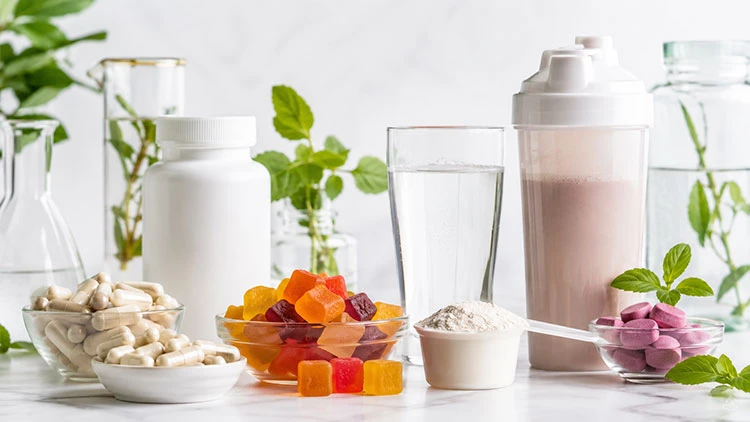
What Is The Difference Between Lutein Powder And Lutein Ester?
To make the best selection among the raw materials, either lutein powder or lutein ester, for different delivery systems, to get the highest stability and commercial success for the formulated product is possible due to an understanding of the differences in the physical stability, molecular structure, and formulation behavior of the two.
You can contact us directly or email donna.zh@kingsci.com to obtain further information and free samples.
FAQ
Q: Can lutein powder and lutein ester be used interchangeably in dietary supplement manufacturing?
A: Both ingredients have similar applications in the end health product, but differ with regard to molecular weight and stability. Formulators will need to fine-tune the dosage of the active in the product and choose a suitable carrier oil or microencapsulation technology.
Q: Which ingredient offers better stability during long-term storage?
A: The naturally esterified molecular structure of lutein ester would make it much more stable against ambient storage degradation, light, and heat.
Q: Do these botanical ingredients require specific dietary fats for optimal absorption?
A: Yes, they are fat-soluble carotenoids and are highly absorbed in the intestine and have high bioavailability in the body when ingested with dietary lipids or encapsulated in lipid-based emulsion delivery systems.
Q: What is the primary botanical source used for commercial extraction?
A: The marigold flowers (Tagetes erecta) used for commercial production are mainly cultivated marigold flowers that are extracted and purified by advanced extraction and purification methods to produce high-purity active grades.
References
1. Alves-Rodrigues, A., & Shao, A. (2020). The science behind lutein and lutein esters: Absorption, bioavailability, and commercial stability in functional applications. Journal of Nutritional Science and Vitaminology, 66(4), 312-321.
2. Khalil, M., et al. (2020). Stabilisation of lutein and lutein esters with polyoxyethylene sorbitan monooleate, medium-chain triglyceride oil and lecithin. PMC, PMC7996776.
3. Bone, R. A., et al. (2021). Comparative evaluation of macular pigment density enhancement following supplementation with unesterified lutein versus lutein diesters. Investigative Ophthalmology & Visual Science, 62(8), 1450-1458.
4. Fernandez-Garcia, E., et al. (2022). Carotenoid bioavailability from dietary sources and supplements: A review of digestion, transport, and metabolic fate. Food & Function, 13(2), 55-70.


