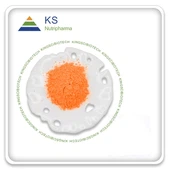
The main distinction between beet root extract and beet root powder is that the extract is a highly concentrated, high-pigment ingredient, whereas the powder is a low-processed, whole root product with more comprehensive compositional properties.
Overview of Beet Root Extract vs Beet Root Powder
Beet root extract and beet root powder are produced from the same botanical source, but they differ widely in terms of the intensity of manufacturing, functional behavior, and the purpose of formulation. Extracts would be chosen in product development to have standardized pigment values and predictable solubility, and powders to have whole root composition, clean-label positioning, and flexibility of bulk ingredients requirements. These differences affect the selection of dosage, processing specification, and the general product structure of the formulators.
How Processing Shapes the Functional Differences
The following are the major processing variations that characterize the performance of each ingredient in the industrial manufacturing processes:
1. Processing Intensity in Beet Root Extract vs. Beet Root Powder
The production of beet root extracts is done through extraction, clarification, concentration, and occasionally spray-drying to produce a more advanced ingredient with enhanced functionality per unit weight.
Beet root powder is based on dehydration and mechanical milling and features fiber, minerals, and the entire structure of the original root, which makes it ideal in high-inclusion applications where bulk material or texture is needed.
2. Concentration Levels and Pigment Density
Extracts contain a greater percentage of betalain to give them a richer coloration, even on low-dose formulations, which is useful to food and beverage formulations where cost is a significant consideration.
Powders are responsive to natural variation of pigments; usually, they need an increase in inclusion rate, but they would add a more rounded sensory profile and softness of color desired in certain classes.
3. Ingredient Composition and Standardization Options
Extracts may be customized to achieve the desired color values (e.g., betanin content) that enable manufacturers to achieve consistency in production across many batches.
Powders cannot be narrowly standardized, but their entire root integrity is beneficial to natural positioning as well as multi-functional dry blends.

Formulation Behavior Across Different Product Formats
It is also important to know the behavior of each ingredient in the various production systems to guarantee similar performance:
1. Solubility and Dispersibility Performance
Extracts are easy to dissolve and give a uniform color in aqueous systems, which saves on mixing time and eliminates the possibility of extensive sedimentation.
Powders do not dissolve completely, but instead disperse, and this can necessitate high shear hydration or pre-blending of the powder to avoid non-homogenization in the liquid or semi-liquid phase.
2. Stability Under Heat, Light, and pH Conditions
Extracts provide better predictability with manufacturers getting pH conditions optimized and exposure to long periods of heating during processing minimized.
Powders are likely to be more variable, but are able to better mask small changes of colour by their natural plant matrix.
3. Compatibility With Capsules, Tablets, and Functional Foods
Extracts are easily incorporated into the capsules and liquid shots and can be used in concentrated formulations with little excipient interference.
Powders are preferable in those uses where one wants volume contribution, tactile texture, or visible natural identity, which could be snacks, baking mixes, or plant-based products.
Industrial Use Cases in Manufacturing
The most frequent utilization directions where beet root extract and beet root powder part ways in a real-world industrial application include the following:
1. Beet Root Extract Applications
Natural colorant systems that needed the exact intensity of the hue.
Soft drinks syrups, emulsions, and liquid concentrates.
Nutraceutical blends that are specialized in which standardization is paramount.
2. Beet Root Powder Applications
Ready-to-mix and dry beverage premixes.
Snack coating and bakery mixes, snack seasoning, and cereal products.
Functional powders, which are clean-labeled, are incorporated in a wide group of foods.
Conclusion
Finally, manufacturers opt to use beet root extract where high concentration, quick solubility, and stable pigment expression are required, which is suitable to be used in precision-driven applications or liquid-based applications. Whole-root nature or the use of natural language to label the beet root and compatibility with dry processing systems are priorities that make beet root powder the product of choice. The two ingredients are used in technical functions that are different, and the choice of the right ingredient guarantees as much performance in color, processing efficiency, and overall stability of the formulation.
Do you have a different opinion? Or need some samples and support? Just Leave A Message on this page or Contact Us Directly to get free samples and more professional support!
FAQ
1. Is beet root extract stronger than beet root powder for industrial applications?
Yes. Beet root extract tends to be denser in pigment and has a stronger coloration capacity, thus being more effective when one needs to generate a powerful visual appeal.
2. What is the best way to use beet root powder in beverage manufacturing?
Beet root powder is best used when it is pre-dispersed with other dry ingredients or sifted into mixes to attain even hydration and prevent lumping.
3. Can beet root extract replace beet root powder in all formulations?
Not always. Extracts can be used in liquid systems, whereas powders can be used in dry goods and clean-label products, as well as give structure and natural matrix components.
4. Which option is more suitable for capsules and tablets?
Preference is usually given to beet root extract in cases where required levels of standardized pigments or concentrated active components are needed, and in simple blends, powders are also used.
References
1. Esatbeyoglu, T., et al. (2020). "Betalains: Chemistry and Stability." Food Reviews International, 36(2), 112–148.
2. Sawicki, T., & Wiczkowski, W. (2020). "The Chemistry of Beetroot Pigments." Journal of Functional Foods, 67, 103–119.
3. Slatnar, A., et al. (2021). "Factors Affecting Color Stability of Betanin." Food Chemistry, 363, 130–141.
4. EFSA Panel on Food Additives. (2022). "Assessment of Betalain-Based Colorants." EFSA Journal, 20(6), 1–18.