

The value of oat extract as an ingredient is largely due to the multiple functions it performs as a plant-based product used to improve formulation stability, texture systems, and clean-label food, cosmetic, and industrial products.
What is oat extract good for in functional formulations?
Texture and Viscosity Optimization
Beta-glucan standardized oat extract, in particular, plays a role in controlling viscosity and mouthfeel in liquid and semi-solid formulations to produce smoother and stable products. The extract's polysaccharide structure affects the water-holding and rheological properties of products.
Emulsion and Stability Support
The protein-fiber interaction in oat extract provides the emulsifying and dispersing properties that can be used to help maintain emulsion and dispersion stability, especially in plant-based or hybrid systems that require stability against phase separation.
Powder System Compatibility
Oat extract powder is well dispersible and not prone to agglomeration, allowing it to be used in dry premixes, instant beverages, and in sachets.
What is oat extract good for in ingredient design and processing?
Flexible Extraction Profiles
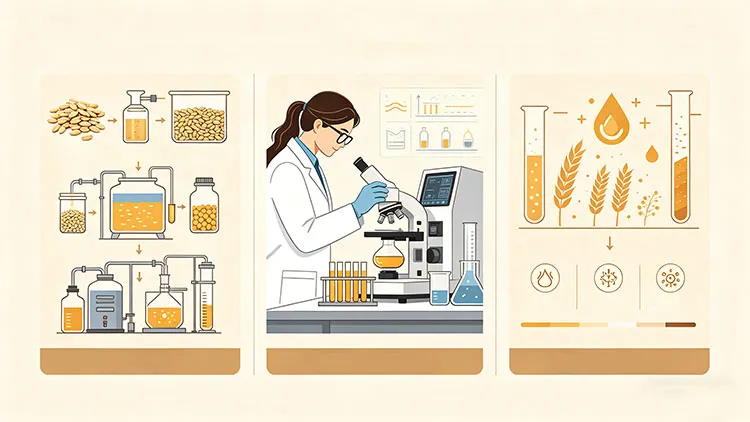
Oat extract can be extracted using water, ethanol, or enzymes, enabling flexibility in terms of the extract's composition (e.g., beta-glucans vs. phenolic compounds) and its intended uses.
Standardization and Specification Control
Commercial oat extract is frequently standardized to certain active components like beta-glucan content, ensuring the consistency of the product and precise formulation.
Processing Stability Considerations
Variables including moisture, temperature, and particle size impact the solubility and structure of oat extract components, impacting their performance in products.
What is oat extract good for in food and beverage applications?
Plant-Based Product Development
Oat extract is commonly employed in plant-based and dairy beverages, dairy-like products, and hybrid products to provide body, smoothness, and particle dispersion.
Protein Powder and Bar Systems
It is compatible with protein powder, nutrition bars, and tablets for ease of formulation, structure, and balance, without masking the taste of other ingredients.
Fermented and Hybrid Food Systems
Oat extract can be used as a matrix ingredient in fermented or cultured beverages and foods to help maintain viscosity and compatibility with the microbial processing environment.
What is oat extract good for in cosmetic and personal care products?
Formulation Texture Enhancement
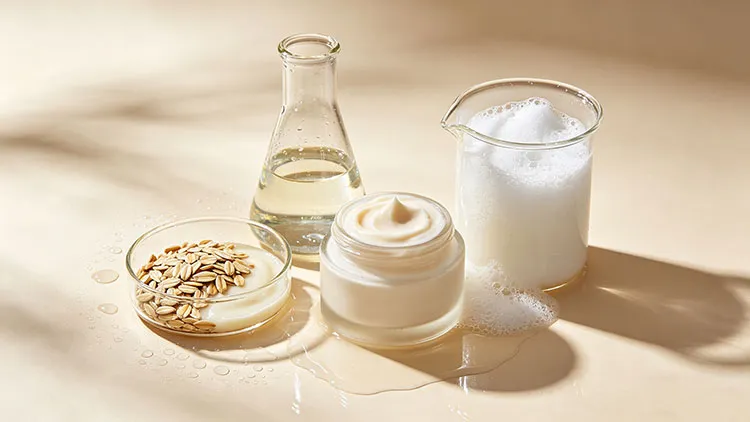
Oat extract helps to improve creams, lotions, and cleansers by enhancing spreadability and providing a silky mouthfeel, allowing for high-end formulation claims.
Mildness-Oriented Product Design
Being a natural ingredient with a defined composition, oat extract can be used in products with a gentle and minimalist ingredient system positioning.
Compatibility with Multi-Ingredient Systems
Oat extract is compatible with emulsifiers, humectants, and botanical formulations to allow for versatile formulations in cosmetic products.
What is oat extract good for in clean-label and sustainable product strategies?
Natural Ingredient Positioning
Oat extract meets clean-label demands as it is easily identifiable as a botanical ingredient with a low level of processing, and can be used to achieve transparent labeling.
Supply Chain Reliability
Oats are grown worldwide, providing secure sourcing of the raw material and scalability to large-scale production.
Alignment with Plant-Based Trends
It is suitable for vegan, plant-based, and eco-friendly product development and hence is an ideal ingredient for future product development.
What is oat extract good for from a scientific and compositional perspective?
Beta-Glucan Functional Properties
Oat beta-glucan is a relatively well-studied cereal polysaccharide with known structure and functionality for industrial use.
Unique Phenolic Compounds
Oat-exclusive avenanthramides play a role in the unique biochemical composition of oat extract, and are affected by processing (germination, extraction method).
Synergistic Component Interactions
Fibers, proteins, and phenolics work together to allow oat extract to be a multi-ingredient system.
What is oat extract good for?
Oat extract is useful for improving formulation functionality, texture, and stability, and enabling clean-label, botanical product development in various industries. Its importance is not based on one function but its ability to be an integral part of a complex system while being consistent, scalable, and in line with current ingredient trends.
Do you have a different opinion? Or need some samples and support? Just Leave A Message on this page or Contact Us Directly to get free samples and more professional support!
FAQ
1. What is oat extract powder used for in manufacturing?
Oat extract powder is a versatile ingredient in food and beverage, cosmetic, and nutraceutical formulations to enhance texture, provide formulation stability, and enable clean-label ingredient strategies.
2. How is oat extract used in plant-based products?
It's used in plant-based and dairy-free beverages and products to improve texture, dispersion, and product stability.
3. What factors affect oat extract performance in formulations?
Critical factors include beta-glucan content, particle size, processing conditions (temperature, moisture), and stability.
4. Is oat extract suitable for clean-label formulations?
Yes, oat extract is used in clean-label products because of its natural source, familiarity, and ease of integration into clean-label formulations.
References
1. Li, X., Wu, Y., Duan, R., Yu, H., & Liu, S. (2024). Research progress in the extraction, structural characteristics, and commercial applications of oat β-glucan. Foods, 13(24), 4160.
2. McCarron, R., Methven, L., Grahl, S., Elliott, R., & Lignou, S. (2023). Avenanthramides and β-glucans in oat-based milk alternatives. Proceedings, 91(1), 423.
3. Zhang, Y., et al. (2024). Comprehensive study of avenanthramides in oat germination. Food Chemistry, 437, 137807.
4. Anonymous. (2026). Characterisation of oat protein–β-glucan co-extract. Food Hydrocolloids, 171, 111756.


