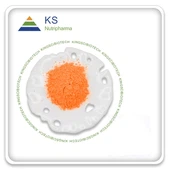
Grape skin extract is a natural colorant ingredient, which is important in industrial applications to provide reliable red-to-purple color and to promote positioning of clean-label products.
Understanding Grape Skin Extract as a Natural Colorant
The grape skin extract is a squeezy hue made out of the outer skin of grapes through restrained extraction and drying procedures. This extract does not act like a taste additive or an isolated nutrient, but rather serves as a stable colorant, the appearance of which is enjoyable in numerous prepared products. Grape skin extract is also standardized in terms of pigment to maintain the performance across lots in commercial supply chains. The extract is being more availed whereby enterprise consumers utilize the extract when the colorants needed are natural, traceable, and non-synthetic.
Key Attributes of Grape Skin Extract Colorant
Plant-based origin: It is sourced using grape by-products, which is aligned with sustainable sourcing strategies.
Standardized pigment fraction: Dwelling on uniform color value parameters.
Format flexibility: Can come in powder or liquid forms of concentration, which are suitable for making large quantities.
Regulatory compliance: Provided with effective documentation to uphold the acceptance of ingredients throughout the world.

Major Industry Applications of Grape Skin Extract Powder
Food and Beverage Formulations
Grape skin extract is also utilized in the food and beverage industry to provide red to purple colors in dry and reconstitutable foods, such as bakery mix, fruit snacks, and beverage bases. It can also be used to create clean-label designs since it is compatible with labeled ingredients and does not require artificial dyes.
Nutritional and Supplement Product Formats
Grape skin extract is added to nutritional product formulations by the contract manufacturers to ensure visual differentiation. Powdered forms are easy to integrate into premixes, capsules, and sachets, and the color is consistent due to processing.
Cosmetic and Personal Care Systems
Grape skin extract is also used in the personal care sector, where it acts as a natural colorant in personal care products like soaps, gel systems, and decorative cosmetics. The dispersibility of the powder allows both water-based and emulsion-based formulations, which are usually done at large scale.
Ingredient Blends and Custom Premixes
Grape skin extract is utilized in ingredient houses under the custom premixes in which stable dispersion and storage are critical factors. The predictability of its behaviour in blending, packaging, and transport is due to its standardized content of pigments.
Functional Material Applications
In addition to conventional consumer products, grape skin extract has been used in specialty functional products where color identity can be used to brand differentiate or material aesthetics, such as textile dyes and surface finishes that can accommodate regulatory color requirements.
Formulation Considerations for Grape Skin Extract Use
Integration Methods
Dry blending: The extract of grape skin is a dry ingredient that can be mixed with other dry ingredients using industrial mixers.
Liquid dispersion: Controlled agitation is done by dilution of concentrated solutions to the aqueous streams.
Encapsulation: In order to increase the stability of certain matrices, it is possible to encapsulate grape skin extract in a carrier.
Dosage and Specification Control
The recommended levels of inclusion are set in accordance with standardized pigment measurements as opposed to specific weight percentages. The common use rates are also changed based on the needs of color intensity, the final product's pH, processing temperatures, and the complexity of the final formulation. Scalability Pilot testing should be recommended to maximize performance.
Stability and Processing Factors
Formulation pH, exposure to heat, and shelf conditions affect the color expression of the grape skin extract. Processing steps are frequently assessed by the formulators in order to have reduced color degradation, and the color remains the same throughout the life of the product.

Technical Benefits in Enterprise Supply Chains
Standardized color value units: Batch consistency, Batch consistency in multi-batch production. Standardized units of color values can be used to achieve a reproducible visual quality.
Efficiency: The powder and liquid forms are made with ease to act in high-throughput settings with ease.
Documentation support: The manufacturers will submit the certificates of analysis and traceability information to meet the regulatory and procurement needs.
Cross-category utility: The fact that the extract can be used across the categories simplifies the process of sourcing ingredients and managing vendors.
Conclusion
Grape skin extract can be used in the industrial and B2B sectors to provide dependable and plant-based red or purple coloration to formulated items, enabling clean-label positioning and scalable production. The need for its standardized pigment content, flexible formats, and its suitability to various processing conditions endears it to food and beverage, nutritional products, cosmetics, custom premixes, and specialty material applications.
Do you have a different opinion? Or need some samples and support? Just Leave A Message on this page or Contact Us Directly to get free samples and more professional support!
FAQ
What is the recommended use level of grape skin extract powder in product formulations?
Standardized pigment contents are used in determining recommended use levels, as opposed to absolute weight, and they are adjusted by pilot testing based on their desired strength in the final product.
Can grape skin extract be used in both dry and liquid industrial formulations?
Indeed, grape skin extract is available in powder and liquid drink forms that can be incorporated into dry blends and aqueous systems of large-scale manufacturing.
How does grape skin extract compare to synthetic dyes in enterprise applications?
Grape skin extract offers natural coloration, which supports a clean-label product positioning, where standardized units of pigment allow the identical result regardless of the production batch.
What documentation should B2B manufacturers expect with grape skin extract supply?
To verify its compliance with the regulatory requirements and procurement, suppliers usually present certificates of analysis, pigment value specifications, and documentation of the quality.
References
1. Smith, J., & Lee, A. (2021). Natural colorants in industrial food applications: Extraction and stability considerations. Journal of Food Engineering, 290, 110170.
2. Patel, R., & Robinson, T. (2022). Process optimization for anthocyanin-based colorants from grape by-products. Food Chemistry, 375, 131791.
3. Zhou, F., & Wang, M. (2020). Plant-derived pigments in functional material applications: Color stability and processing factors. Industrial Crops and Products, 150, 112365.
4. Nguyen, P., & Tran, L. (2023). Quality management systems for natural ingredient manufacturing: A comparative review. International Journal of Production Research, 61(8), 2421–2436.