

Examples of natural foods rich in the canthaxanthin compound mainly comprise some seafood, shellfish, microalgae, mushrooms, and products of animals that are affected by carotenoids in the diet. These foods are known to contain canthaxanthin, which is the reason behind their typical orange-red color, and as a natural source of this carotenoid, either industrially or in culinary applications.
Natural Sources of Canthaxanthin
Salmon and Trout: Wild salmon and trout are one of the richest foods in terms of canthaxanthin content in the diet. The carotenoids, such as canthaxanthin, are accrued in these fish by ingesting carotenoid-rich phytoplankton and plankton. Pigment concentration is the direct contributor to the flesh color, which offers the rich pink-to-orange color that consumers enjoy in the consumer markets.
Crustaceans, such as shrimp, lobster, and crab, naturally have canthaxanthin occurring in their tissues and exoskeletons. The carotenoid helps to give the reddish color that is observed after cooking, and is usually a sign of pigment rich diet in aquaculture or wild stocks.
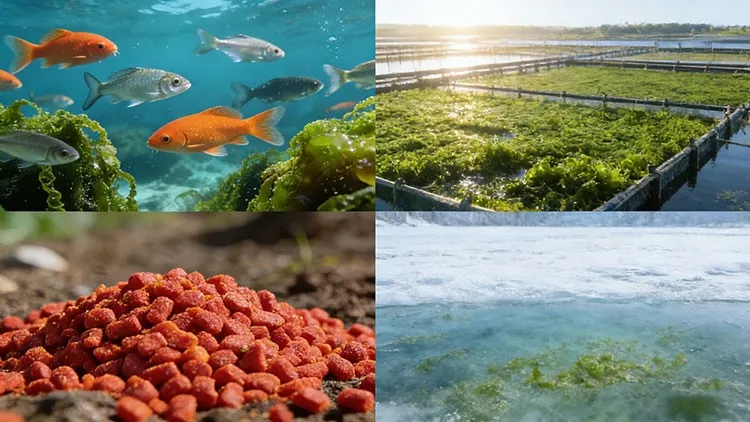
Microalgae: There are some species of microalgae that contain canthaxanthin in large quantities as a natural component. These organisms are also employed industrially to give out a primary raw material to manufacture canthaxanthin powder or oil dispersions to use in food, food, and supplements.
Mushrooms: Some boletes and chanterelles are wild mushrooms with small quantities of canthaxanthin and other carotenoids, which provide minor color and pigment diversity.
Eggs and Poultry Products: The amount of canthaxanthin in eggs varies with the food of hens that lay the eggs. The effect of feed structure on natural pigments is seen by the deeper-orange yolks produced by carotenoid-enriched feed.
Factors Affecting Canthaxanthin Levels in Foods
Food Consumption of the Source Organism: Fish and poultry store the canthaxanthin in the diet, and the accumulation of algae and carotenoid-rich feed material has a direct influence on the pigments.
Species and Habitat Differences. Species of wild origin, in most cases, have higher natural levels of canthaxanthin than farmed ones because of the variety and abundance of natural sources of carotenoids.
Processing and Cooking Process: Heat, Oxygen and light exposure during processing or cooking may have an impact on canthaxanthin retention. The stability of pigment is achieved by proper handling and inclusion in fat-rich matrices.
Seasonal and Environmental Change: Both seafood and algae may have a seasonal change in pigment concentration, which is affected by seasonal availability, water quality, and even nutrient content, and affects both natural sourcing and industrial sourcing.
Canthaxanthin in Food Formulation
Inclusion in Food Product: Canthaxanthin obtained naturally is used by manufacturing companies to provide color consistency in beverages, sauces, bakery, and confectionery products. It is fat-soluble, so it needs to be taken into account in terms of emulsification and dispersion processes.
Stability by Encapsulation: Stability in crushing, Stability in processing. The industrial canthaxanthin is usually provided in encapsulated powders or beadlets to enhance handling, dispersibility, and stability. The light, oxygen, and heat degradation that is inevitable in colors are prevented by encapsulation, which is important in color maintenance.
Dosage Control: Canthaxanthin incorporation is accurate, guaranteeing consistency in the color intensity of batches. Filling powders in standardized amounts enables the manufacturers to expect their shade effects while remaining within the regulatory parameters.
Matrix Compatibility: Canthaxanthin is best used in lipid-based matrices, yet it can be used in water-based systems with the aid of proper dispersions or emulsifiers. The application of the interactions between the matrices is important in understanding industrial applications.
Industrial and Culinary Applications
Seafood Processing: In aquaculture, feed plans can be used to increase Canthaxanthin levels in fish and shellfish to provide a consistent flesh color, which is desired by consumers.
Egg and Poultry Products: Poultry diet formulation. Poultry yolk pigmentation can be used to give a uniform orange color to the retail market as well as the foodservice market.
Beverage and Dairy Products: The use of canthaxanthin in the natural sources or industrially available extract gives the opportunity to standardize the color in juices, plant-based milks, and dairy analogues.
Confectionery and Bakery: Candy, gummies, and baked items can take advantage of the natural pigment addition, allowing a bright color to be obtained without the use of additives.
Supplement and Nutraceutical Powders: Canthaxanthin is a colorant and ingredient in powdered supplements/functional formulations encapsulated or in a powder form, which allows a consistent appearance and reliable processing.

Stability and Handling Considerations
Sensitivity to light: Canthaxanthin is prone to degradation by light; light-proof wrappings are advised for both raw materials and final products.
Temperature Tolerance: Heat used during industrial processing, e.g., baking or pasteurization, has to be monitored in order to prevent the loss of pigments. Thermal stability is improved by encapsulation, as well as oil-based dispersions.
Oxidative Protection: Color can be decreased by exposure to oxygen. Preservation of quality is done by the incorporation of antioxidants, nitrogen-flushed packaging, and a controlled processing environment.
Shelf-Life Optimization: The correct formulation methods will guarantee that canthaxanthin will not lose its color during the storage and distribution phase and will provide the same visual performance on all lots.
Conclusion
Finally, high-canthaxanthin foods are mostly marine and aquaculture products, including salmon, trout, shrimp, and lobster, and a few microalgae, mushrooms, and egg yolks whose carotenoid diets affect them. The contents of the diet, habitat, and processing conditions affect the presence of canthaxanthin in the organism. To industry professionals, knowledge of natural sources of canthaxanthin helps to optimally choose ingredients, formulate colors, and be certain of using the product in food, beverages, bakery, and feed products. Stability is boosted through encapsulation, dispersion, and the practice of handling care, which enables the manufacturers to run a uniform pigment performance, in favor of clean-label positioning.
Do you have a different opinion? Or need some samples and support? Just Leave A Message on this page or Contact Us Directly to get free samples and more professional support!
FAQ
Q1: Which natural foods are highest in canthaxanthin?
The major natural sources of canthaxanthin are marine animals (salmon and trout), crustaceans (shrimp and lobster), some microalgae, and some mushrooms found in the wild.
Q2: How can canthaxanthin from natural foods be used in industrial formulations?
Naturally occurring encapsulated powders or oil dispersions can be added to beverages, dairy analogues, confectionery, and supplement powders to create the consistency of coloration and processing stability.
Q3: Does processing affect canthaxanthin levels in foods?
Yes. Exposure to heat, light, or oxygen during cooking, storage, or industrial processing can affect the stability of pigments, and thus, an encapsulation method and protective formulation method are usually used.
Q4: Can egg yolks contain significant canthaxanthin naturally?
Yes, the color of the egg yolk is affected by the hen's diet, and a diet supplemented with carotenoids will enrich the canthaxanthin level and will cause a darker orange color.
References
1. Gregory, J. F., & Johnson, E. J. (2021). Carotenoid pigments in food and feed applications: stability, formulation, and industrial perspectives. Journal of Food Science & Technology, 56(7), 3185–3197.
2. Sharma, A., et al. (2020). Industrial production and stabilization strategies for carotenoid colorants in foods. Food Research International, 132, 109034.
3. European Food Safety Authority (EFSA). (2020). Scientific Opinion on the safety of canthaxanthin (E161g) for food and feed use. EFSA Journal, 18(5), e06123.
4. Mishra, S., & Singh, R. (2022). Advances in natural carotenoid encapsulation for enhanced stability and industrial application. Critical Reviews in Food Science and Nutrition, 62(12), 3285–3303.


