

Lutein is not used to correct or change astigmatism, and lutein-based preparations are extensively researched in eye-nutrition formulations to provide support for visual performance and comfort of the optical system in the course of the day.
Lutein and Astigmatism: Scientific Context of Lutein Eye Nutrition
Astigmatism is a refractive disorder due to the shape of the cornea or lens, and lutein is a carotenoid compound that is often found in nutritional products for eye support. When talking about "lutein and astigmatism" in industry, this is usually about the formulation and the nutrition of the eye, not necessarily the correction of astigmatism and lutein.
Optical structure limitation (astigmatism mechanism),
The cause of astigmatism is not due to modifications of the shape of the optical surfaces that are physically impossible for lutein.
Lutein is a nutrient that can be positioned by the food industry.
Lutein is used in eye nutrients as a pigment-related compound providing overall visual system functioning under light exposure stress.
Industry formulation relevance
That's not a structural correction product; it's a combination of lutein with other carotenoids (zeaxanthin, for instance) that makes an all-encompassing visual wellness product.
Lutein Astigmatism Help in Eye Health Product Formulation Trends
Nutraceuticals: Lutein astigmatism help is primarily a search association in the nutraceutical industry.
Most formulations are functionally positioned.
Lutein is an ingredient in eye nutrition formulations for daily visual comfort from light exposure from the screen and environment.
Combination system design
It is frequently added to antioxidants, vitamins, and plant extracts for the formulation of multi-component eye health products.
Market-driven demand
Use of screens has risen, and so has the demand for lutein supplementation for general visual fatigue positioning.
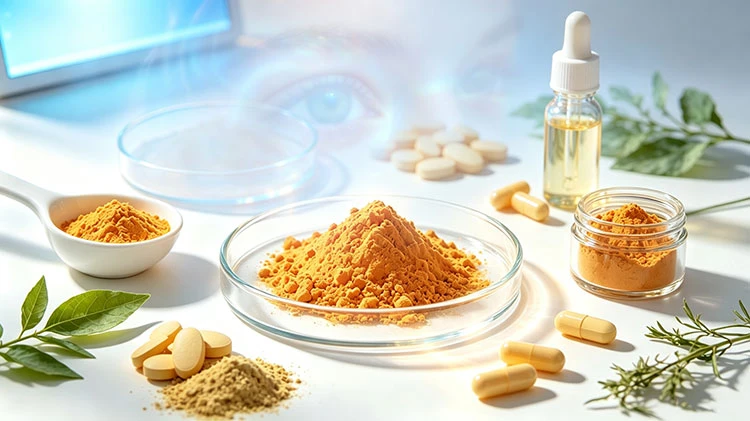
Lutein Astigmatism Help in Manufacturing and Dosage Design
In B2B manufacturing, inclusion of lutein into products for the eye is much more reliant on formulation stability and bioavailability design than the eye correction of the structure.
Oil-based delivery systems
A common method for softgel capsules is to add oil to the capsule as a carrier for lutein to enhance dispersion and stability.
Powder blending systems
Lutein is microencapsulated or bound to a carrier in dry formulations to guarantee even distribution throughout the product (tablets and sachets).
Dosage balancing strategy
The amount of lutein in the product is not targeted according to condition, but according to the regulations of the targeted market and the targeting requirements for product formulation.
Stability and Processing Considerations in Lutein Astigmatism Help Products
Light, oxygen, and heat will greatly affect the stability of lutein, and this is where stability engineering is key in industrial production.
Light sensitivity control
Lutein is normally processed and stored in the light-protective environment, so that it is not degraded by light, which may cause loss of pigment structure.
Oxidation prevention systems
To stabilize the formulation, antioxidant systems like ascorbyl derivative or vitamin E are usually used.
Temperature-controlled processing
Low-temperature blending and encapsulation methods are preferred to maintain the integrity of the compound in the manufacture.

Innovation Directions for Lutein Astigmatism Help Eye Formulas
The present formulations of eye nutrition products with lutein are becoming more and more functional and convenient.
Functional gummy systems
Lutein has been gradually being marketed in easy-to-supplement chewable formulations.
Powder drink sachets
Instant eye nutrition powders are powders that contain lutein in a combination of fruit or plant-based carriers for solubility and masking of the taste of the lutein.
Hybrid botanical systems
Lutein could be combined with botanical extracts to develop well-rounded eye wellness positioning strategies.
Lutein Astigmatism Help Market Positioning in Industry
Clean-label positioning
Lutein is a good support for claims in formulation marketing using plant-based ingredients and natural ingredients.
The International Standards for the Global Supply Chain
Manufacturers need to have the same lutein specifications to be integrated into the international brands of supplements.
Product differentiation strategy
Lutein can be utilized to distinguish eye-focused lines in competitive nutraceutical markets.
Does lutein help astigmatism?
Lutein has no direct effect on the structural etiology of astigmatism, but it has major importance in eye nutrition product development, especially in products used to support general vision, for the modern lifestyle. But in the astigmatism help discussion of lutein, its significance is one of flexibility of the formulation, positioning of antioxidants, and its role in multi-ingredient visual wellness systems, not in any modification of refraction.
Do you have a different opinion? Or need some samples and support? Just Leave A Message on this page or Contact Us Directly to get free samples and more professional support!
FAQ
Q1: Can lutein improve astigmatism conditions?
Lutein is included in some eye nutrition products, but does not affect the structural characteristics related to astigmatism.
Q2: Why is lutein included in eye nutrition products related to astigmatism search trends?
Lutein is often marketed as a visual support for the eyes, instead of being marketed as eye support for astigmatism, which is a structural eye condition.
Q3: How is lutein used in supplement manufacturing?
Typically formulated as softgels, powder, gummy, or emulsified systems based on product design.
Q4: What ingredients are usually combined with lutein in eye formulas?
Usually used in combination with carotenoids, vitamins, and antioxidant products in a multi-component product.
References
1. Ma L, Lin XM. Effects of lutein and zeaxanthin on visual performance. Nutrients. 2021;13(6):1999.
2. Ranard KM, et al. Lutein supplementation and visual function: a systematic review. Nutrients. 2020;12(3):618.
3. Eggersdorfer M, Wyss A. Carotenoids in human nutrition and health. Arch Biochem Biophys. 2021;703:108838.
4. Johnson EJ. Role of lutein and zeaxanthin in eye health. Am J Clin Nutr. 2022;115(4):1–10.


