

As more individuals seek ways to support their health through natural means, dietary supplements like Coenzyme Q10 (CoQ10) and astaxanthin have become increasingly popular. These two compounds, known for their beneficial roles in energy metabolism and antioxidant activity, often appear in conversations around healthy aging and wellness routines. But one frequently asked question remains: can they be taken together safely and effectively?
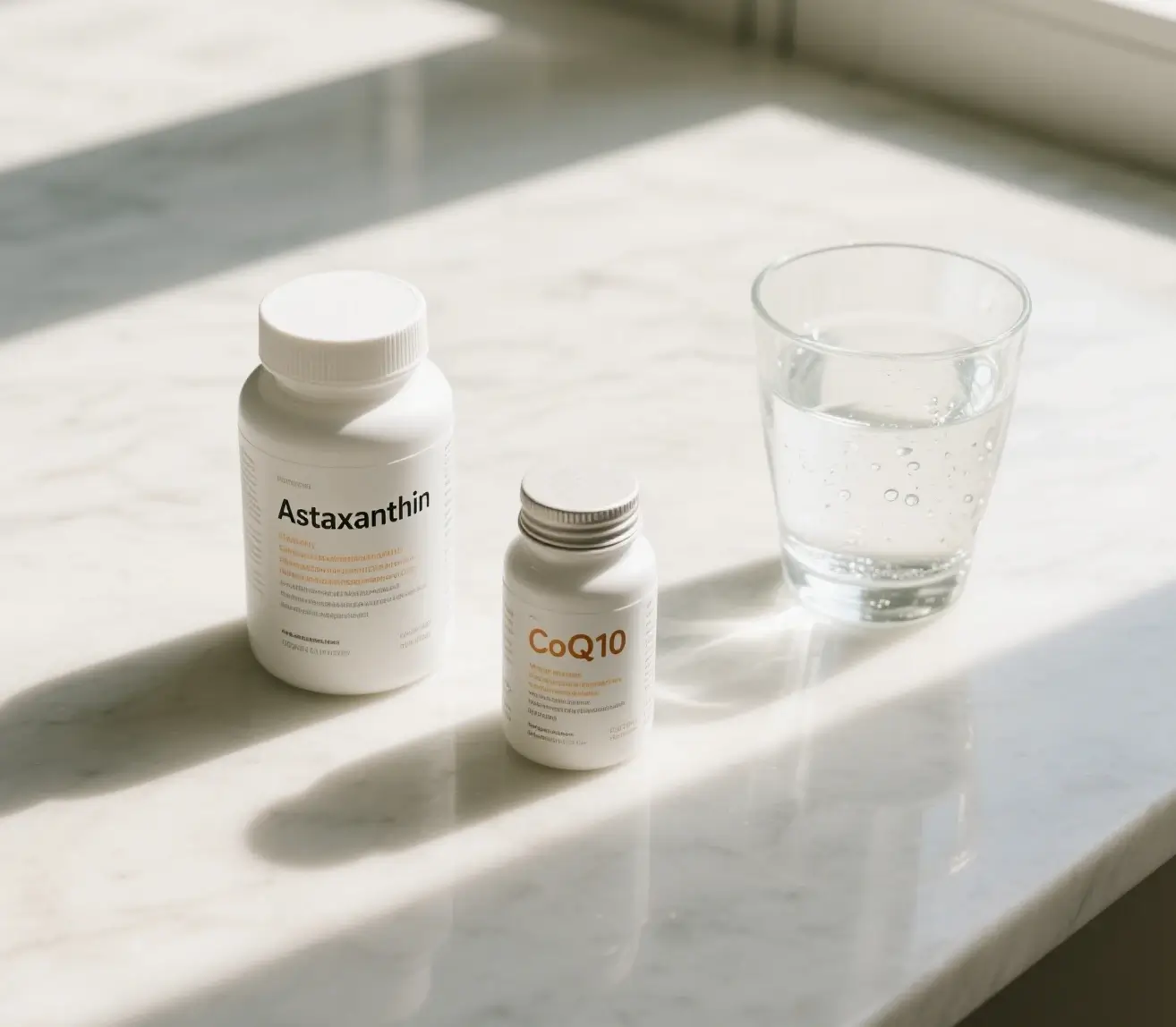
Astaxanthin: A Powerful Natural Antioxidant
Microalgae Haematococcus pluvialis are usually where astaxanthin is found, since it gives off the red carotenoid. You can also find it in lesser amounts in foods such as krill and salmon. The unique part about astaxanthin is that it protects all parts of the cell membrane because of the way it is built. Unlike certain antioxidants, it reaches the entire depth of the cell's membrane, providing strong protection against oxidation of fats.
Many studies indicate that bringing astaxanthin into your diet can help with skin, muscles and eyesight. Like CoQ10, you'll absorb astaxanthin best if it's taken with meals that have fat in them. Many people in wellness circles are drawn to it because it is full of antioxidants and helps your body endure periods of stress or apply high energy.
Understanding CoQ10: Energy and Cellular Function
Your body contains CoQ10 in all of its cells. It is involved in the important process of turning nutrients into ATP, the source of energy that allows cells to work. As well as energizing the body, CoQ10 is also an antioxidant that protects cells against the effects of oxidative stress that can appear due to pollution, poor food choices or old age.
CoQ10 declines naturally in the body as people get older or go through stress-related changes to their systems. That's why some turn to supplementation as a reasonable option. In addition to what it does for cells, CoQ10 is also connected to helping maintain a healthy heart and reducing tiredness. Its ability to combine with fats means it's more effectively used when combined with foods containing fat, so supplements often add oil-based substances to improve absorption.
Complementary Benefits Without Conflict
Your wellness routine can benefit from the combination of CoQ10 and astaxanthin. Robust antioxidant properties of both compounds help strengthen their compatibility. They share the way they are processed and absorbed, so there is no proof that they negatively impact each other's body function.
After all, combining them might give you a fuller method of cell support. While CoQ10 boosts energy production by helping mitochondria, astaxanthin works to protect cells from the oxidative damage that can come from their fatty membranes. Using a dual approach can greatly help people who want to maintain energy, alertness or overall well-being daily.
Practical Guidelines for Safe Use
It's important to plan when and how you consume these supplements. Each serving of CoQ10 and astaxanthin should be consumed with at least some fat-containing foods. For those who notice that CoQ10 gives them a little more energy, having it at the start or middle of the day is best. CoQ10 doses are usually 100–200 mg a day and recommended astaxanthin amounts are 4–12 mg each day.
It's essential to pick quality supplements from known and respected manufacturers. Buy products that give your body the greatest chance to use their benefits and check if they contain any unnecessary additives. There have not been any findings of CoQ10 and astaxanthin interacting in healthy people, though people with pre-existing health conditions or on drugs need to consult a medical professional before starting such supplements.
Conclusion
Using both CoQ10 and astaxanthin safely offers possible benefits for anyone wanting to protect their cells and promote energy. Both activities target areas that help us achieve wellness, without being the same. If you like to stay healthy, either physically or mentally or simply give your well-being a boost, adding this pair can be a good idea. Just as before, being consistent and offering quality content is important. Picking the proper products and using them with a healthy routine can help users enjoy the best results from these two ingredients.
For more information or to inquire about high-quality CoQ10 and astaxanthin products, feel free to contact us at donna@kingsci.com.
References
- López-Lluch, G., & Rodríguez-Aguilera, J. C. (2021). Coenzyme Q10 in aging and chronic health support: Mitochondrial dynamics and antioxidant role. International Journal of Molecular Sciences, 22(4), 1–12. https://doi.org/10.3390/ijms22041742
- Ambati, R. R., Phang, S. M., Ravi, S., & Aswathanarayana, R. G. (2019). Astaxanthin: Sources, extraction, stability, biological activities and its commercial applications-A review. Marine Drugs, 17(9), 1–25. https://doi.org/10.3390/md17090520
- Gul, M. M., et al. (2022). Functional synergy of astaxanthin and CoQ10 on oxidative stress and energy metabolism. Antioxidants, 11(6), 1158. https://doi.org/10.3390/antiox11061158
- Suárez-Rivero, J. M., Villanueva-Paz, M., de la Cruz-Ojeda, P., & Cotán, D. (2020). Coenzyme Q10 and its potential in mitochondria-related support. Pharmaceuticals, 13(4), 752–763. https://doi.org/10.3390/ph13040087
- Yang, D., & Chen, Y. (2023). Nutritional strategies to support antioxidant balance: The role of lipid-soluble compounds. Journal of Nutrition and Metabolic Research, 5(1), 33–41.


