

Naturally occurring carotenoids, lutein and lutein esters, are well known based on their critical role in promoting visual and skin health. Being the fat-soluble pigments which are available in several fruits and vegetables, as well as marigold flowers, the two forms are widely incorporated in dietary supplements and functional foods. Their physiological advantages, as well as their protective nature against oxidant stress, together with ocular support, have been the focus of an enhanced scientific interest over the past few years. The nutraceutical and wellness industries have significant levels of manufacturers and formulators with an interest in the health benefits of lutein and lutein ester ingredients. Gaining an appreciation of the differences in functional health benefits of lutein and lutein esters may be used as part of improved product development and ingredient positioning.
What Are Lutein and Lutein Esters?
Lutein is one of the non-provitamin A carotenoids, which is concentrated in the macula of the human eye. The fatty acid-bound lutein, known as lutein esters, is usually obtained through marigold petals. When ingested, lutein esters undergo hydrolysis by gastrointestinal enzymes to obtain free lutein that is then taken up. That renders lutein esters a stable and bioavailable substance, especially when used in formulations that involve softgels and oil-based delivery mechanisms. Esterified form, typically, finds more utility in an industrial scale because it has a long shelf life, is more stable during the processing procedures, and contains more active substances.
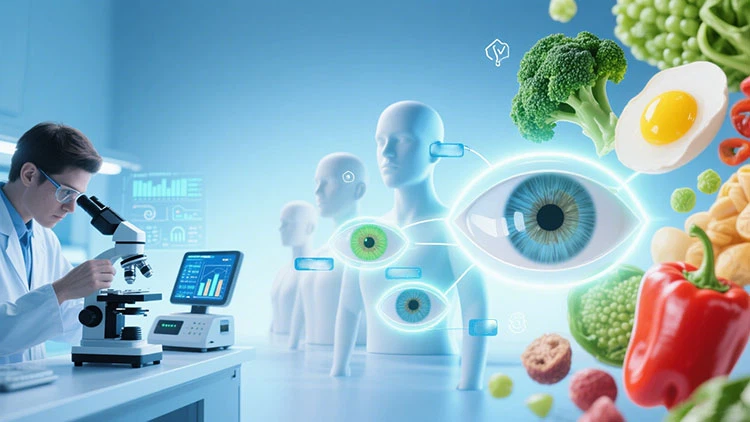
Health Benefits of Lutein and Lutein Esters
1. Supports Visual Function and Macular Health
A large amount of Lutein is found in the macular pigment in the eyes of human beings, and it plays a crucial role in screening the high-energy blue light and ensuring the clarity of vision. A daily consumption of lutein and lutein esters has been linked to improved contrast sensitivity and a lower amount of visual fatigue. The compounds would build in the retina and the lens, promoting long-term eye health through reducing oxidative stress as a result of light exposure and other environmental factors.
2. Promotes Skin Protection and Hydration
New clinical evidence has shown that Lutein, along with its esters, helps in keeping the skin hydrated and elastic. Their properties to kill off free radicals formed under the influence of ultraviolet (UV) shine do good in preventing the skin of the oral cavity from becoming damaged, making them handy in an oral beauty and nutricosmetic cosmetic solution. Due to the rising demand of consumers for beauty-from-within solutions, lutein esters are a useful and scientifically supported way of delivering such ingredients in diet products, as well as products related to skin care.
3. Acts as a Potent Antioxidant
Lutein and lutein esters both have powerful antioxidant properties, which prevent oxidative destruction in different tissues. This does not only take place on the eye or skin level, but this extends to the broad protection of the cell. They are important in the formulation that aims to maintain metabolic equilibrium and overall well-being due to their capability to extract reactive oxygen species (ROS).
4. Supports Cognitive Health and Processing Speed
Although lutein is most well known to be beneficial to the eyes and the skin, there have also been studies showing that it should also be useful to the brain. Lutein is the carotenoid among the campestbarn few that serves to cross the blood-brain barrier and embark on neural tissue. Early indications are that it can aid in keeping the mind performing all functions well, especially in sustaining memory, mental sharpness, and speed of working in different age groups.
5. Better Stability and Bioavailability with Ester Form
Lutein esters have distinguished processing and storage benefits. The ester form of lutein is more resistant to oxidative and thermal, and light breakdown compared to free lutein, so it is ideal to use where a long shelf life is required, such as in fortified beverages, oils, and fortified supplements in capsules. Digestive enzymes afterwards increase the ingested lutein esters to free lutein in an efficient manner with a comparable or even better bioavailability in a normal diet.
6. Ideal for Functional Food and Supplement Applications
The popularity of lutein esters formulations is rising in the supplement, beverage, and functional food sectors as there is an increasing demand in the world markets for plant-based and natural ingredients. Their compatibility with oil-based systems and softgels means they are a favoured solution in the manufacture of high-dose actives in small volumes or in shelf-stable forms. Also, lutein esters are applicable in eye health combinations, multi-carotenoid mixtures, and oral cosmetic solutions without affecting taste or solubility.
Conclusion
Lutein and lutein esters have an adaptable range of health benefits beyond the conventional eye fitness. They are useful functional ingredients in the contemporary nutraceutical and functional foods industries due to their antioxidant activity, supporting the health of the skin and cognitive well-being, and because they are process-friendly. Lutein esters will make a difference to manufacturers aspiring to produce innovative and differentiator products in wellness products due to the interest of consumers in natural and scientifically supported ingredients in the market.
Are you interested in our products? Just leave a message on this page or contact us directly to get free samples and more professional support!
FAQ
Q1: What is the difference between lutein and lutein esters?
The free form is lutein, and lutein esters are the fatty acid-bound form of lutein that is used in better-stabilized supplements. Lutein esters are released into the body to become free lutein.
Q2: Is lutein ester more bioavailable than free lutein?
Enzymatically converted lutein esters have a high absorption rate, and bioavailability is frequently compared or even superior as compared to lutein in the case of co-ingestion with dietary fats.
Q3: Can lutein esters be used in beverages?
Yes, lutein esters can be turned into the use of functional beverages, particularly the ones that focus on eye health improvement or skin moisture, with proper emulsification or oil-based systems.
Q4: Are lutein and lutein esters suitable for vegan products?
Lutein esters, assuming they are extracted on the basis of marigold flowers and produced without the animal-based excipient compounds, can comply with vegan and vegetarian standards of formulation.
Q5: What is the recommended dosage for lutein esters in supplements?
Conventional preparations include 10 to 20 mg daily of lutein or ester equivalent per day, depending upon the desired health claim and various local guidelines.
References
1. Johnson, E. J. (2014). Role of lutein and zeaxanthin in visual and cognitive function throughout the lifespan. Nutrition Reviews, 72(9), 605–612.
2. Landrum, J. T., & Bone, R. A. (2019). Lutein, zeaxanthin, and the macular pigment. Archives of Biochemistry and Biophysics, 633, 34–40.
3. Palumbo, A. et al. (2021). Carotenoids and skin health: A review. Antioxidants, 10(5), 742.
4. Chung, H. Y. et al. (2020). Lutein's role in cognitive function: A systematic review. Journal of Nutrition & Intermediary Metabolism, 20, 100130.
5. EFSA Panel on Dietetic Products, Nutrition and Allergies (2018). Scientific opinion on the safety of lutein esters as a food supplement. EFSA Journal, 16(6), e05378.


